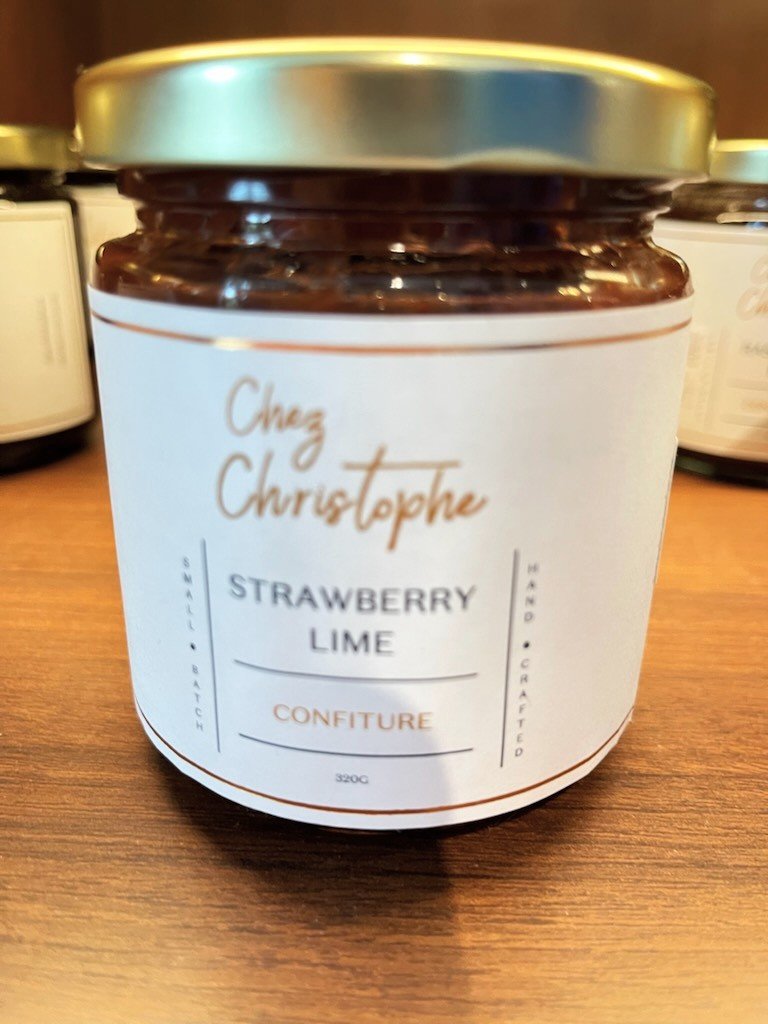
Strawberry Lime Jam with Vanilla
Strawberry lime jam. Sweet, intensely fruity, and brightened with lime zest, lime juice and vanilla. A small-batch preserve inspired by the jams made by professional pastry chefs and chocolatiers.
🔪 Prep:
10 min
⏲️ Macerate:
3 hrs (or overnight)
🫕Cook:
~20 min
🫙4
half-pint jars
💰Cost:
~$1.80 – 2.25 CAD/USD per jar
This strawberry lime jam recipe combines ripe strawberries with fresh lime zest, lime juice and vanilla for a bright, balanced artisanal-style preserve. The lime lifts the natural sweetness of the berries, while vanilla adds depth without overpowering the fruit. It’s a soft, spoonable jam made for toast, pastries, scones and desserts.
Why You’ll Love This Strawberry Lime Jam
- Strawberry flavor stays front and center.
- Fresh lime gives the jam brightness without making it overly citrusy.
- Vanilla adds depth and rounds out the fruit.
- Soft, spoonable texture makes it especially good with pastries and desserts.
- A small batch lets you preserve strawberries without committing to a huge pot of jam.
- Includes water bath canning instructions for a pantry-ready preserve.
The Pastry Chef Who Inspired This Jam
We first tasted a strawberry lime jam at a local pastry boutique run by a professionally trained pastry chef. And by professionally trained, we don’t mean someone who simply knows how to make a good turnover. We’re talking about the kind of culinary professional who spends years learning the craft – the technique, ingredients, fermentation, chocolate, pastry and all the small details that separate very good baking from exceptional pastry.
This is someone who notices what kind of butter goes into a croissant and understands that butter from one country can behave differently from butter produced somewhere else. That level of attention to ingredients and technique carries over into everything that comes out of the kitchen; including the jam…You get the point.
Long story short, that jam was unmistakably strawberry jam, but somehow it didn’t taste like the usual strawberry jam. Yet, it wasn’t trying to be complicated. The strawberries were the star, the texture was soft, and there was something else in the background that made us keep going back for another taste.
Lime.
And vanilla.
The combination sounds simple enough, but the balance was what caught our attention. The lime didn’t turn the jam into a citrus preserve. It simply made the strawberries taste …fresher, The vanilla was just as restrained – we had to check the label to figure out what it was.
And that was the jam we wanted to recreate. After a few batches, we arrived at our own version of that pastry-shop strawberry lime jam. Hope you will enjoy it as much as we do.
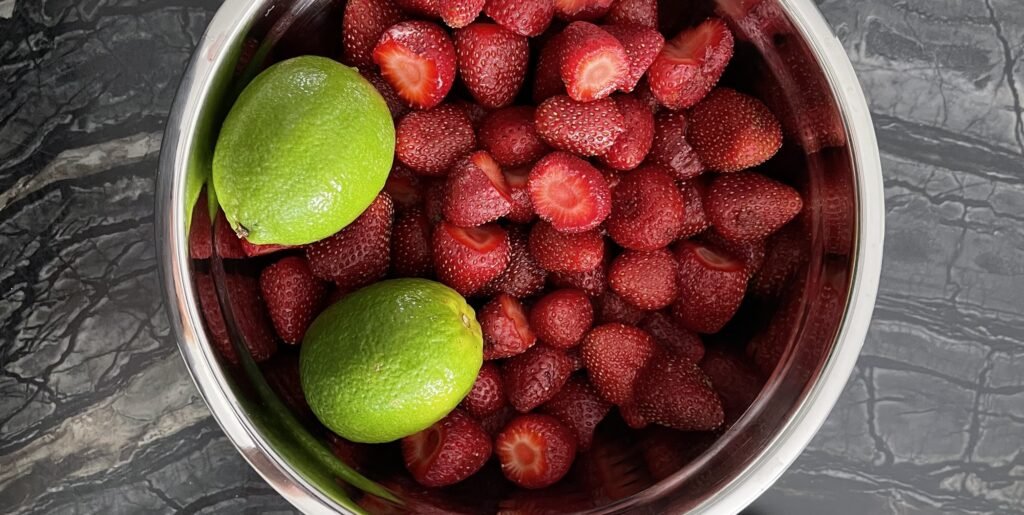
Strawberry Lime Jam: Key Ingredients
Strawberries
Use strawberries that taste like strawberries. For this jam, that means ripe, sweet, juicy berries picked at the height of strawberry season.
This is not the jam to make with watery, flavorless strawberries from the grocery store in the middle of winter. The strawberries are the star here, so their natural flavor needs to be good enough to stand on its own.
Limes
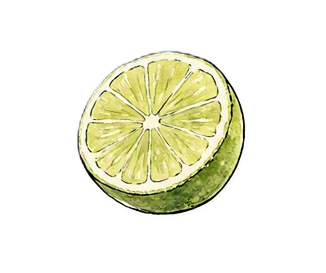
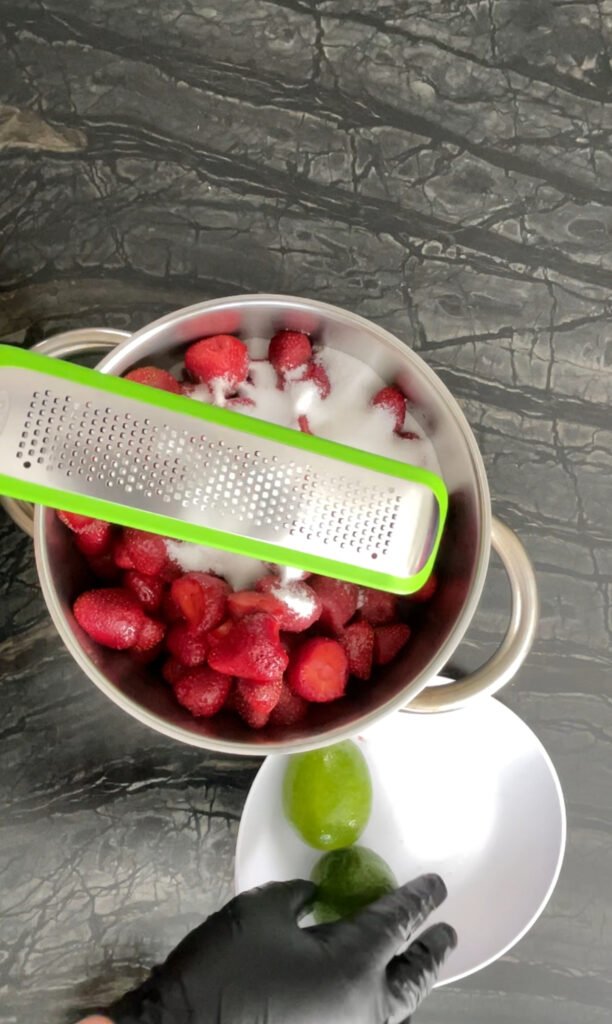
Use fresh limes for both the juice and zest. The juice gives the jam a bright citrus note, while the zest adds concentrated lime aroma.
💡Citrus Note: Use 2 limes for a subtle lime flavor or 3 if you want to taste citrus a bit more.

Vanilla
Vanilla is the ingredient that makes this strawberry lime jam taste more complete. Funny enough, we couldn’t tell the jam had vanilla in it when we first tasted it. That’s how subtle it is. You don’t taste “vanilla”; you just notice that the strawberry and lime somehow taste more like…strawberry and lime.
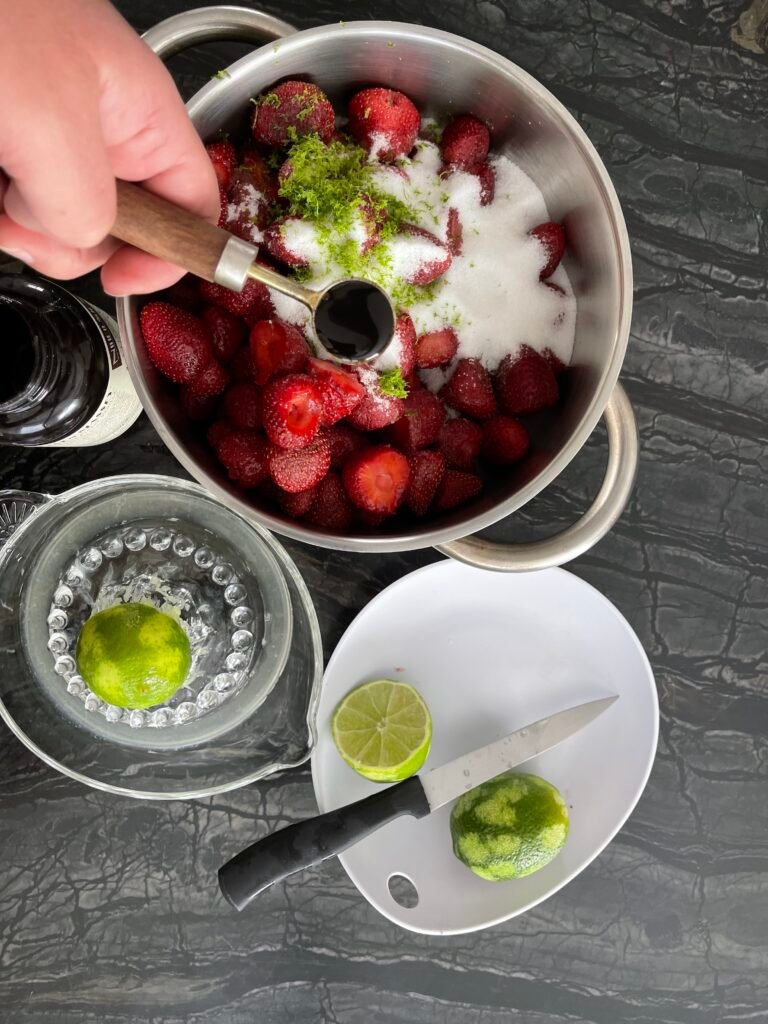
💡Tip: Use vanilla paste or vanilla extract. Two teaspoons is enough to make a difference without having it compete with the strawberries.
Granulated Sugar
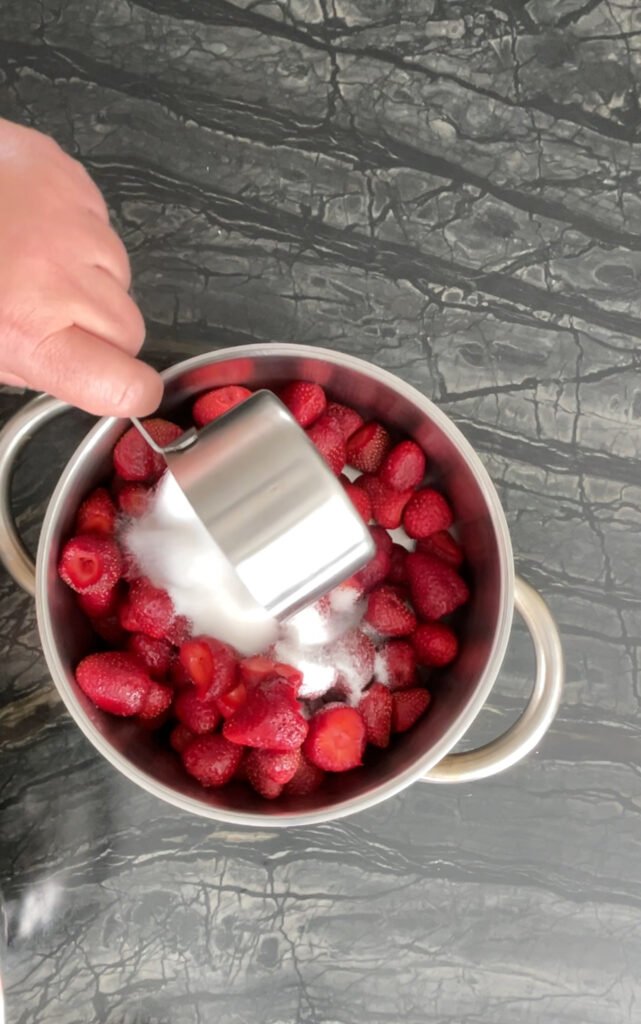
Sugar has three jobs in this recipe: it sweetens the jam, it helps draw juice out during the initial maceration stage, and it works alongside the pectin and fruit reduction, helping this jam reach a reliable set. This recipe uses meaningfully less sugar than an old-fashioned jams usually call for, precisely because it gets some help from added pectin rather than having to rely on sugar concentration alone.
Substitution: You can reduce the sugar content further but you will have rely on a different kind of pectin to set this jam. Namely, look for low-methoxyl pectin, such as Pomona’s to set your jam.
Regular Powdered Pectin
We’re using only 1½ teaspoons of powdered pectin because we’re after a soft, spoonable strawberry jam, not a firm, sliceable preserve. The pectin gives the jam enough structure to hold onto the fruit while keeping that soft French confiture-style texture.
If seeing “pectin” on an ingredient label makes you worry about synthetic additives, take a deep breath – you are totally in the clear!
🍎🍊Powdered pectin is 100% natural fruit powder.
At a microscopic level, pectin is a soluble fiber that lives inside the cell walls of plants and fruits, acting like nature’s structural glue. The commercial powdered pectin you buy isn’t created in a chemical lab; it’s actually cleanly upcycled directly from real fruit! It’s extracted by gently simmering down citrus peels and apple pomace left over from the juice industry.
Beyond its magical ability to gel and thicken preserves, pectin is also a fantastic prebiotic that helps feed the good bacteria in your gut. 🧡 We love using high-quality powdered pectin because it lets us cut the sugar in our jams drastically without sacrificing that thick, beautiful texture or relying on weird artificial additives.
A Quick Note on Liquid Pectin: We stick strictly to powdered pectin! Commercial liquid versions often contain added chemical shelf-stabilizers and preservatives (like sodium benzoate) that we prefer to skip in our homemade jams and jellies.

Pantry Master Note
Strawberries can become cloying once they’re cooked down with sugar. Lime cuts through the sweetness and adds a fresh, tart note, while vanilla softens the lime and makes the strawberry flavor taste fuller. That’s why this combination works so well.
What Does It Cost to Make This Jam
These estimates reflect typical U-pick strawberry prices in Canada and the United States, where many home canners buy fresh berries by the pound or flat. Pantry ingredients are based on current retail prices.
| Ingredient | USD | CAD |
|---|---|---|
| Strawberries (1,022 g / 2.25 lb) | $5.63–6.75 | $5.63–6.75 |
| Granulated sugar (2 cups / 400 g) | $0.70–0.80 | $0.50–0.60 |
| Limes (2–3) | $0.67–1.00 | $0.67–1.00 |
| Powdered fruit pectin (1½ tsp) | $0.20–0.30 | $0.20–0.25 |
| Vanilla extract (2 tsp) | $0.20–0.30 | $0.30–0.40 |
| Total batch (4 half-pint jars) | $7.40–9.15 | $7.30–8.95 |
Cost per Jar: ~$1.85–2.30 USD /
$1.80–2.25 CAD
That’s a pretty good price for a fancy café-style strawberry lime jam!
As with any homemade strawberry jam, your costs can drop considerably if you grow your own strawberries or buy berries by the flat directly from a local grower. That’s when a batch of homemade jam like this starts to look less like an expensive specialty preserve and more like one of the best uses for a summer afternoon.
Common Strawberry Jam Mistakes (And How to Avoid Them)
❌ Rushing the Maceration: Don’t skip the maceration or cut it short if you can help it. Three hours is the minimum; overnight is better. The longer the strawberries sit with sugar, the more juice they release before cooking begins. If your kitchen is very warm, macerate the covered pot in the fridge.
❌ Using Bland, Watery Strawberries: This recipe can’t make mediocre strawberries taste great. Use ripe, sweet, juicy berries that actually taste like strawberries. U-pick or good local strawberries from the farmers market are ideal; watery winter berries are not.
❌ Blending Until Smooth: Don’t turn the jam into a purée. Break down some of the berries with an immersion blender or potato masher, but leave pieces of strawberry behind. We’re going for a French-style confiture here, not Smucker’s jam.
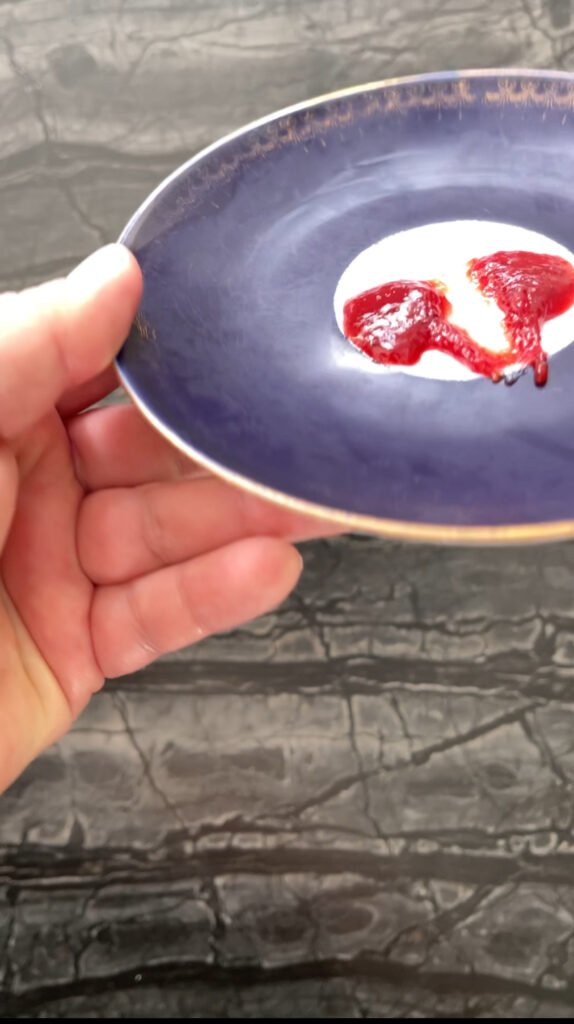
❌ Skipping the Cold-Plate Test: Don’t rely only on cooking time to tell you when the jam is ready. Strawberries vary in water content. Test the jam on a cold plate, and if it’s still too loose, cook for another 5–7 minutes and test again.
Strawberry Lime Jam Canning Recipe
Canning Methods
This is a high-acid jam preserve. Out canning table follows standard NCHFP’s processing times for jams and jellies.
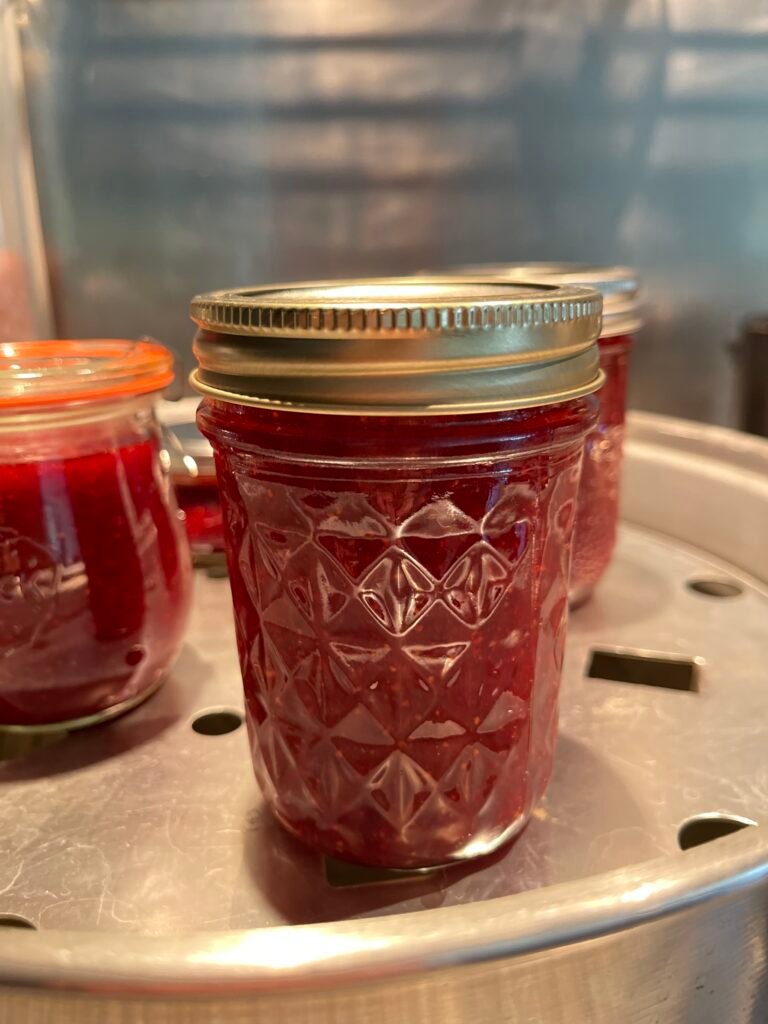
Both water bath canning and atmospheric steam canning use identical processing times for this recipe. We typically use an atmospheric steam canner for speed and lower water use, but a water bath canner works equally well and is the most widely used method in home preserving.
Processing table – Steam Canner & Water Bath
Jar size: Half-pint or Pint (8 oz / ~250 mL or 16 oz / ~500 mL)
Pack style: Hot
Applies to: Atmospheric steam canner AND water bath canner (same processing times)
| Altitude | Processing time |
| 0–1,000 ft | 5 min |
| 1,001–6,000 ft | 10 min |
| Above 6,000 ft | 15 min |
Not sure which elevation band is yours? Our Canning Altitude Calculator will give you the answer in a couple of seconds.
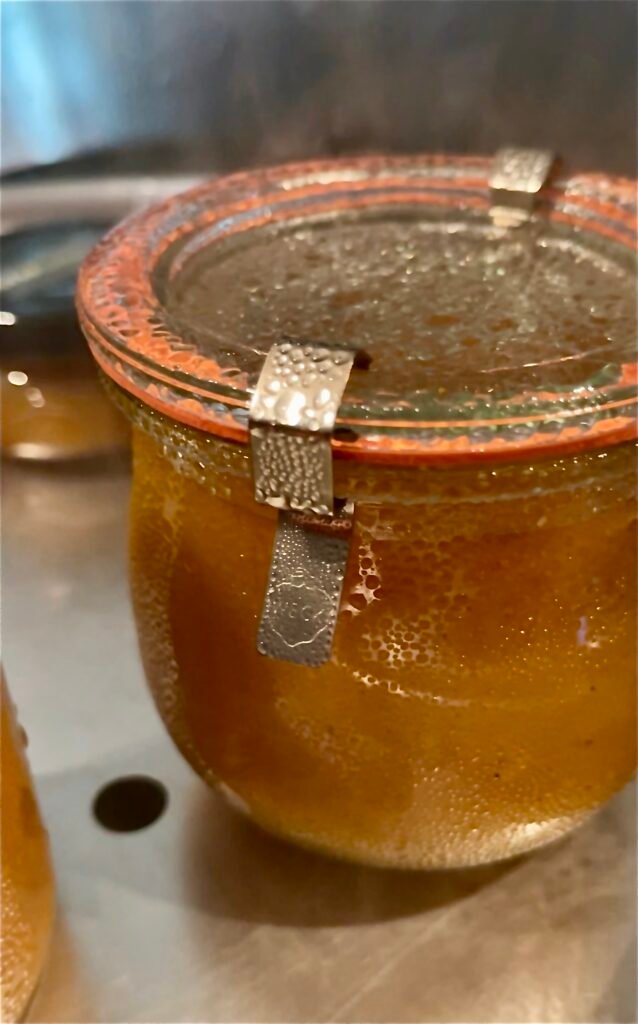
Atmospheric steam canning is newer to the home canning world. Nevertheless, it has been validated for high-acid preserves like this. It uses less water, heats up faster, and doesn’t require jars to be submerged.
- Prepare your atmospheric steam canner according to the manufacturer’s instructions. Typically, fill the base with the recommended amount of water and preheat until steam begins to vent.
- Place filled jars on the canner rack. Cover with the dome lid.
- Start timing once a steady column of steam has been venting continuously.
- When processing time is complete, turn off heat.
- Remove jars straight up with a jar lifter. Most important, do not tilt. Place on a towel-lined counter or cutting board.
New to steam canning?
Ready to ditch water bath canners?
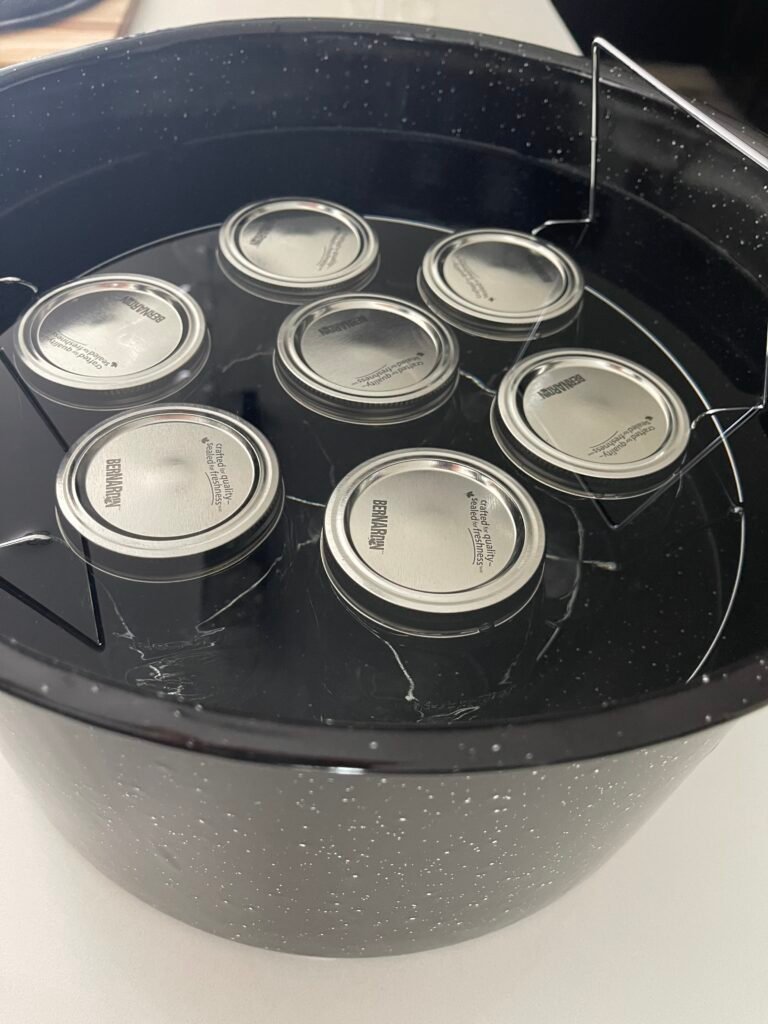
Water Bath Canning
Undeniably, water bath canning is the most widely used method for high-acid preserves and the one most canners learn first. If you already own a water bath canner, this is a perfectly sound way to process this jam.
- Place filled jars on the canner rack and lower it into boiling water. Always remember, water must cover the lids by at least 1 inch.
- Start timing once you reach a full rolling boil. Processing times are identical to the table above.
- When processing is complete, turn off heat and let jars rest in the water for 5 minutes before removing them. This step helps prevent siphoning.
- Lastly, remove jars straight up with a jar lifter.
Looking to understand how the two methods compare?

Prefer Open Kettle?
Open kettle canning is not a USDA-recommended method. For this recipe, we used atmospheric steam canning to get consistent, shelf-stable results. However, open kettle remains a long-established traditional method that some experienced canners still use for high-acid preserves.
We don’t dismiss traditional methods. For those who choose to use open kettle, we’ve put together a guide that explains how it is practiced, along with the key steps aimed at reducing common risks within that traditional approach.
After sealing (all methods)
- Do not touch, adjust bands, or press lids for 12–24 hours.
- After cooling, check seals: press the center of each lid. If it doesn’t flex, the seal is good. Any jar that didn’t seal goes in the fridge → use within 3 weeks.
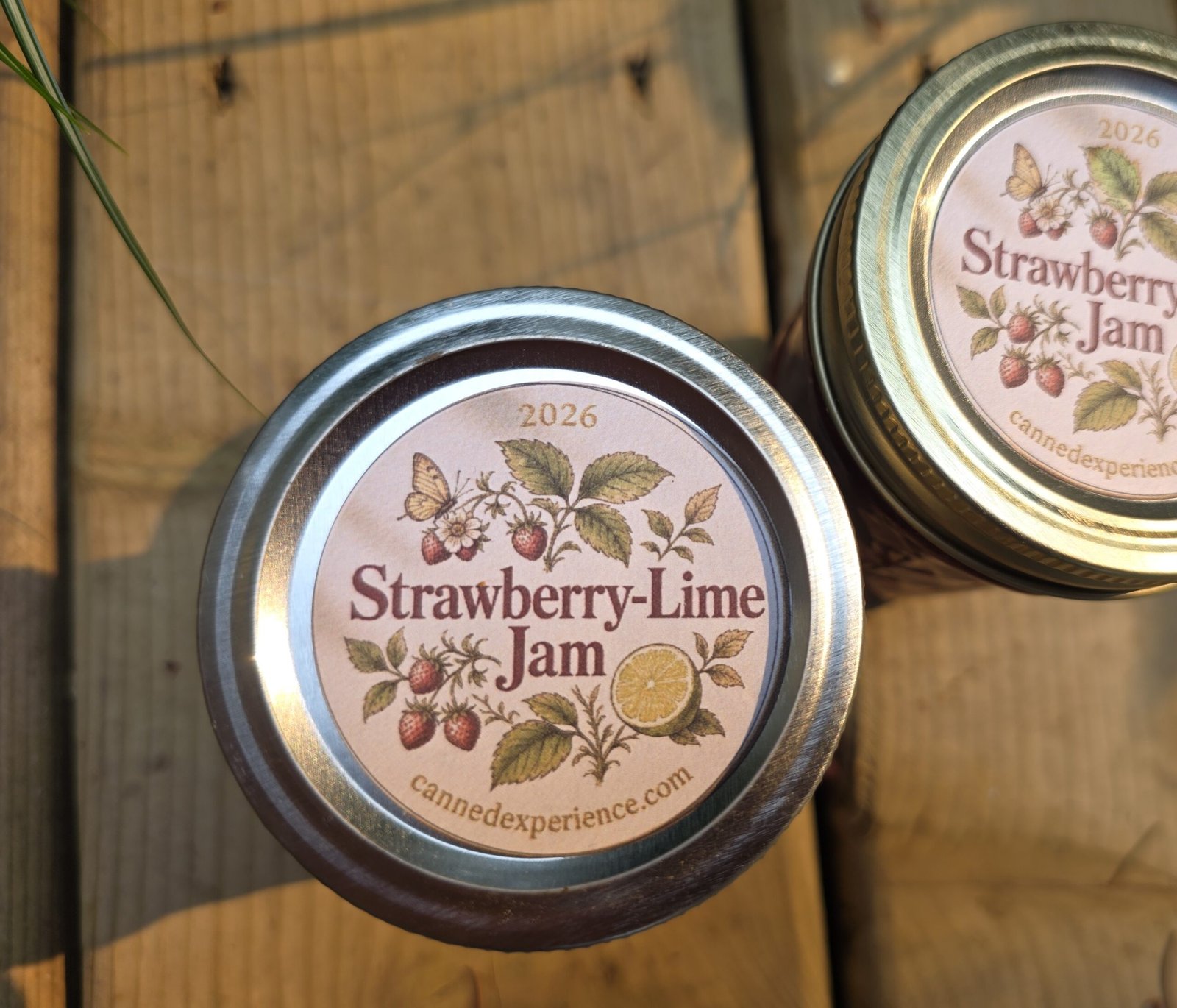
- Remove bands for storage (they trap moisture and can mask a broken seal over time). Label with contents and date.
- Store in a cool, dark place. Peak quality for 12–18 months.
 Check your processing time/ canning pressure if you’re above 1,000 feet↗️
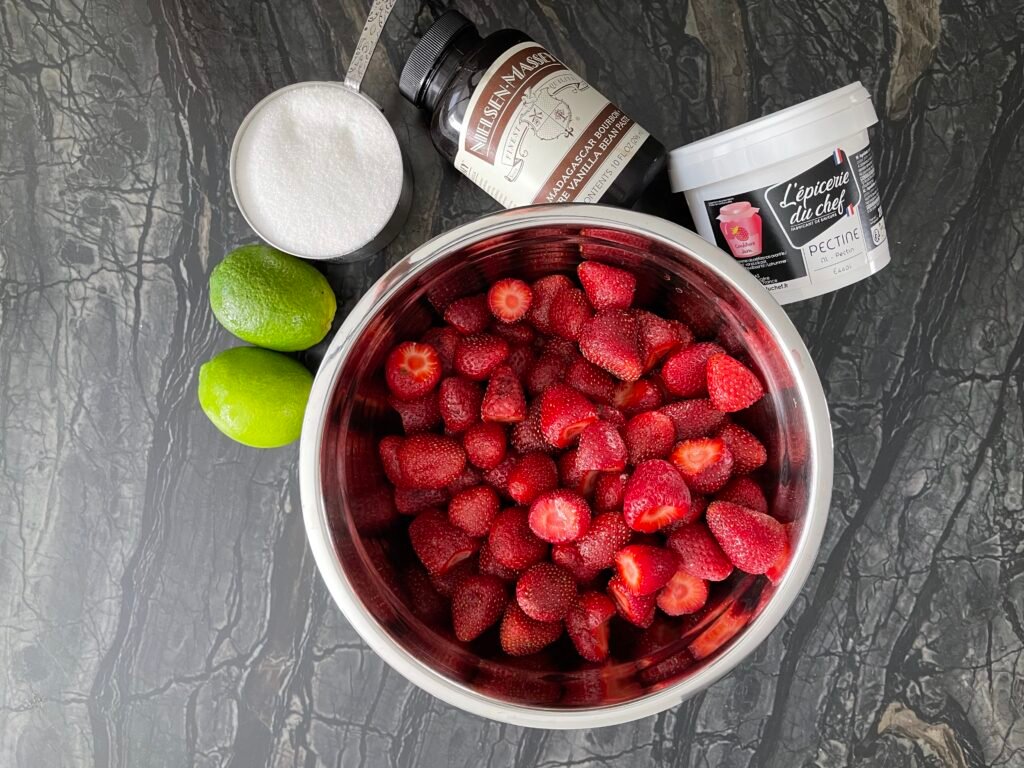
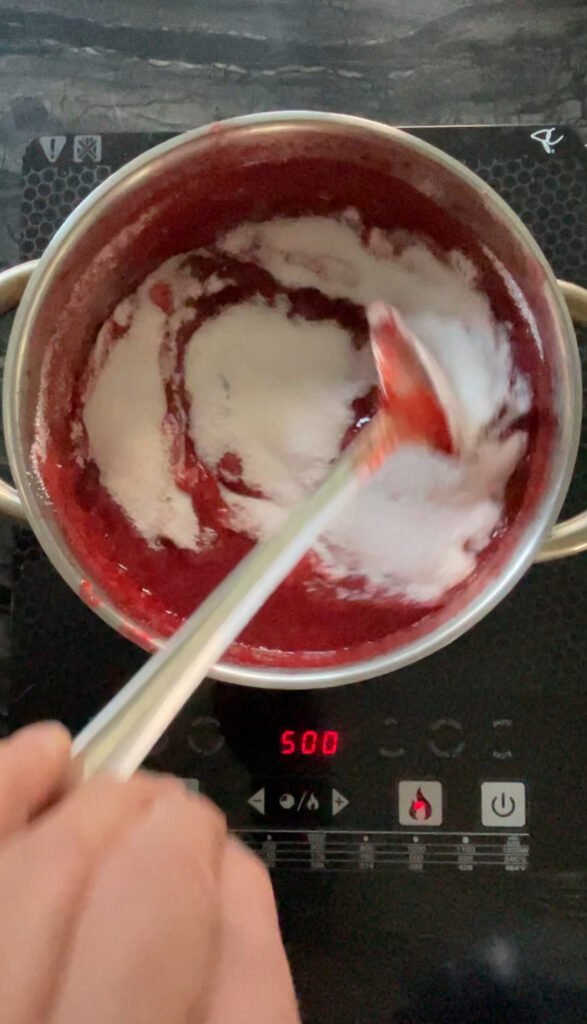
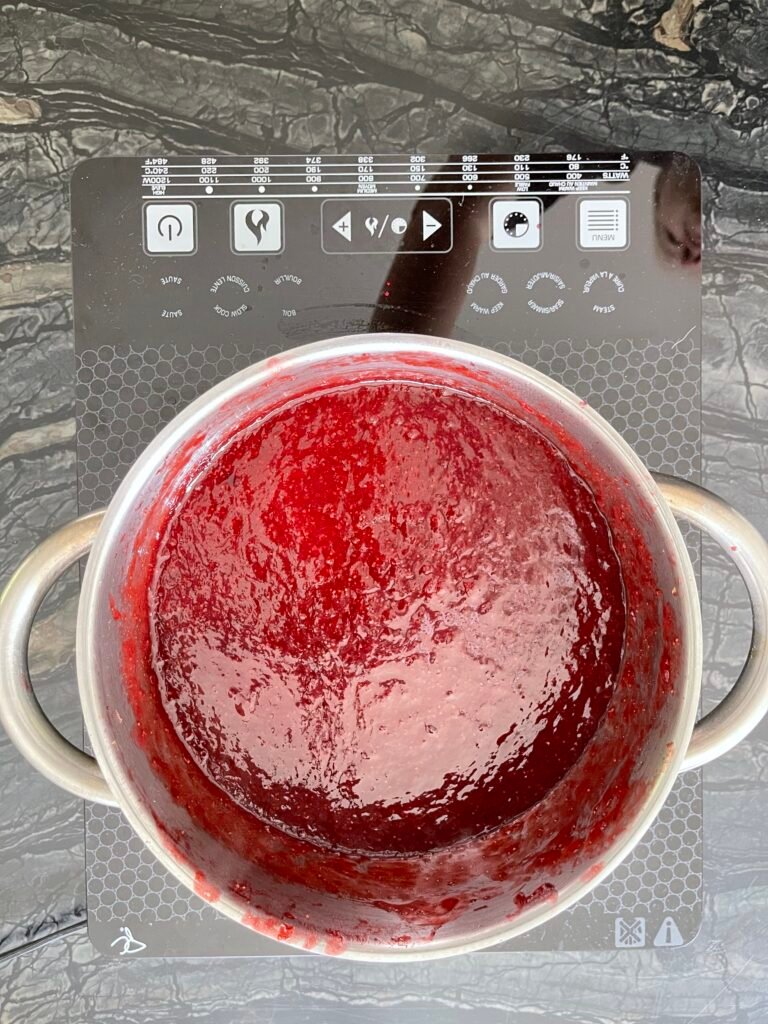
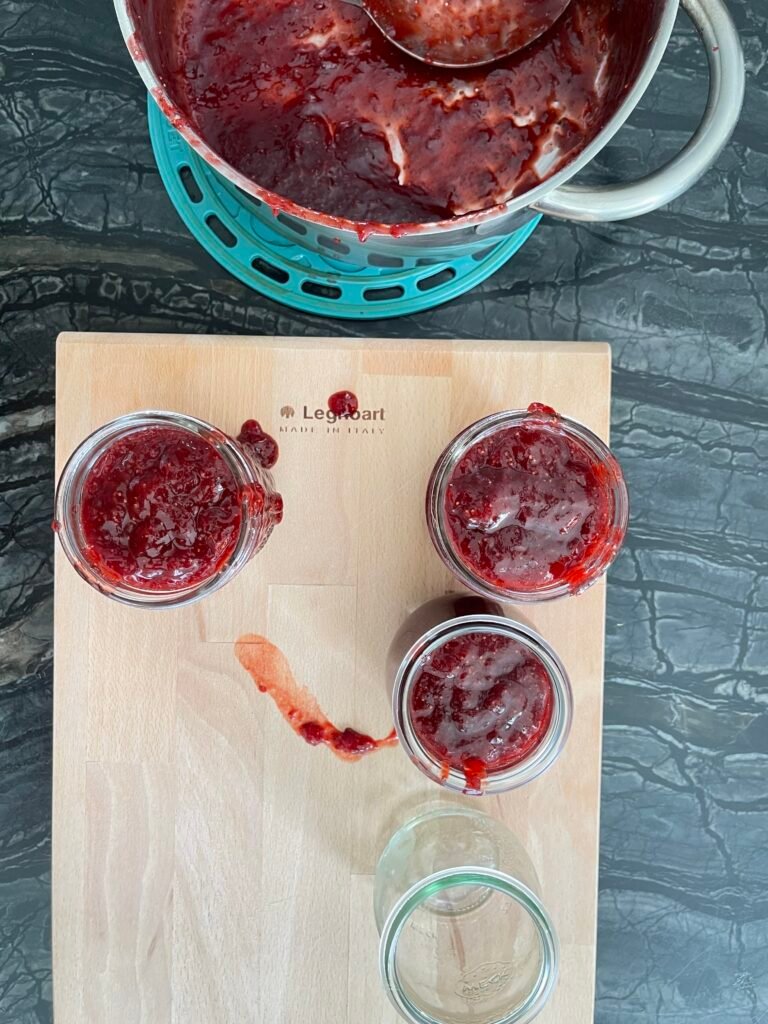
How to Make Strawberry Lime Jam – Step-by-Step Photo Gallery
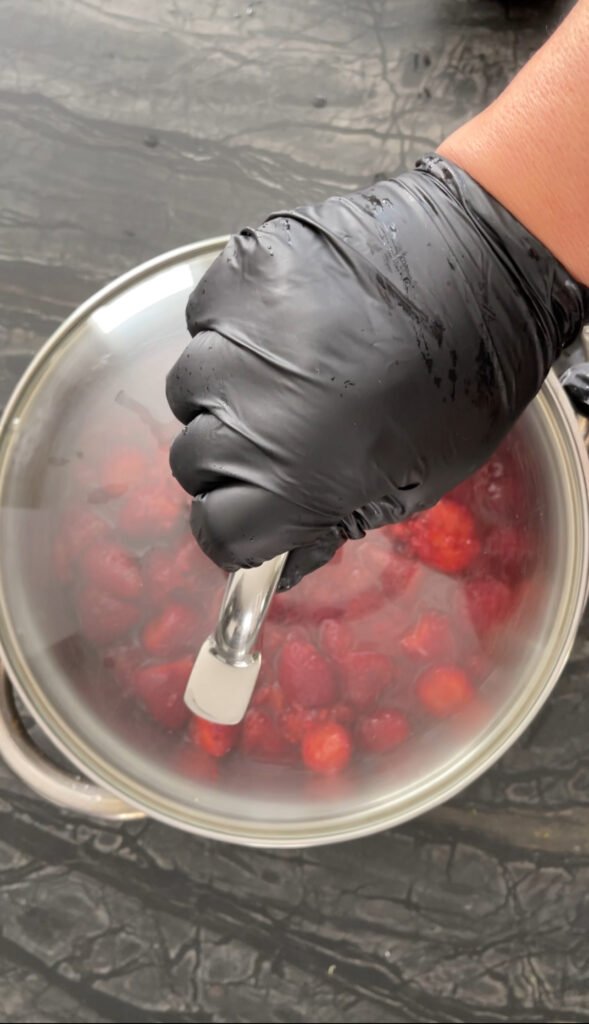
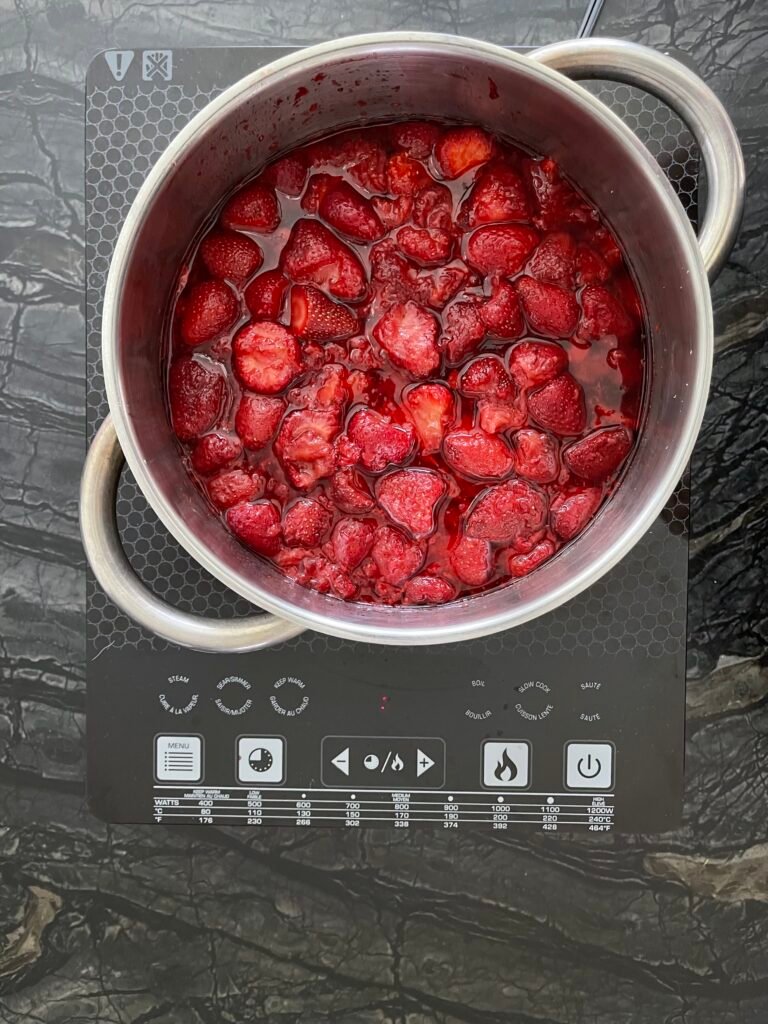
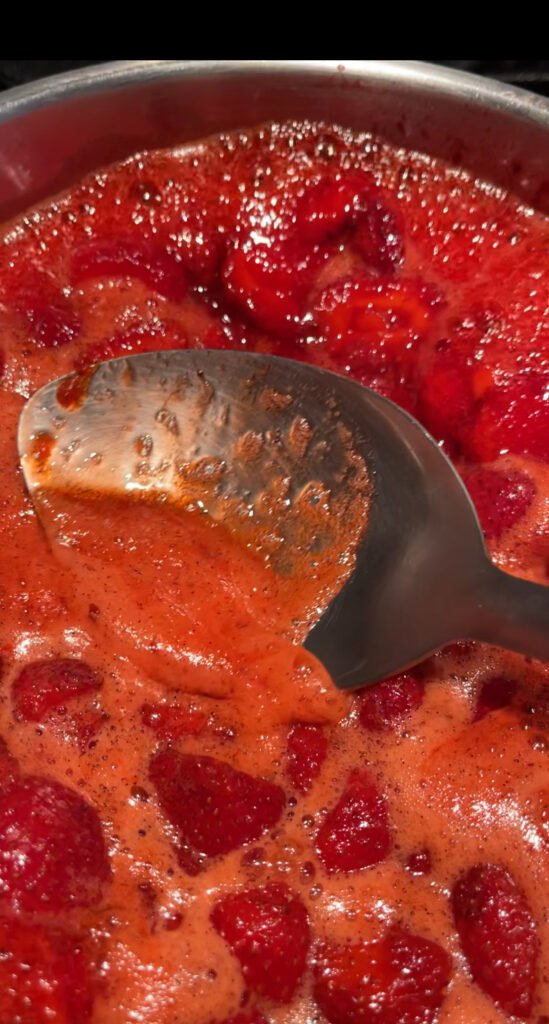
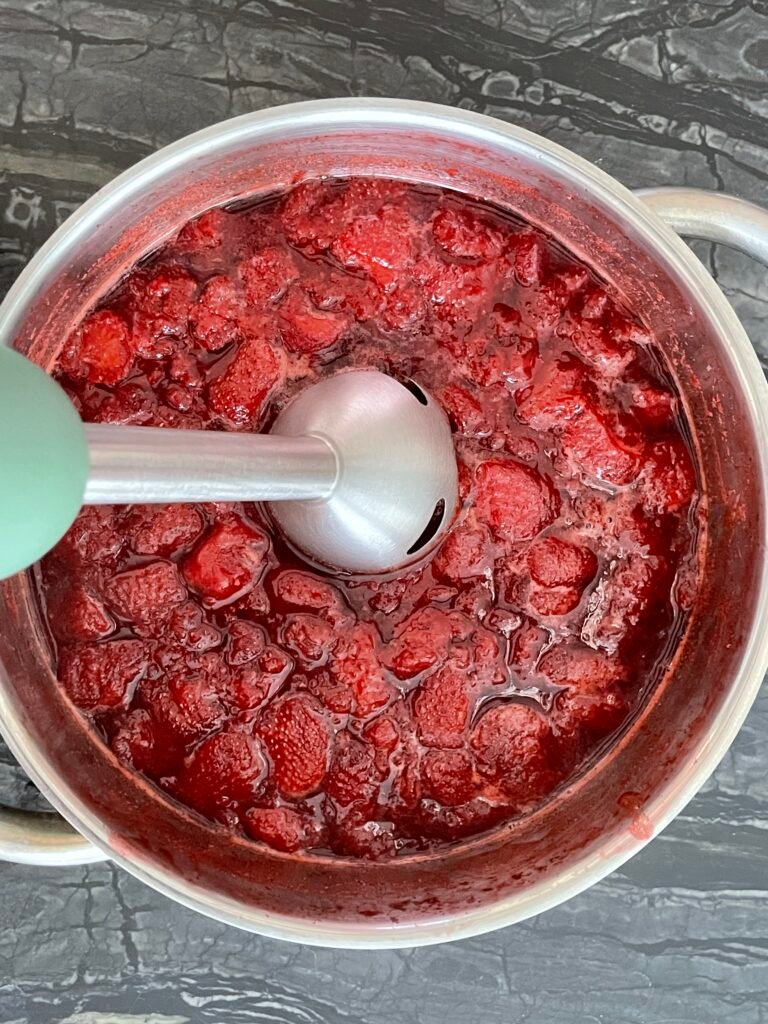
How to Use Strawberry Lime Jam
Make strawberry shortcake. Seriously! This strawberry lime jam was practically made for it.
The strawberries in this jam are concentrated and sweet, the lime keeps the fruit from tasting heavy, and the vanilla gives it a warm, soft flavor. Spoon the jam over a split biscuit or shortcake, add a generous cloud of lightly sweetened whipped cream, and let the jam run into all that buttery goodness.
Strawberry trifle is another excellent use. Layer cubes of sponge cake with vanilla custard, whipped cream, and a spoonful of strawberry lime jam.
Looking for more ways to use strawberry jam? Try it with:
- Scones and biscuits – the soft, spoonable jam is a natural match for buttery pastry.
- Buttered toast or brioche – especially good with a little salted butter.
- Plain Greek yogurt – swirl in a spoonful for an easy strawberry-lime breakfast.
- Cheesecake – spoon it over the top as a quick strawberry topping.
- Pancakes and waffles — warm the jam slightly so it melts into the edges.
- Vanilla ice cream – the cold creaminess makes the strawberry and lime taste even brighter.
Of all these strawberry jam uses, though, strawberry shortcake is the one we’d make first. The spongy cake, whipped cream, strawberry, lime, and vanilla all end up in the same bite. That’s exactly where this jam shines!
FAQ
We haven’t tested this recipe after freezing and thawing, so we don’t recommend freezing this particular formula. If you’d like to make a freezer version, use a pectin specifically labeled for freezer jam and follow the manufacturer’s recipe and proportions rather than substituting it into this recipe.
Yes, you can double the recipe if you have a pot large enough to give the fruit plenty of room to cook and evaporate properly. Don’t crowd the pot. We don’t recommend making more than a double batch at once because a larger volume changes how quickly the jam cooks down and reaches its final set. If you’re unsure whether your pot is large enough, make two separate batches rather than tripling or quadrupling the recipe.
That’s intentional. This is a French-style jam, so we’re aiming for a soft, spoonable texture rather than a stiff, commercial-style jam. We use a small amount of powdered pectin to give the preserve enough structure to hold the fruit while keeping that loose, spreadable texture that is typical of fine French jams.
No. The USDA and National Center for Home Food Preservation (NCHFP) do not individually test third-party recipes. NCHFP provides tested recipes, canning principles, and processing guidance for categories of foods. This strawberry lime jam recipe is our own formula, developed using that published guidance rather than being an NCHFP-tested recipe. For processing, we follow the NCHFP’s recommended time framework for high-acid jams and jellies with added pectin, adjusted for altitude.
Related Jam Recipes
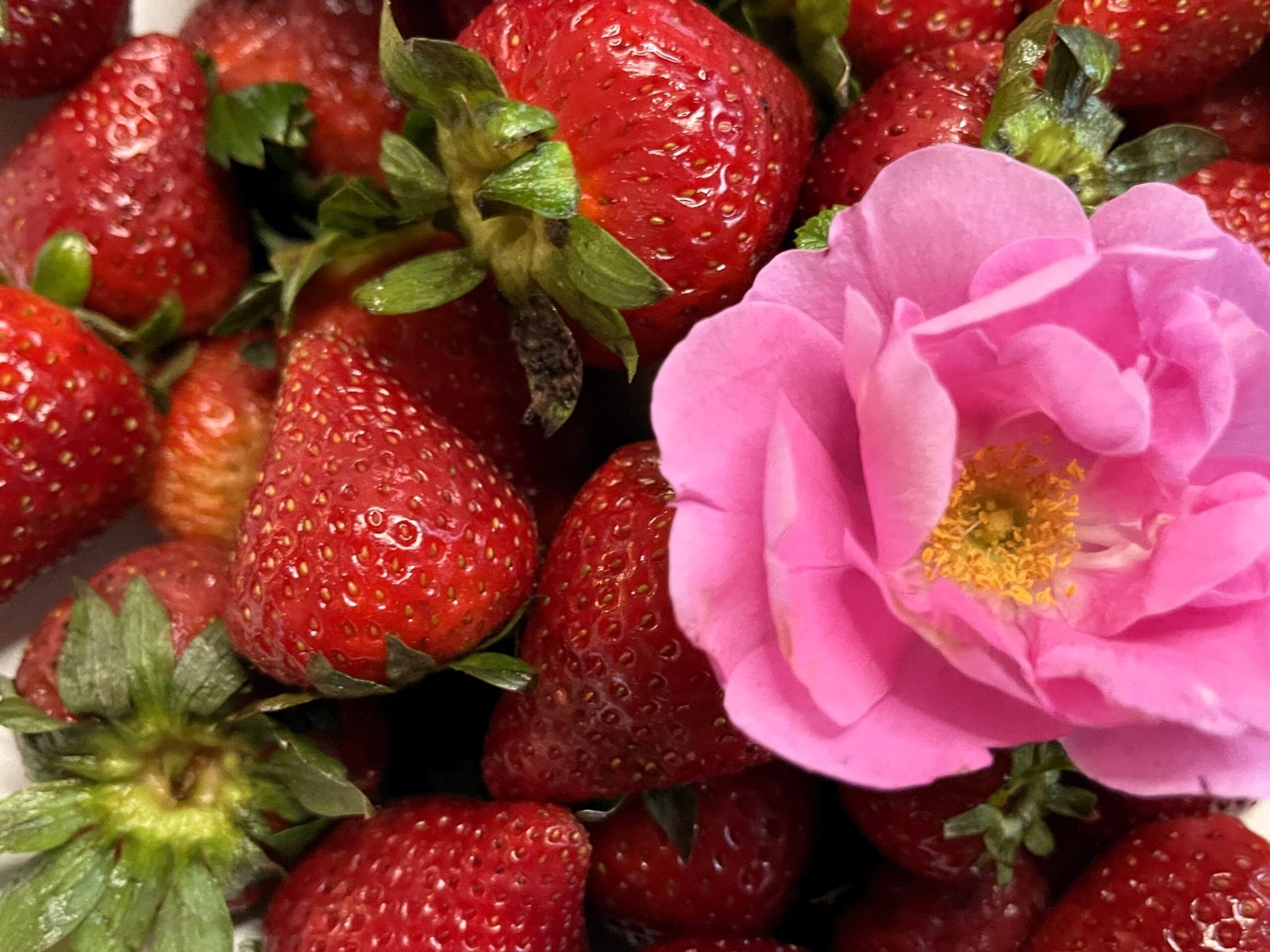
If you love this strawberry lime jam, try our French-style strawberry confiture next.

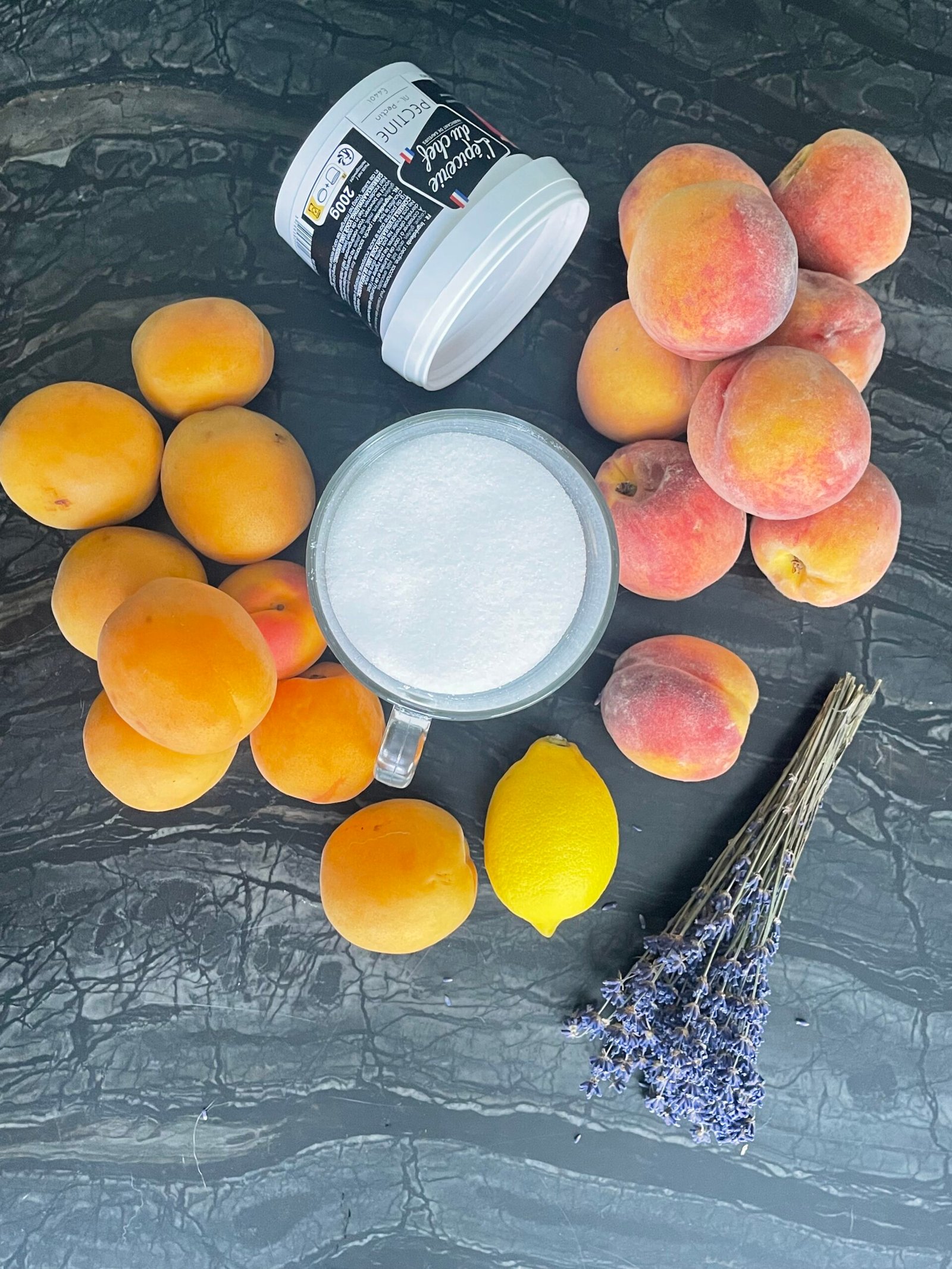
Peach Apricot Jam with Lavender
If the soft, spoonable texture and French-style confiture approach appeal to you, try our peach apricot jam.
Join the pantry
Fresh recipes when the season calls for them. Preservation guides you can trust – every method, traditional to modern. Ideas for turning your pantry into weeknight dinners. Seasonal alerts that help you preserve more for less. Honest reviews of the tools that matter.
Tried this preserve? We’d love to hear how it turned out!