Weck Jars Review: Beautiful, Reusable but Not that Simple
WECK jars aren’t just prettier canning jars. They’re different canning jars entirely.
We first wrote about WECK jars two years ago. Since then, we bought more, used them across multiple canning batches, and worked through their every quirk. This is our full WECK jars review: where they genuinely outperform, where they introduce friction, how the costs actually play out, and who should (and shouldn’t) switch. If you’re thinking about investing in WECK jars, this teardown will save you time, money, and a few early mistakes.
If you’ve been seeking alternatives to Mason jars for canning, chances are you came across WECK canning jars. Well-known for their stylish looks, durability, and reusability, these jars have something to offer to everyone. And let’s be honest, there’s a certain almost religious belief in the quality of anything made in Germany as the pinnacle of quality. For us, deciding to learn about WECK jars and use them to make preserves was also an opportunity to reconnect with our European roots and can like Grandma used to…
WECK Jars: Quick Specs
| Type: | Canning Jar (Glass, Clip-Top) |
| Origin: | Made in Germany – since 1900 |
| Brand: | J. Weck GmbH & Co. KG |
| Price range: | $4–6 USD per jar (sets from $25–65 USD) |
| Reusability: | Fully reusable – jar, lid, gasket, clips |
| Use For: | Water bath canning, atmospheric steam canning, freezing, food storage, gifting, serving |
| Not For: | Standard North American USDA recipe sizing or high-volume commercial production |
| Our Rating: | 4 out of 5 |
What is so special about Weck jars?
We didn’t need WECK jars.
We already had boxes of Mason jars that worked, sealed, and got the job done with zero drama.
Then we came across WECK Jars: glass lids, rubber gaskets, metal clips – no disposable parts. Made in Germany since 1900. At first glance, they didn’t just look different. They looked like they might last long and actually cost less over time.
As we started canning more, the focus shifted from convenience to cost. We weren’t just preserving food anymore. We were investing in the system around it. Eventually, we bought a set of WECK mold jars from a Canadian distributor and put them through several canning seasons. We made jams, pickles, juices, sauces and a bunch more.


Are Weck Jars Good?
Short answer: they’re excellent.
Long answer: they’re excellent if you understand exactly what you’re buying… and what you’re not.
Even though WECK jars solve the “disposable lid” problem beautifully, they also introduce something else: friction. As to whether that matters, depends entirely on how you can.
Payback Estimate – It Depends.
✅ When WECK jars pay for themselves
Financial reality: Strictly on lid savings, WECK jars take ~7–10 seasons to break even at 50 jars/year.
Practical reality: If you’re already reinvesting in new Mason jars, replacing worn bands, or expanding your setup, that timeline compresses to about 5 seasons. However, it’s still a long-term play, not a quick win.
❌ When they don’t
If you only can occasionally and don’t care about aesthetics of how your preserves look
If you sell preserves (cost per jar becomes a problem)
There’s a reason Germans use the word “einwecken” for canning. It literally says, “put in WECK jars”.


Guess what, these jars didn’t just become popular. In Germany they became the word for the canning process! And at first glance, they live up to that legacy. For starters, they’re heavier. Sturdier. Undeniably, WECK jars are thoughtfully and beautifully designed. There are no threads to worry and no disposable parts to replace. Every component feels like it was made to last decades, not seasons.
But then you use them.
And that’s where the perception changes. As an illustration, this is how we recall our initial experience with these canning jars:
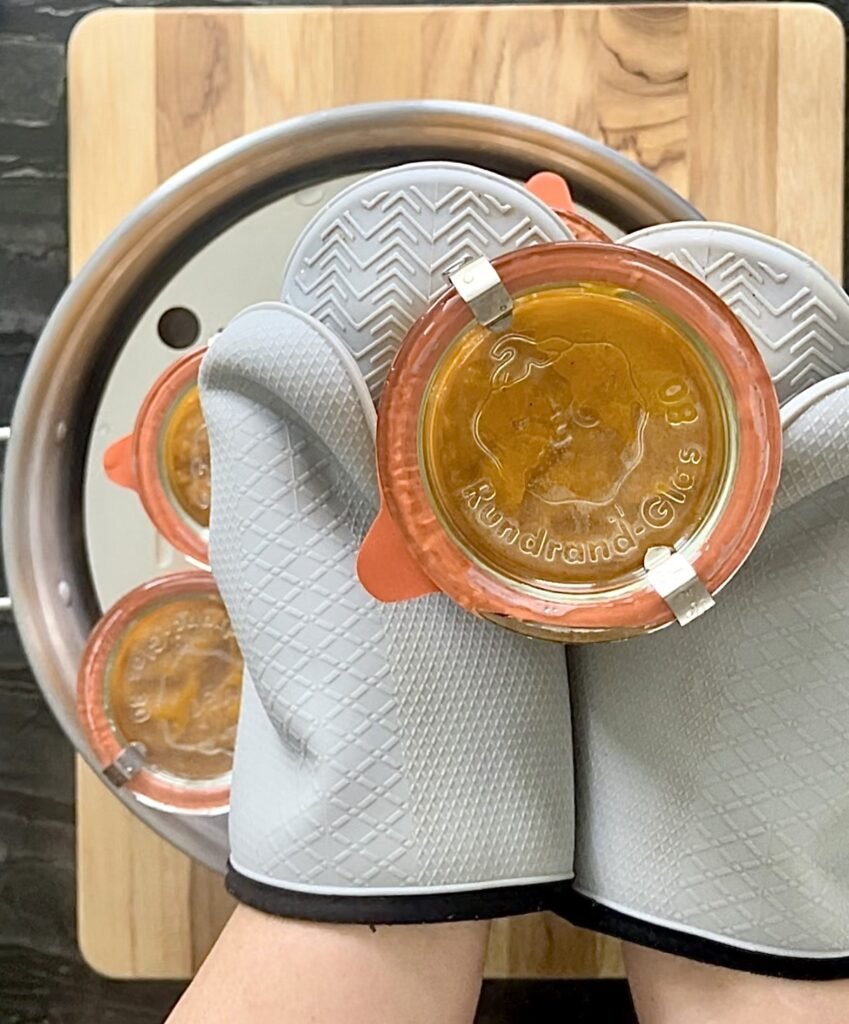
The first time we used WECK jars, we genuinely questioned our life choices. It’s hard not to when you are balancing a hot glass lid, trying to keep a rubber gasket in place, attaching metal clips while everything is cooling faster than you’d like. What’s worse, you are likely failing to have the whole glass-lid-rubber-gasket assembly stay put before you even get to the metal clips part.
Meanwhile, Mason jars are sitting on the counter like: “This could’ve taken half the time.”
And that is fair.
WECK jars are definitely harder for the beginner canner. What’s more, they are slower! Especially, if you have never used anything like this before.
That said, they do several things genuinely better:
- The glass lid eliminates metallic interaction and rust, especially with acidic foods.
- The system is truly reusable by design, not just in theory.
- The variety of WECK jar shapes actually changes how you use your preserves. A WECK juice jar filled with pear juice isn’t storage. It’s presentation.
Would we buy them again? As a matter of fact, we already did – three more times. To clarify, we have not replaced our Mason jars. We use both, but for different purposes.
Here’s the cheat sheet before you read the full teardown:
Pantry Master’s Verdict: A different way to can- not better, but one we keep coming back to
| Personal canning for home use: | ✅ RECOMMENDED |
| Gifting and premium presentation: | ✅ RECOMMENDED |
| Jam production for sale/ selling by volume: | ❌ NOT RECOMMENDED |
| Pressure canning: | ⚠️ USE WITH CAUTION We don’t recommend it, even though some sources claim three clamps (rather than two) make it safe |
| Freezing: | ⚠️ USE WITH CAUTION depends on your specific Weck jar model |
Weck Jars Tests
Test #1: Berry Jams
✅ RECOMMENDED
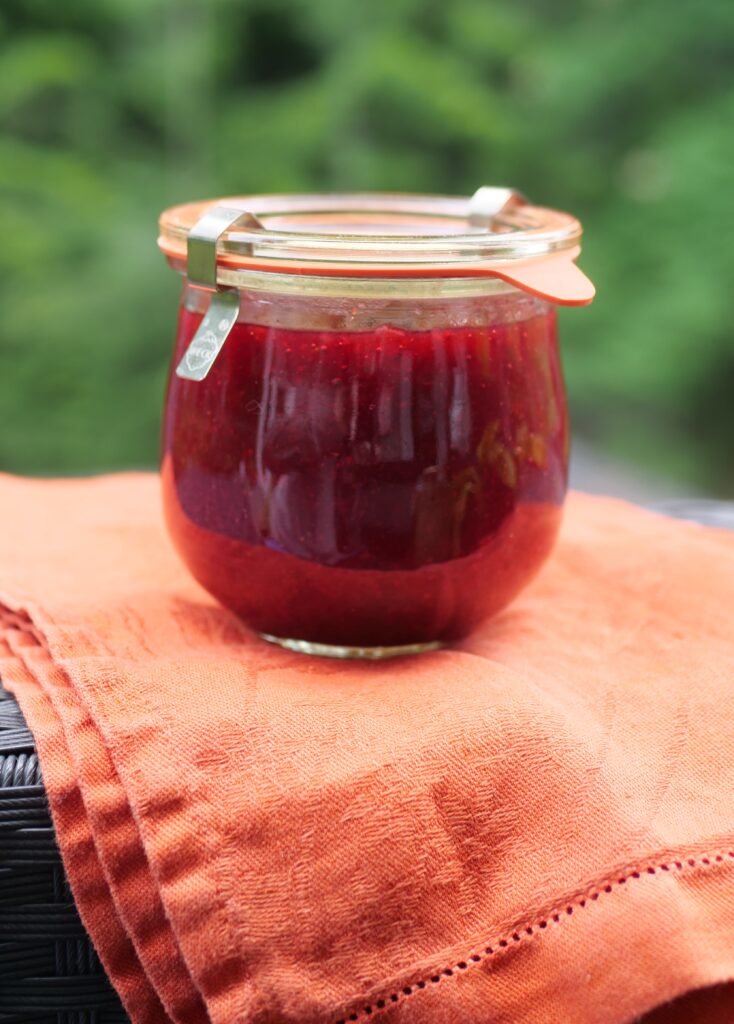
| Jar: | Tulip – various sizes |
| Canning Method: | Atmospheric steam canner |
| Result: | All jars sealed cleanly and passed the lid-lift test. Once you get past the initial learning curve, canning routine is consistent. The tulip shape noticeably improves presentation. |
| Verdict: | Reliable and ideal for jams. Make quite a statement when gifted. |
Test #2: Pickled Cucumbers
✅ RECOMMENDED
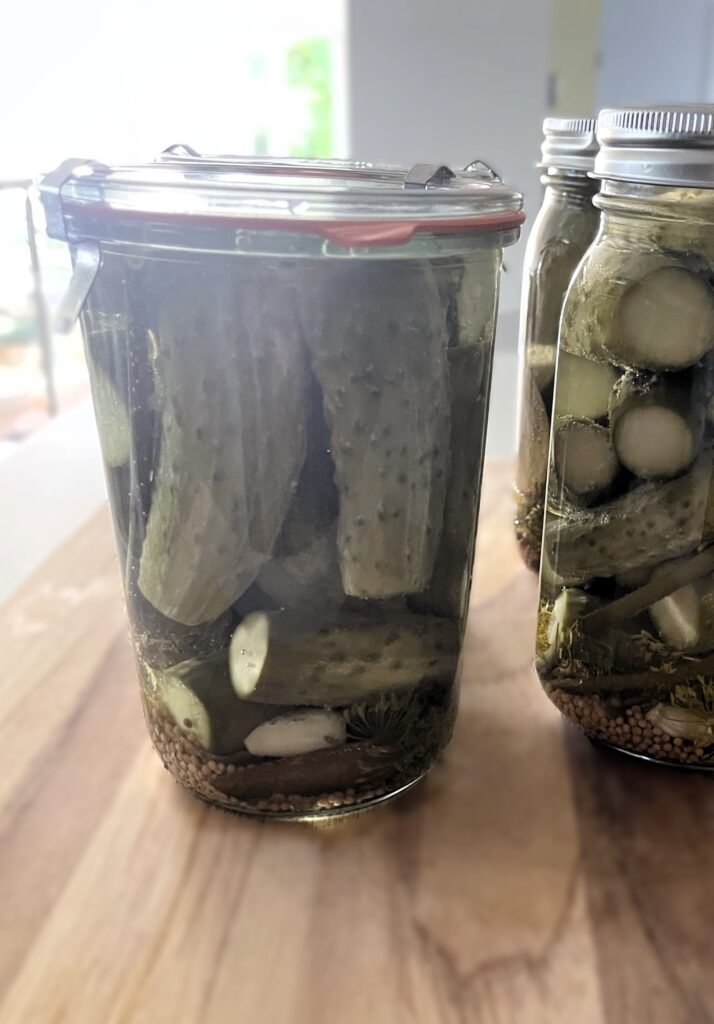
| Jar: | Mold – 850 ml |
| Canning Method: | Atmospheric steam canner |
| Result: | Strong seals after 12+ months. Glass lids eliminate the corrosion issues common with Mason jar lids and bands that get exposed to acidic brines. Mold jars are easier to work with than wide-mouthed Mason jars. |
| Verdict: | A clear advantage over Mason jars for acidic preserves and pickles in general. |
Test #3: Pear Juice
✅ RECOMMENDED
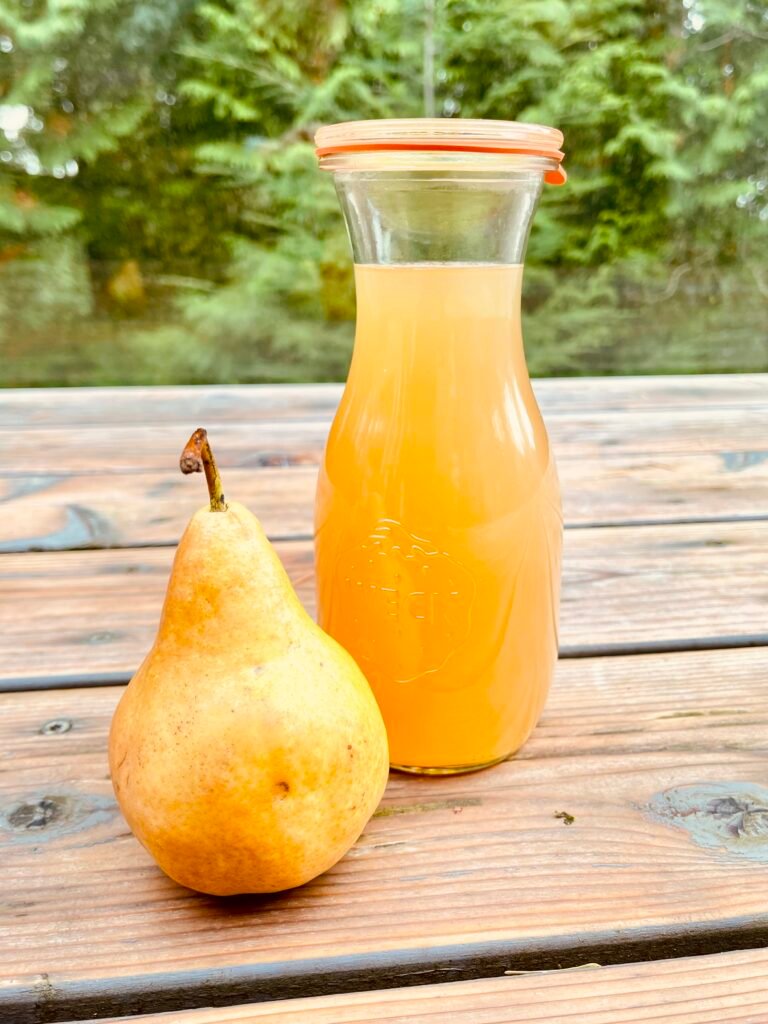
| Jar: | Juice – 530 ml |
| Canning Method: | Water bath |
| Result: | Consistent seals across all jars. The WECK Juice jar doubles as an attractive serving container. It is an easy pantry-straight-to-table solution. Plus, these are easy to store in a fridge door. |
| Verdict: | Best choice for juices and syrups. |
Weck Jars: PROS AND CONS
What We Love
💖Fully reusable system, by design. Every component (jar, glass lid, gasket, clips) is made to be used again and again, for years.
- No annual lid purchases.
- No rusty bands.
- WECK advises not to reuse gaskets, but in our experience they last several canning seasons. We recommend replacing them at the first sign of wear.
💖Glass lid means no rust and no metallic taste. For long-stored acidic preserves like tomato sauce, this is a genuine, practical advantage over metal Mason lids.
💖Variety of shapes that actually serve different purposes. Mold jars for salsa and pickles, tulip jars for jams, juice jars for serving juice at the table – each shape makes sense.
💖Dishwasher and microwave safe (remove rubber gaskets first). The glass is noticeably thicker than most Mason jars. These jars are built to last!
💖Presentation that doubles as serving. Put a WECK juice jar filled with juice on the table and you don’t need a pitcher or carafe. It’s already beautiful.
💖Long-term cost advantage. If you are a serial canner, in the long run WECK jars are cheaper per use than using Mason jars and having to replacing lids every year and bands every second year.
💖Double duty jars. Did you know that WECK jars are widely used for sourdough starter and juice jars as decanters? This double duty is precisely what we look for in our preserving tools.
💖Environmentally friendly. If you care about environment and look for ways to reuse, WECK jars is your friend for all your everyday canning and preserving needs
What to Know
⚠️Slower workflow than Mason jars. You have to plan for it, not against it. Gasket, lid, clips, plus, handling everything while hot. It takes about twice as long per jar compared to a Mason jar setup.
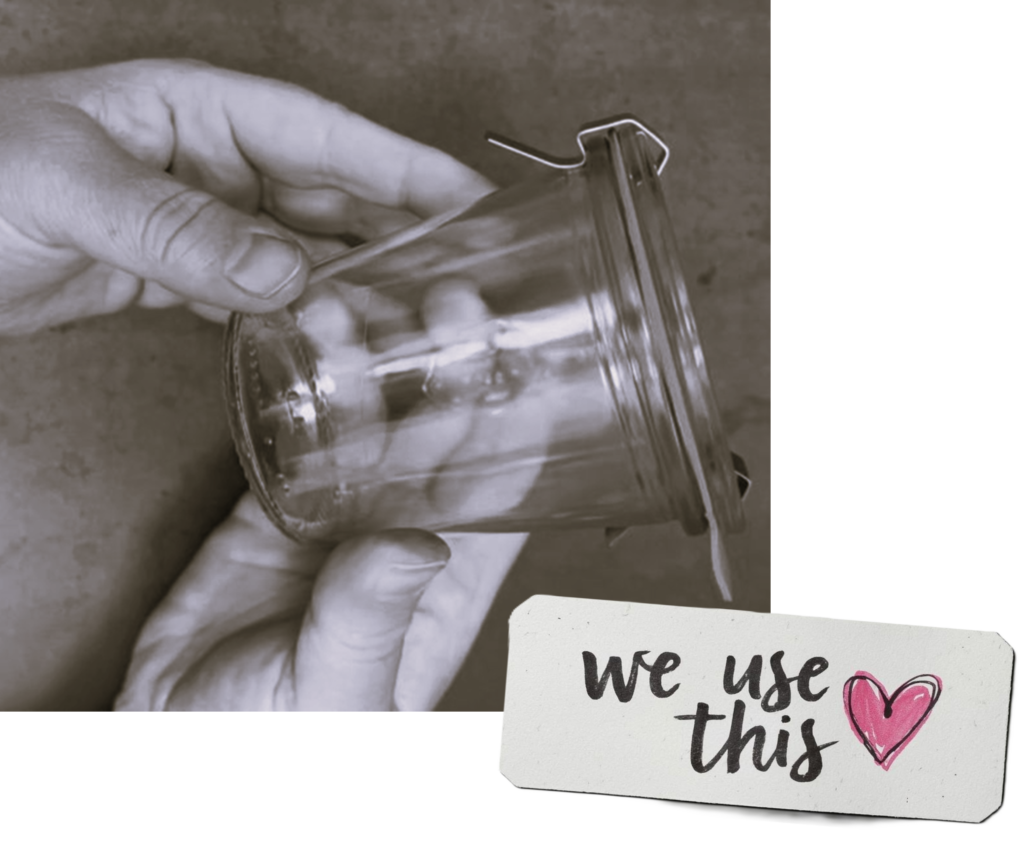
⚠️Handling the lid and gasket takes practice. Lifting a glass lid with the gasket attached is trickier than it sounds. You can’t use a standard lid lifter, and it’s not uncommon for the gasket to shift or slip off just as you’re about to place the lid on the jar.
⚠️More parts to manage. You’re working with separate lids, gaskets, and clips instead of a single lid system. It’s sort of simple once you’re used to it, but it adds friction, especially in larger batches.
⚠️Seal isn’t confirmed at a glance. The rubber tab pointing down is a good sign, but it’s not a 100% proof of the seal. You still need to do the lid-lift test after cooling. This is less intuitive than the Mason lid “pop.”
⚠️Harder to source locally. You can reliably find them online, but local availability is inconsistent. If you need more WECK jars mid-season, plan ahead.
⚠️Gaskets are reusable – but not forever. They last for years, but they do wear out. Replace them when they lose elasticity, stretch, or no longer fit snugly.
⚠️Non-standard jar sizes require a little judgment. Weck jars don’t match North American USDA sizes exactly. You need to be aware of this peculiarity and account for it when working with a recipe built for North American sized Mason jars.
- To make finding appropriate processing times easier, we created a handy WECK Jar Processing Time Finder. Simply enter your WECK jar style and size, and the tool will suggest the closest equivalent Mason jar so you can confidently follow your recipe’s processing guidelines.
WECK jar processing-time finder
Have a recipe written for Mason jars and processed by water-bath or steam canning? Use it with your WECK jars.
Pick your WECK jar below and we’ll show you the matching standard Mason jar size — so you can read the right processing time straight from your recipe.
Your match
Standard tested Mason sizes are quarter-pint, half-pint, pint, quart, and half-gallon. In-between jars sold in shops (such as 12 oz or 24 oz) don’t have their own tested time — process them as the next size up.
This tool is a guide, not a recipe. It matches your WECK jar to a standard Mason jar size. It can’t confirm your food is safe to can.
WECK Jars vs. Mason Jars : The Real Comparison. You Don’t Replace One With the Other. You Evolve.
Which jars are better? Frankly, the answer to this question is more nuanced than most reviews admit. WECK jars aren’t better than Mason jars. Mason jars aren’t better than WECK jars. These are two fundamentally different systems, and they feel different to use. That said, if you’re choosing where to put your money first, here’s the full picture:
WECK Jars vs. Mason Jars: Different Canning Systems, Different Strengths
| Dimension | WECK Jars | Mason Jars |
| Upfront cost | Higher ($4–6/jar) | Lower ($1–2/jar) |
| Ongoing cost | Near $0 (gaskets last years) | $17–25/year (50 lids) |
| True break-even | ~7–10 seasons | Ongoing cost system |
| Reusability | ✅ Fully reusable (all parts) | Jar reusable, lids single-use |
| Ease of use | Slower, more steps | Fast, standardized |
| Seal system | Glass lid + rubber gasket + clips | Metal lid + screw band |
| Seal confirmation | Lid-lift test required | Audible “pop” + visual |
| Aesthetic | Premium, multiple shapes | Functional, uniform |
| Recipe compatibility | ⚠️ Requires size judgment | ✅ USDA standard sizes |
| Availability | Limited locally | Widely available |
| Rust / corrosion | ✅ None (glass lid) | ⚠️ Common with acidic foods |
Once you tried using both types of jars in one canning session, you’ll appreciate the simplicity of Mason jars. We’ve even made a video demonstrating our struggles with the WECK Mold jars, which you need to see to truly understand what you will deal with.
🛟SAFETY NOTE
When used correctly, WECK jars are fully suitable for both water bath and atmospheric steam canning.
The key concern is not Weck jars technical suitability for canning, it’s the sizing.
Weck jars follow European sizing, which doesn’t always align with the USDA-tested jar volumes used in North American processing tables. As a result, processing times have to be adapted from those developed for standard Mason jars. (See our WECK Jar Processing Time Finder above).
This is not a one-to-one substitute for a tested jar size, but in practice, it is the closest available approach when using WECK jars.
Other than that, the sealing system – glass lid, rubber gasket, and clamps – reliably creates a vacuum seal, just like a standard Mason jar.
When it comes to pressure canning, some say, only certain WECK jar models are suitable and only with three clamps. Our take, it’s not the simplest jar to use in a water bath canner. Best to save yourself a headache and skip the pressure canner.
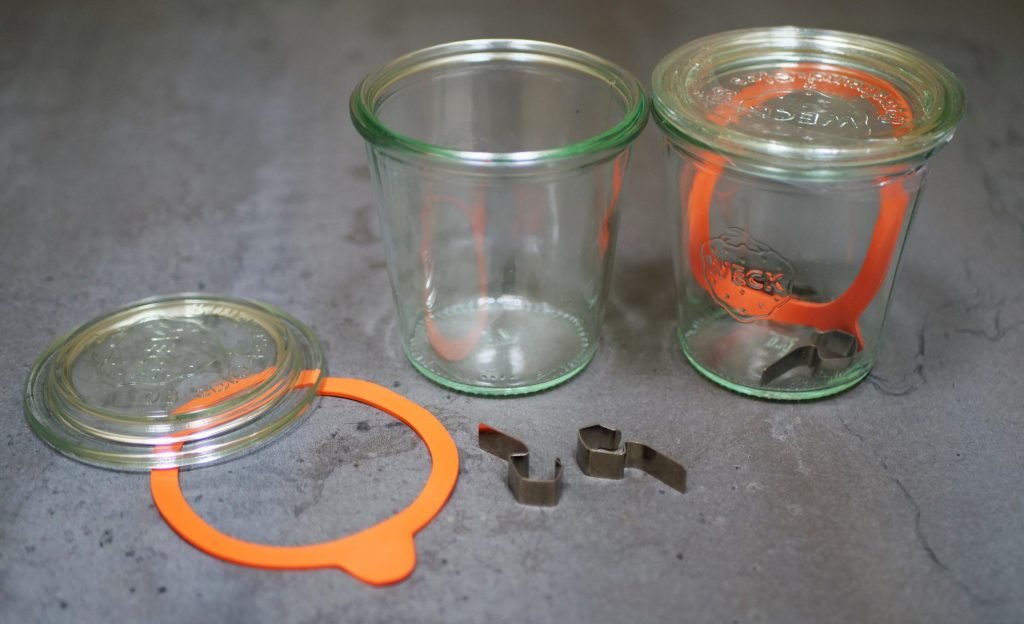
What Are WECK Jars? A Complete Guide to Canning with WECK
Learn how to properly use, assemble, and process gorgeous WECK glass jars for home food preservation, featuring our hands-on testing results and essential safety workarounds. Read More➡️
You’ll Also Need
A WECK jar without the right tools around it is like a beautiful kitchen with no knives – the star of the show, but not the whole story.
| Product | Why | Payback |
| Kitchen Crop Steam Canner | Faster processing, less water, same results. It pairs perfectly with WECK jars | Pays for itself in 2–3 seasons Check price on Amazon↗️ |
| Kitchen Tongs | Getting WECK lids out of the hot water requires a good lifter | Immediate Check price on Amazon↗️ |
| Plastic lids | Unless you eat the contents of your jar in one go, you’ll need these | Immediate Check price on Amazon↗️ |
| Replacement WECK Gaskets | Have a spare set. Gaskets wear. You don’t want to discover this mid-season | ~$0.70 each — negligible Check price on Amazon↗️ |
WHAT WE’VE MADE WITH WECK JARS
These jars don’t just store food. They make you want to use it – which, if you think about it, is the entire point of preserving.
| Recipe | Verdict | |
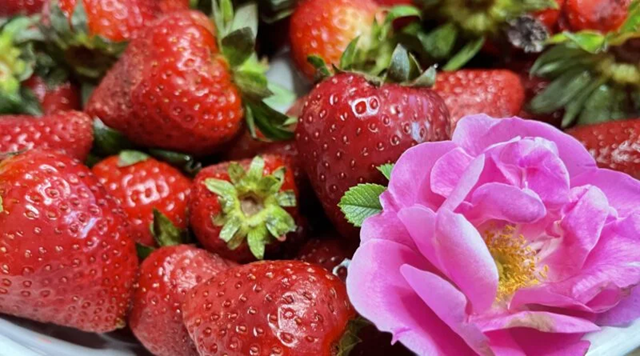 | Strawberry and Rose Petal Jam↗️ | Worked beautifully |
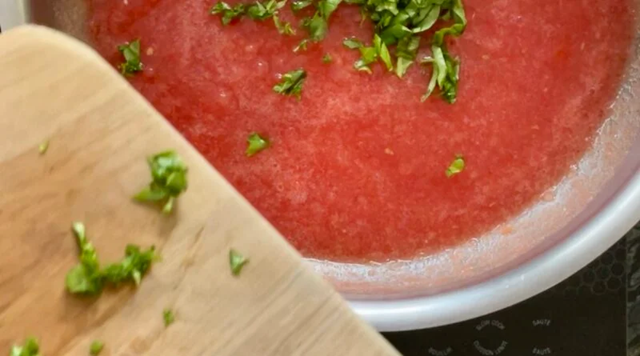 | Simple Italian Tomato Sauce↗️ | Glass lid shines here |
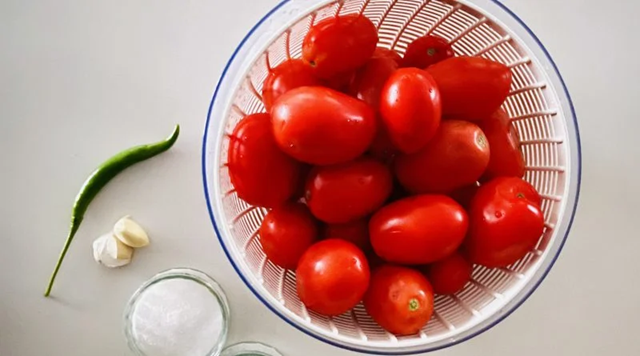 | Spicy Tomato Juice↗️ | Juice jars were made for this |
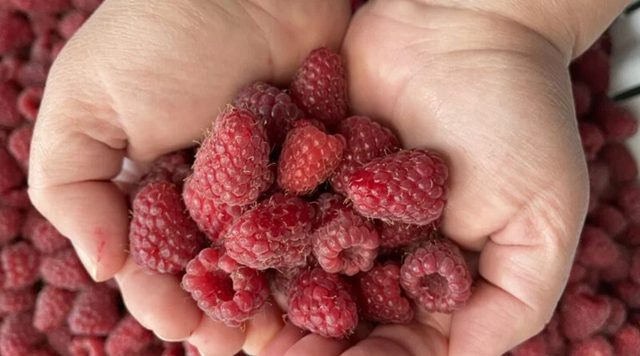 | Raspberry with Black Pepper Jam↗️ | Tulip jar presentation is stunning |
Ready to invest in a jar you’ll still be using in ten years?
Our Honest Recommendation
In our opinion, WECK jars are not a replacement for Mason jars. Rather, they’re what you add once you know you’re in this for the long run. The learning curve is real. The upfront cost is real. And so is the payoff: in presentation, in durability, and in the satisfaction of a shelf full of beautiful preserve-packed jars.
Financially, the return takes time. But on the upside, WECK jars hold their value well. You can often resell them for close to what you paid for them, minus the cost of replacing gaskets.
Related Reviews
More Equipment Reviews
| Product | Verdict | Rating | |
 | Kitchen Crop Steam Canner | This is why we enjoy canning | ⭐⭐⭐⭐⭐ Read review↗️ |
 | Tattler Reusable Lids | Real savings, slight learning curve | ⭐⭐⭐⭐ Read review↗️ |
 | Granite Ware Canner | Good, but we prefer steam | ⭐⭐⭐½ Read review↗️ |
Tried this preserve? We’d love to hear how it turned out!