Peach Apricot Jam with Lavender (French-Style Recipe)
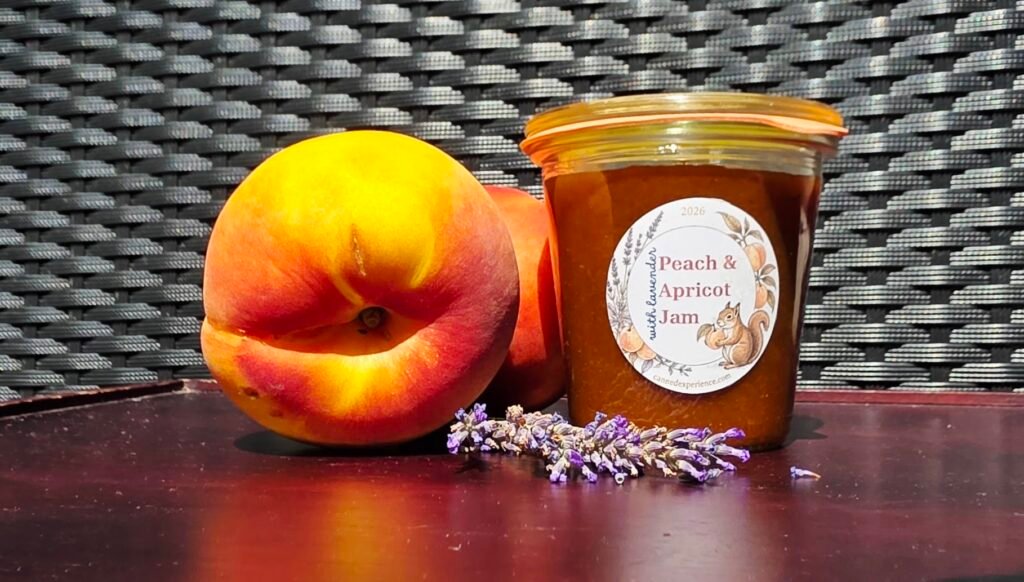
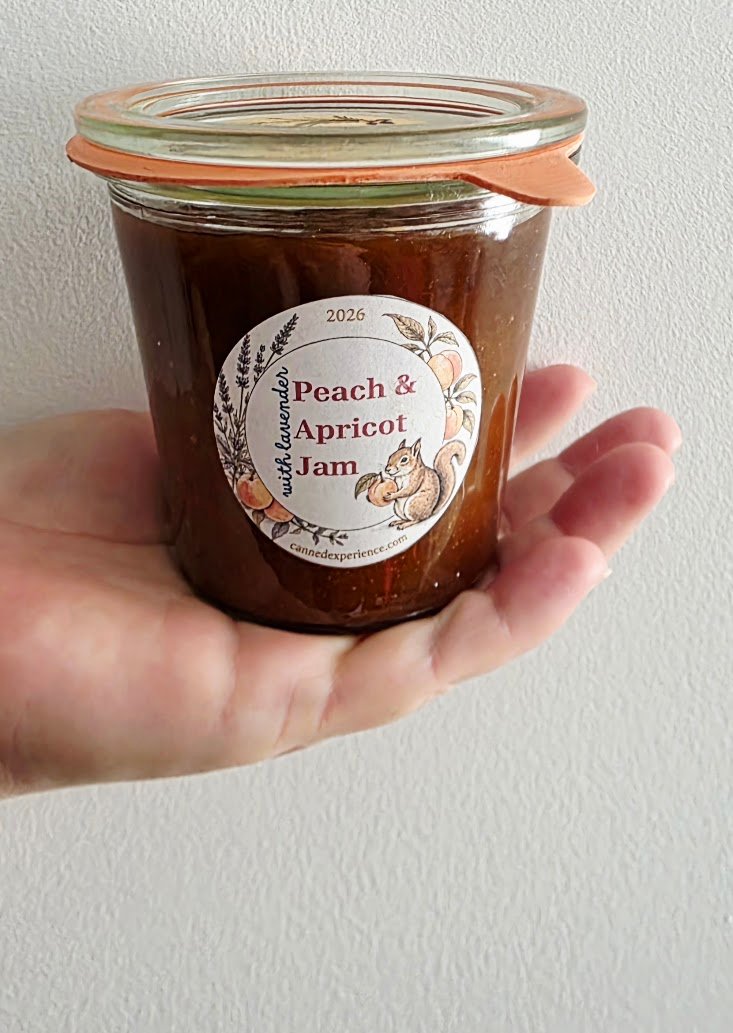
Peach Apricot Jam made with peaches, apricots and … lavender. One very expensive French jam… minus the expensive part.
🔪 Prep:
15 mins
⏲️ Macerate:
Overnight
🫕Cook:
30 mins
🫙5
half-pint jars
💰Cost:
~ $3.50 per jar
Most peach apricot jam recipes keep things simple. This one borrows a page from a luxury French preserve. A culinary lavender and a small amount of pectin for a soft, spoonable set, that’s as good on toast as it is on a cheesecake. Elegant, not fussy. Worth making more than once.
Why You’ll Love This Peach Apricot Jam
- A classic stone fruit pairing. Sweet peaches and tangy apricots bring out the best in one another, creating a richer flavour than either fruit alone.
- Soft, spoonable texture. A small amount of powdered pectin gives the jam a dependable set while keeping it closer to a French confiture than a firm North American jam.
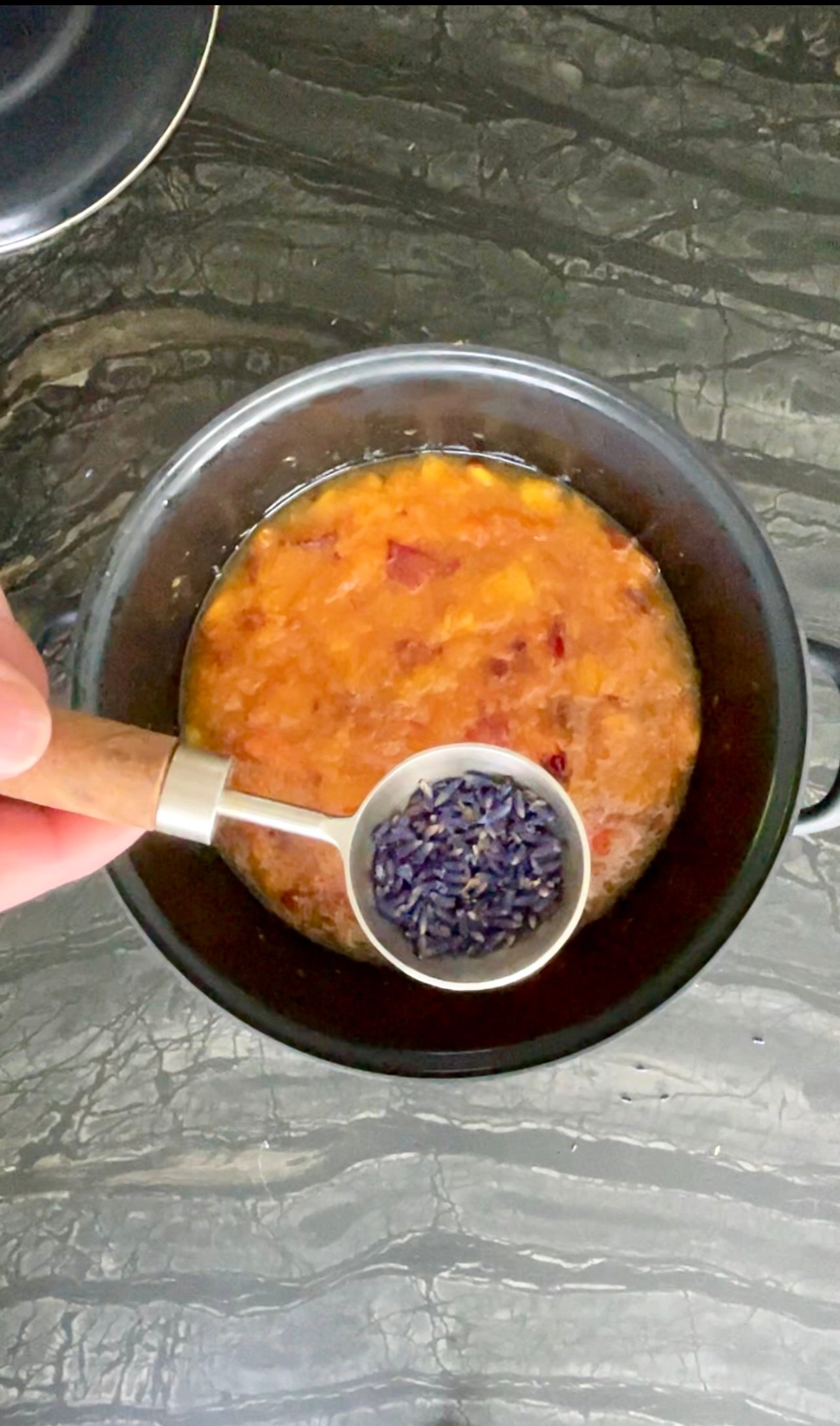
- Lavender used with a light hand. Just enough culinary lavender adds a delicate floral note.
- Perfect for canning. Designed for both water bath and atmospheric steam canning.
What Makes This Peach Apricot Lavender Jam French-Style?
By the time we discovered French confitures, we already knew the techniques behind them. Growing up with Eastern European preserves, we were familiar with macerating fruit, cooking it gently, and letting time, not just pectin, develop texture. To us, good jam had always been something you coaxed into existence, not something you rushed.
What we wanted to understand was why French confitures felt so…refined.
So we bought them.
We tasted preserves from Christine Ferber, Fauchon, and even sampled the jams made by a few local classically trained chocolatiers. We studied the ingredient lists, compared textures, and paid attention to the little details that made each spoonful feel luxurious. The fruit still tasted like fruit.
The texture was soft and elegant instead of stiff. Every flavour seemed deliberate.
This recipe grew out of one of those discoveries: Fauchon’s peach, apricot, and lavender confiture.
Is this an exact copy? Probably not. We weren’t trying to clone it. We wanted to recreate the same experience using techniques that already felt familiar to us. The result is a jam that’s bright with fruit, delicately scented with lavender, and soft enough to remind us why we fell in love with French confitures in the first place.
We think it’s every bit as enjoyable. We hope you will too.
What Is a French Confiture?
In France, confiture has a legal minimum sugar content, and the style favors a softer, more spoonable set with visible fruit pieces, rather than the firmer, uniformly gelled texture common in North American jams.
Having said that, to most French people, confiture simply means jam. However, in the world of preserves, the word has also become associated with a particular style of jam making.
Many traditional French confitures aim for a preserve where the fruit still tastes like itself. Instead of cooking everything quickly over high heat, the fruit is often macerated first, then cooked slowly to concentrate flavour while preserving its character.
Peach-Apricot-Lavender Jam: Key Ingredients
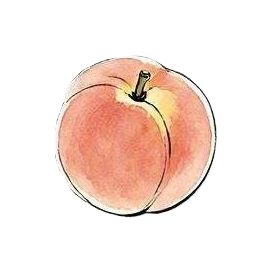
Peaches
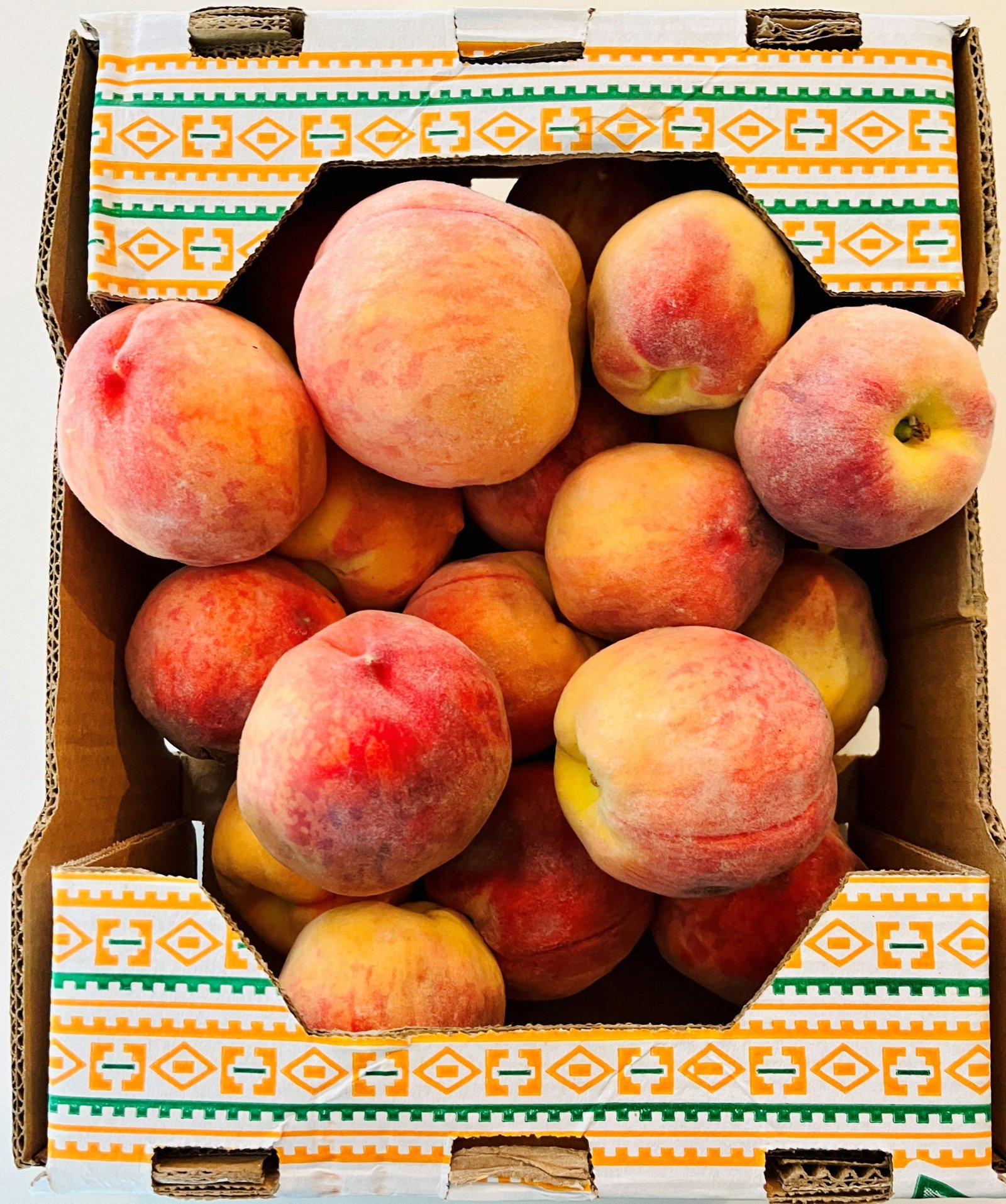
Freestone yellow peaches work best here. “Freestone” means the pit separates cleanly, which saves real time at the cutting board. More importantly, yellow-fleshed peaches tend to run more acidic than white-fleshed varieties which matters for canning safety, not just flavor.
Substitution: Nectarines are the same species as peaches, just without the fuzzy skin, and can be swapped in directly. Additionally, white peaches will work, but since they run lower in acid, don’t skip the lemon juice, and consider adding a tablespoon more.
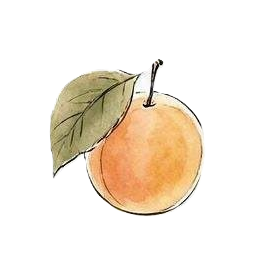
Apricots
Apricots are doing more than flavor duty here. Their skins carry a meaningful amount of natural pectin, which is why this confiture can set without an addition of the entire box of pectin. Leave the skins on! That’s where the pectin, and a lot of the color, is.
Substitution: This recipe is built specifically around the peach-apricot ratio below. Shift the balance toward more peaches and you’ll likely need a longer cook time, or a bit more lemon juice, to reach a similar set.
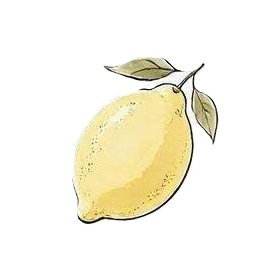
Lemon Juice
Lemon juice balances the sweetness, but its more important job is bringing the batch’s acidity down into a safer range for water bath or steam canning.
Apricots are borderline-acid fruits. So, adding lemon juice is part for flavor and part insurance.
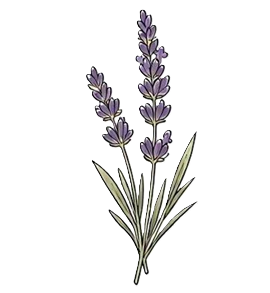
Culinary Lavender
Use English lavender only, Lavandula angustifolia, labeled by that name, not just “culinary lavender.”
❌Lavandin (Lavandula x intermedia), the hybrid grown mainly for essential oil production, is not meant to be eaten; its camphor content is far too high, and it belongs in sachets and diffusers, not food. Skip anything sold for crafts, candles, or garden décor too! It’s grown and treated for scent and looks, not for eating.
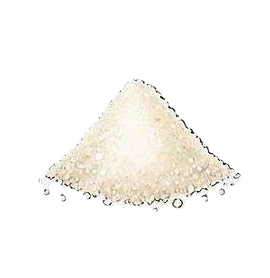
Granulated Sugar
Sugar has three jobs in this recipe: it sweetens two fruits that are fairly tart on their own, it helps draw juice out during the initial maceration stage, and it works alongside the pectin and fruit reduction, helping this jam reach a reliable set. This recipe uses meaningfully less sugar than an old-fashioned 1:1 confiture usually call for, precisely because it gets some help from added pectin rather than having to rely on sugar concentration alone.
Substitution: You can reduce the sugar content further but you will have rely on a different kind of pectin to set this jam. Namely, look for low-methoxyl pectin, such as Pomona’s to set your jam
Regular Powdered Pectin
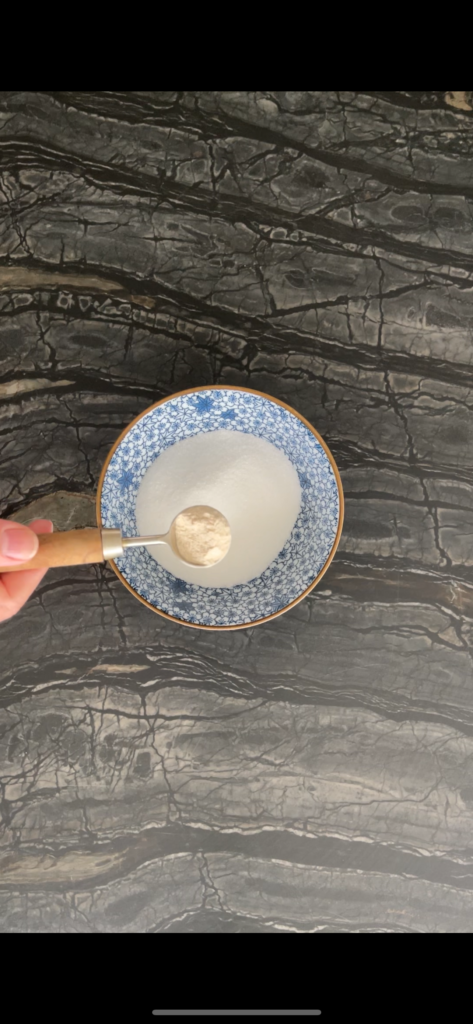
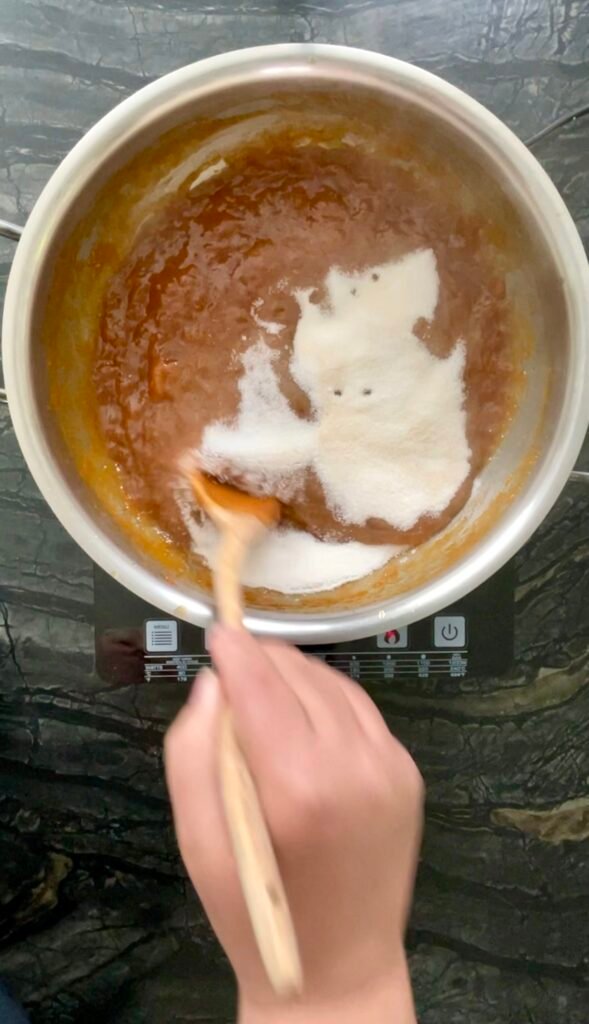
A modest amount of powdered fruit pectin helps apricots’ own natural pectin in this recipe. We are not going for a full package to make this peach apricot jam. Instead, we use just enough to guarantee a desired softer set without having to rely on a much higher sugar ratio. Make sure to whisk it into the reserved sugar before it goes anywhere near the hot pot. If added directly to hot liquid, powdered pectin clumps almost instantly.
Substitution: Standard high-methoxyl/HM (not low-sugar or no-sugar-needed) powdered fruit pectin is what this recipe is built around.
Low-methoxyl (LM) pectin formulas set differently and lets you reduce or eliminate the sugar in this recipe if that’s the direction you want to take it. Pomona’s is one of the best-known makers of LM pectin. If you switch to it, you’ll need to work out the correct pectin amount yourself; the quantity given here is calibrated for standard (HM) pectin only.
If seeing “pectin” on an ingredient label makes you worry about synthetic additives, take a deep breath – you are totally in the clear!
🍎🍊Powdered pectin is 100% natural fruit powder.
At a microscopic level, pectin is a soluble fiber that lives inside the cell walls of plants and fruits, acting like nature’s structural glue. The commercial powdered pectin you buy isn’t created in a chemical lab; it’s actually cleanly upcycled directly from real fruit! It’s extracted by gently simmering down citrus peels and apple pomace left over from the juice industry.
Beyond its magical ability to gel and thicken preserves, pectin is also a fantastic prebiotic that helps feed the good bacteria in your gut. 🧡 We love using high-quality powdered pectin because it lets us cut the sugar in our jams drastically without sacrificing that thick, beautiful texture or relying on weird artificial additives.
A Quick Note on Liquid Pectin: We stick strictly to powdered pectin! Commercial liquid versions often contain added chemical shelf-stabilizers and preservatives (like sodium benzoate) that we prefer to skip in our homemade jams and jellies.
Pantry Master Note
If you’ve made jam before, you may notice this recipe uses less sugar than the classic one-to-one fruit-to-sugar ratio. That’s intentional.
Rather than calculating the sugar from the fresh fruit, we calculate it from the fruit after it has had time to concentrate. During the maceration and several gentle cooking cycles, the peaches and apricots lose roughly one-quarter of their weight as water evaporates. By the time the jam is ready for its final cooking round, the fruit is naturally richer in flavour and needs less sugar to reach the balance we’re after.
We then add sugar at about 65% of the weight of that reduced fruit, along with a modest amount of powdered pectin. This method allows us to make jams that are far less sugary than traditional equal-parts fruit-and-sugar jams. It’s one of the techniques that gives this recipe its French-inspired character.
What Does It Cost to Make This Jam
These estimates are based on typical prices at U-pick orchards, farm stands, and farmers’ markets in Canada and the United States, where many home canners buy their fruit. Pantry ingredients reflect current retail prices.
| Ingredient | USD | CAD |
| Peaches (2 lb) | $7.00–8.00 | $6.00–8.00 |
| Apricots (1.5 lb) | $5.25–6.75 | $4.50–6.00 |
| Granulated sugar (4 cups / 800 g) | $1.00–1.30 | $1.35–1.80 |
| Powdered fruit pectin (1½ tbsp) | $0.90–1.20 | $1.15–1.50 |
| Bottled lemon juice (3 tbsp) | $0.35–0.60 | $0.50–0.80 |
| Culinary lavender (3 tbsp) | $1.00–1.50 | $1.35–2.00 |
| Total batch (5 half-pint jars) | $15.50–19.35 | $14.50–20.10 |
Cost per Jar: ~$3.10–3.90 USD / ~$2.90–4.00 CAD
For comparison, Fauchon’s seasonal Peach, Apricot & Lavender Confiture sells for €9.20 (approximately $15 CAD or $11 USD) for a jar similar in size to the ones this recipe makes. Making it yourself costs roughly one-quarter as much per jar. Plus, factor in the satisfaction of filling your pantry with something you made from fresh, local fruit.
Of course, the real savings come if you grow your own peaches or apricots, or spend a morning at a U-pick orchard.
That’s exactly how frugal canner justify making “luxury” jam every summer!
Common Mistakes When Making Peach Apricot Jam with Lavender
❌ Using the wrong lavender.
Only use English lavender (Lavandula angustifolia) that’s sold for culinary use. Lavandin contains much more camphor and can leave the jam tasting medicinal or soapy.
❌ Skipping the maceration.
The resting time isn’t optional. It draws juice from the fruit, starts dissolving the sugar, and helps preserve the peaches’ fresh flavour during cooking.
❌ Boiling too hard.
A rolling boil for long periods breaks down delicate peaches and dulls their flavour. Gentle cooking and patience produce a brighter, fresher-tasting jam.
❌ Adding the pectin directly to the jam.
Always mix powdered pectin thoroughly with the measured sugar before stirring it into the fruit. This prevents stubborn lumps that never fully dissolve.
❌ Judging the lavender content too early.
Lavender becomes more noticeable as the jam cools. Resist the temptation to keep adding more while the jam is still piping hot.
Peach Apricot Jam with Lavender (Canning Recipe)
Canning Methods
This is a high-acid jam preserve. Out canning table follows standard NCHFP’s processing times for jams and jellies.
Both water bath canning and atmospheric steam canning use identical processing times for this recipe. We typically use an atmospheric steam canner for speed and lower water use, but a water bath canner works equally well and is the most widely used method in home preserving.
Processing table – Steam Canner & Water Bath
Jar size: Half-pint or Pint (8 oz / ~250 mL or 16 oz / ~500 mL)
Pack style: Hot
Applies to: Atmospheric steam canner AND water bath canner (same processing times)
| Altitude | Processing time |
| 0–1,000 ft | 5 min |
| 1,001–6,000 ft | 10 min |
| Above 6,000 ft | 15 min |
Not sure which elevation band is yours? Our Canning Altitude Calculator will give you the answer in a couple of seconds.
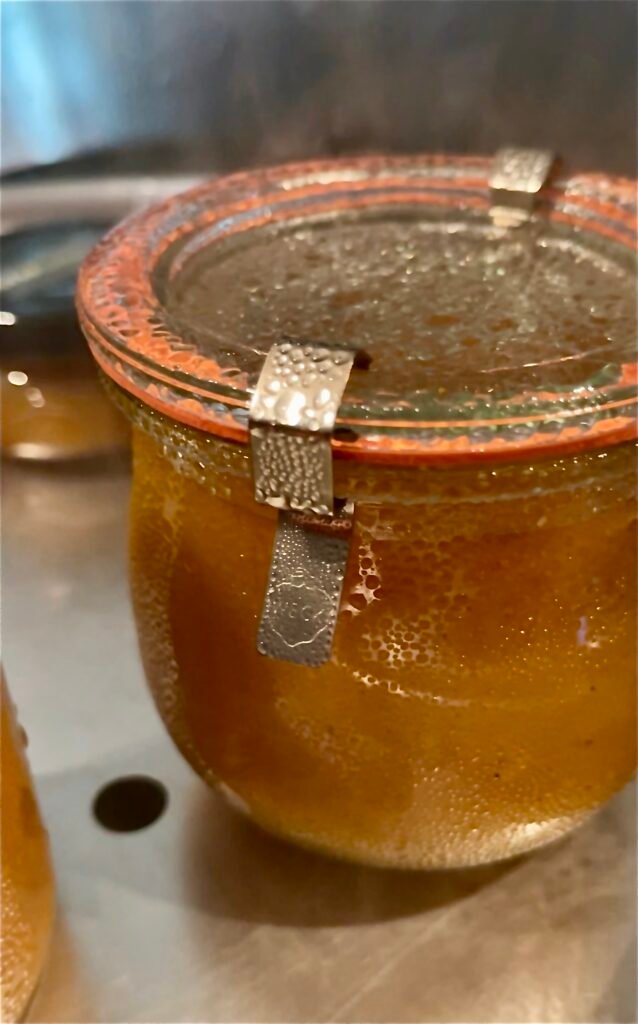
Atmospheric steam canning is newer to the home canning world. Nevertheless, it has been validated for high-acid preserves like this. It uses less water, heats up faster, and doesn’t require jars to be submerged.
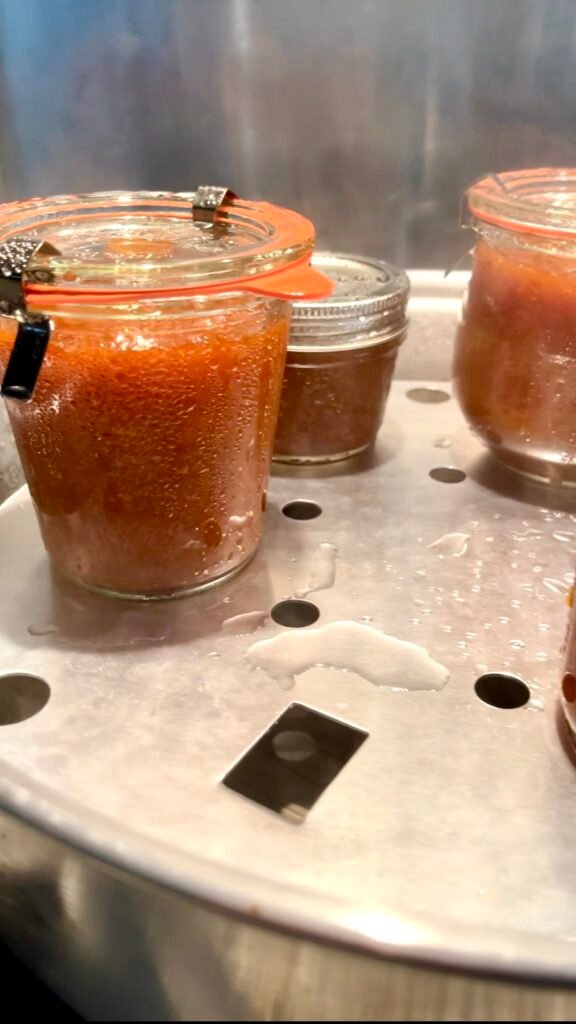
- Prepare your atmospheric steam canner according to the manufacturer’s instructions. Typically, fill the base with the recommended amount of water and preheat until steam begins to vent.
- Place filled jars on the canner rack. Cover with the dome lid.
- Start timing once a steady column of steam has been venting continuously.
- When processing time is complete, turn off heat.
- Remove jars straight up with a jar lifter. Most important, do not tilt. Place on a towel-lined counter or cutting board.
New to steam canning?
Ready to ditch water bath canners?
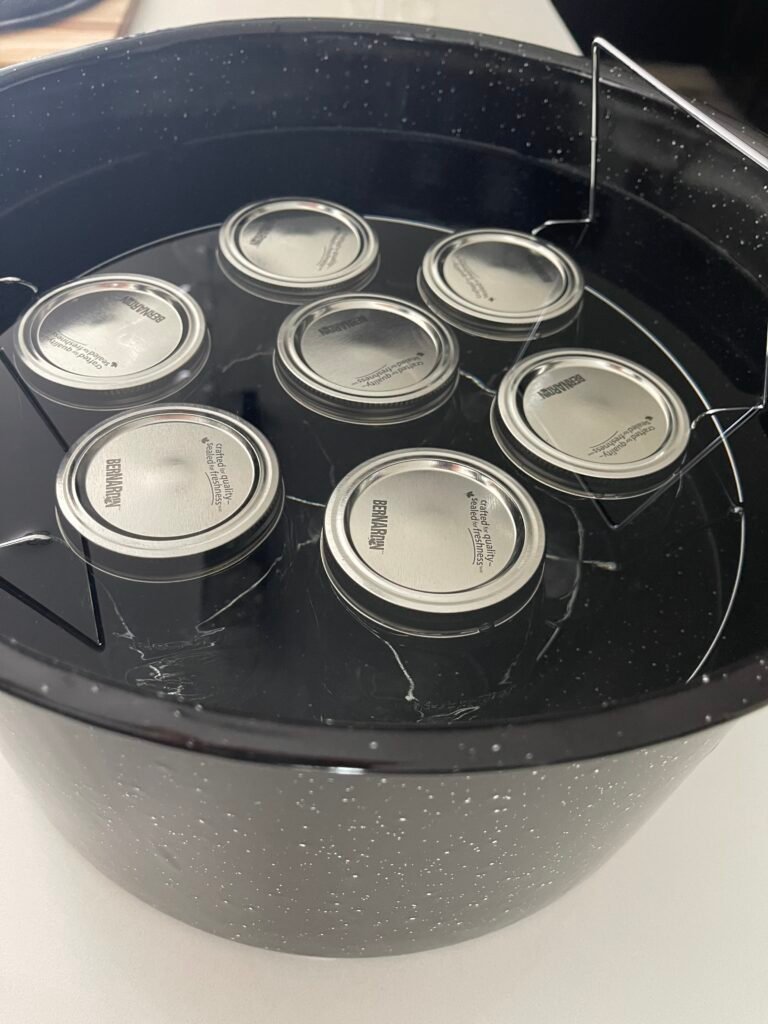
Water Bath Canning
Undeniably, water bath canning is the most widely used method for high-acid preserves and the one most canners learn first. If you already own a water bath canner, this is a perfectly sound way to process this jam.
- Place filled jars on the canner rack and lower it into boiling water. Always remember, water must cover the lids by at least 1 inch.
- Start timing once you reach a full rolling boil. Processing times are identical to the table above.
- When processing is complete, turn off heat and let jars rest in the water for 5 minutes before removing them. This step helps prevent siphoning.
- Lastly, remove jars straight up with a jar lifter.
Looking to understand how the two methods compare?

Prefer Open Kettle?
Open kettle canning is not a USDA-recommended method. For this recipe, we used atmospheric steam canning to get consistent, shelf-stable results. However, open kettle remains a long-established traditional method that some experienced canners still use for high-acid preserves.
We don’t dismiss traditional methods. For those who choose to use open kettle, we’ve put together a guide that explains how it is practiced, along with the key steps aimed at reducing common risks within that traditional approach.
After sealing (all methods)
- Do not touch, adjust bands, or press lids for 12–24 hours.
- After cooling, check seals: press the center of each lid. If it doesn’t flex, the seal is good. Any jar that didn’t seal goes in the fridge → use within 3 weeks.
- Remove bands for storage (they trap moisture and can mask a broken seal over time). Label with contents and date.
- Store in a cool, dark place. Peak quality for 12–18 months.
Check your processing time/ canning pressure if you’re above 1,000 feet↗️
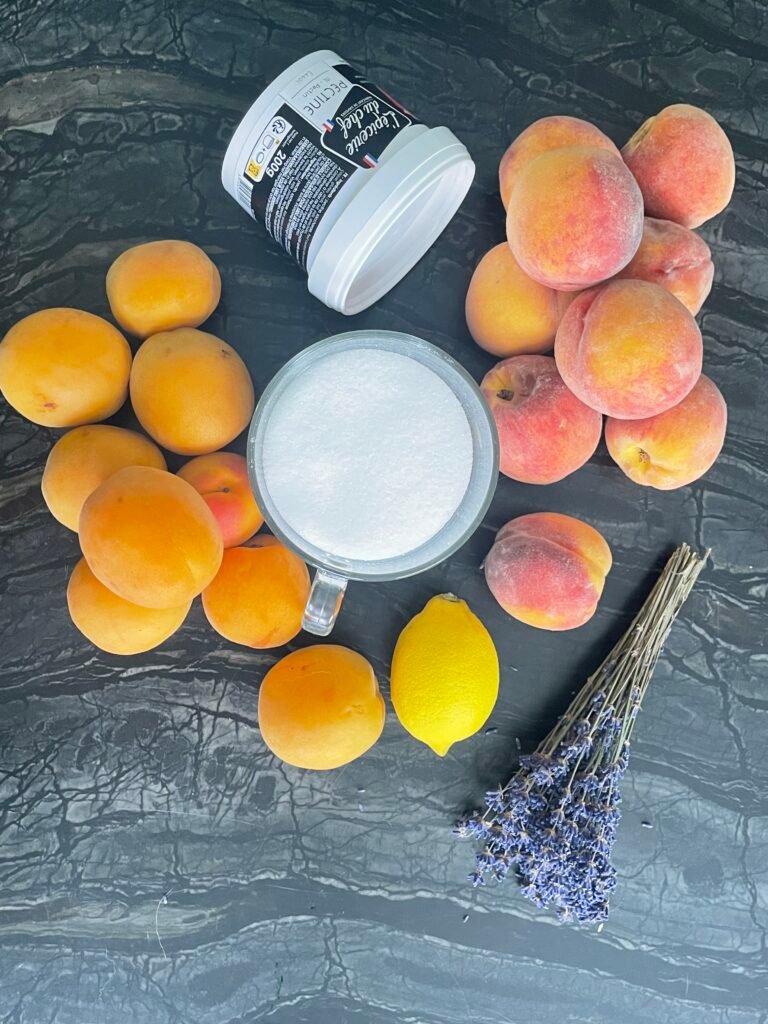
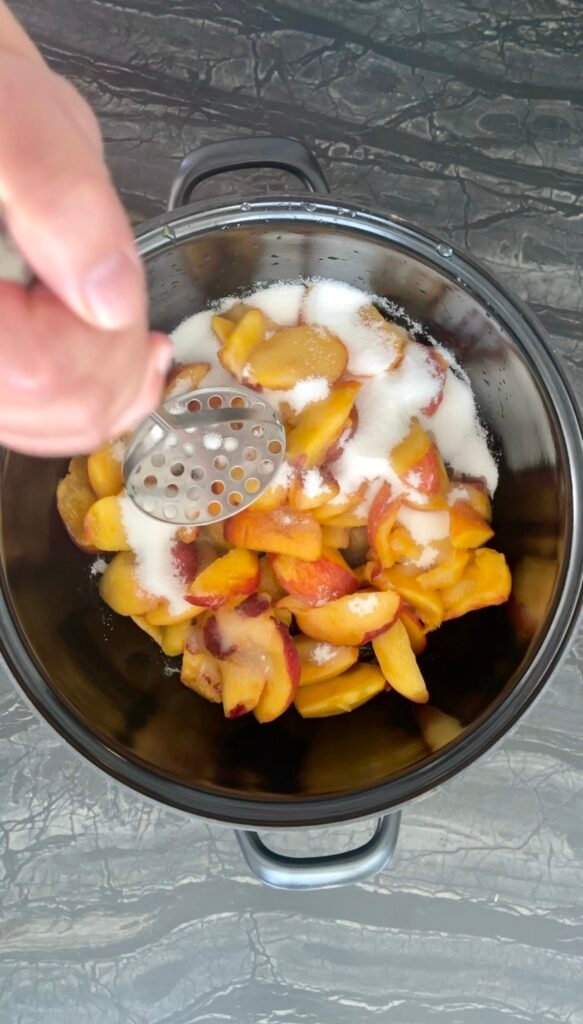
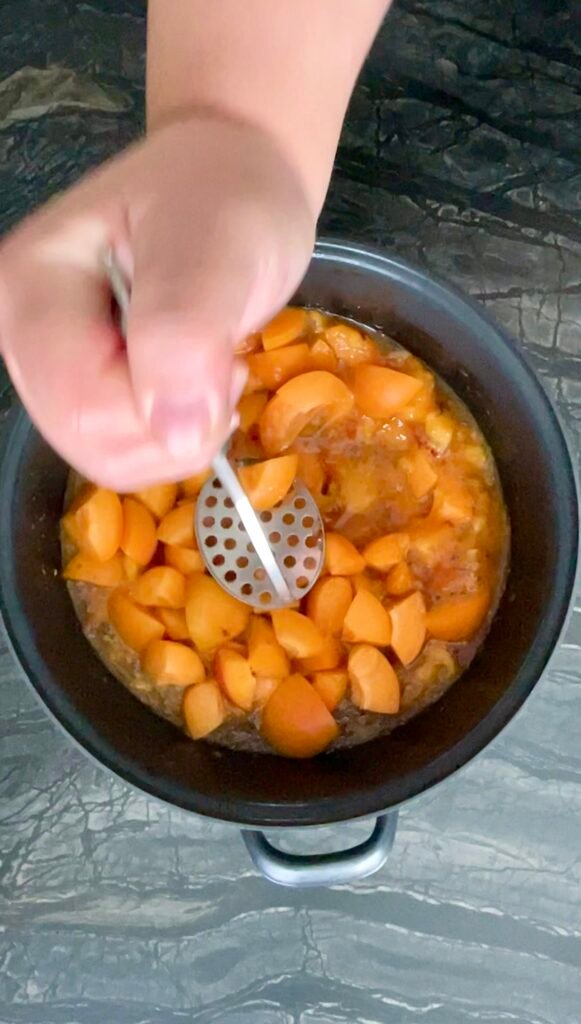
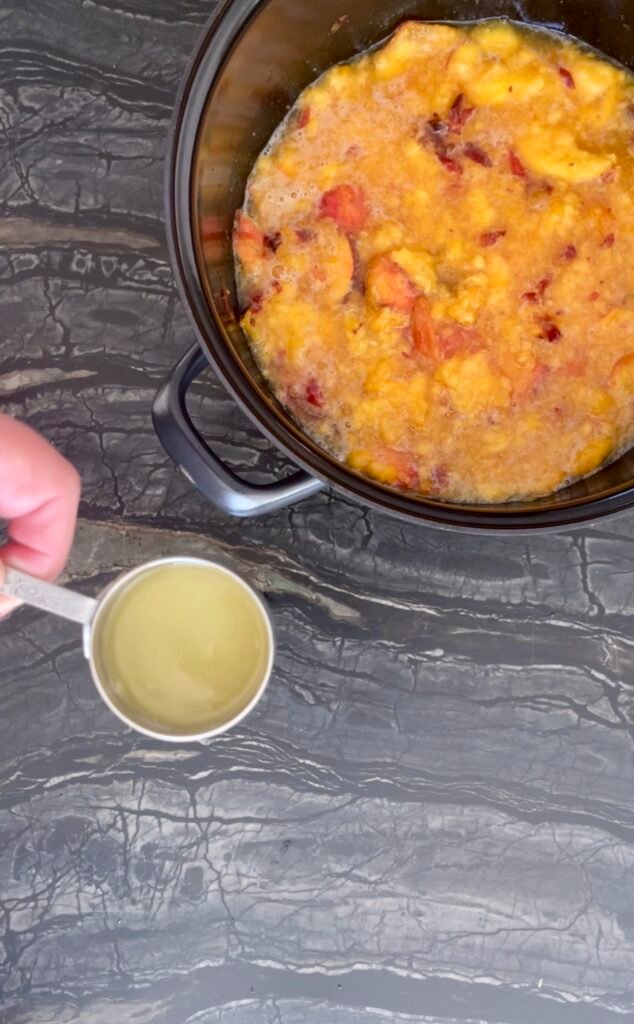
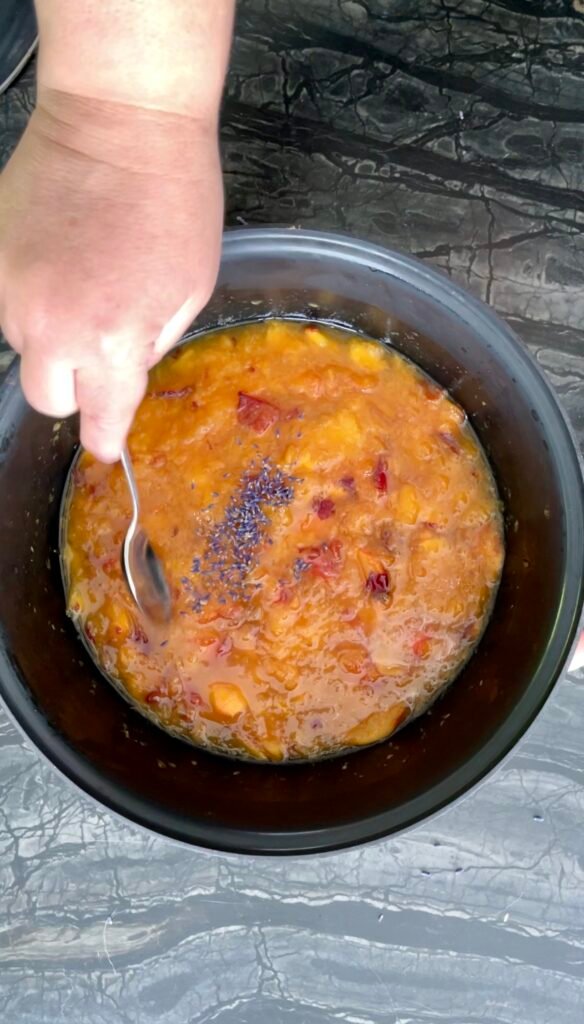
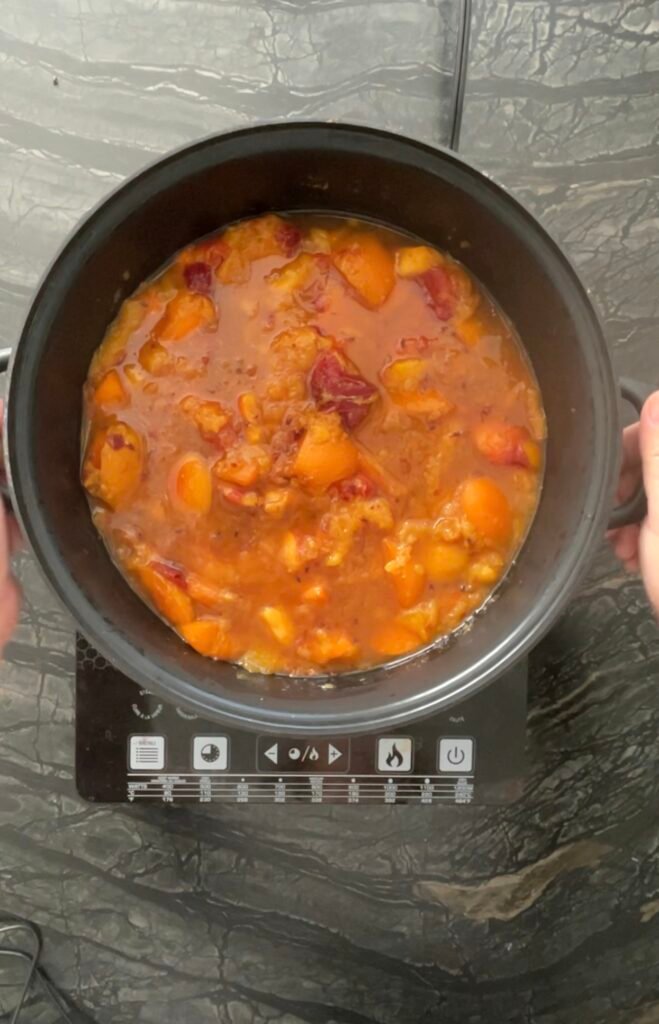
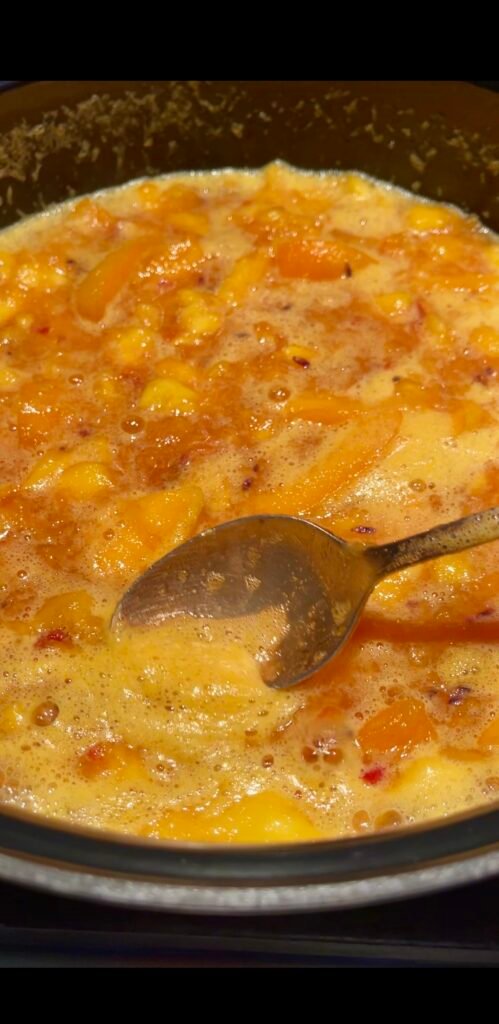
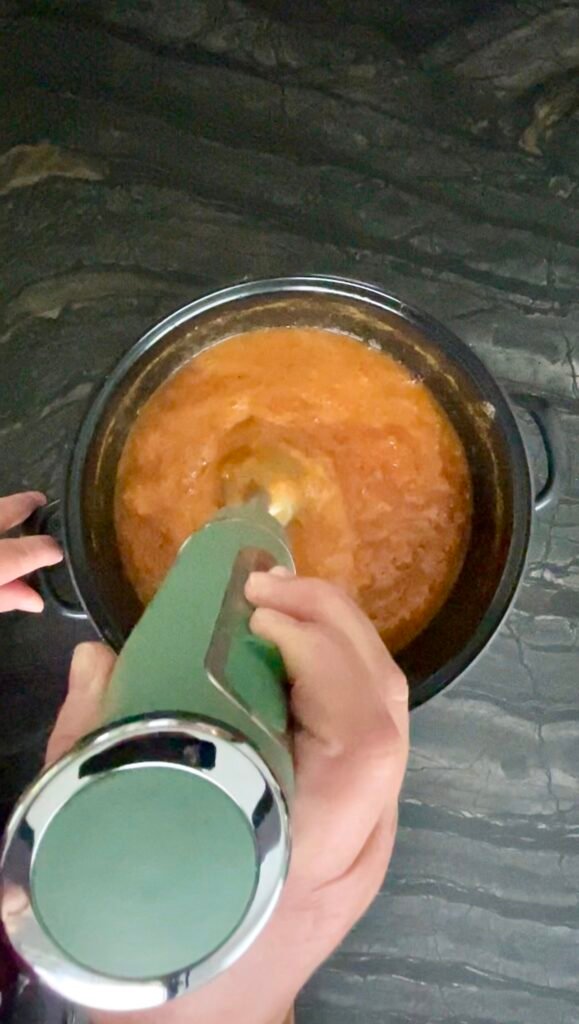
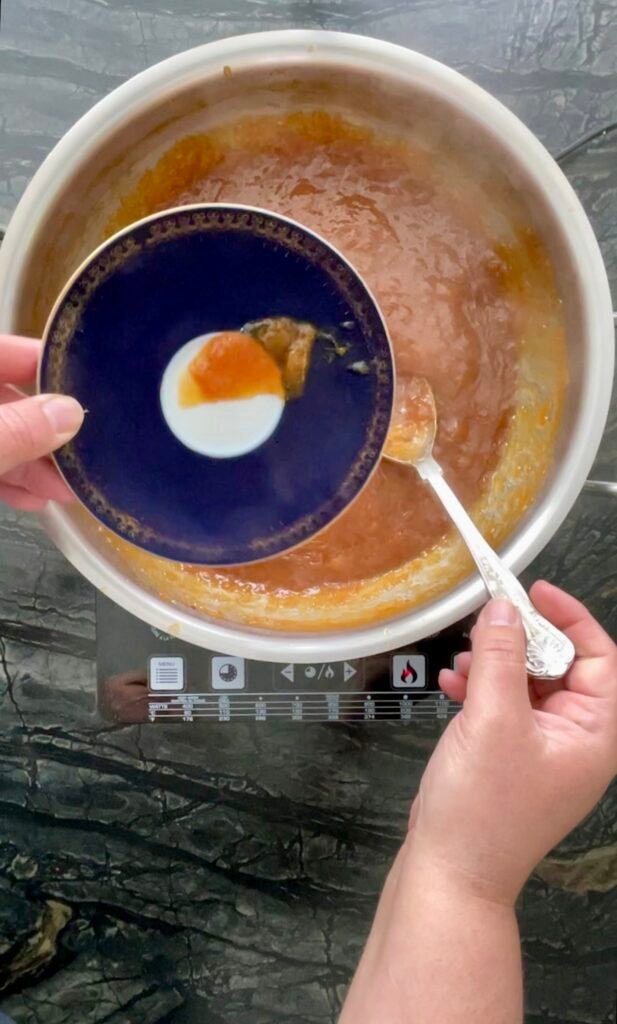
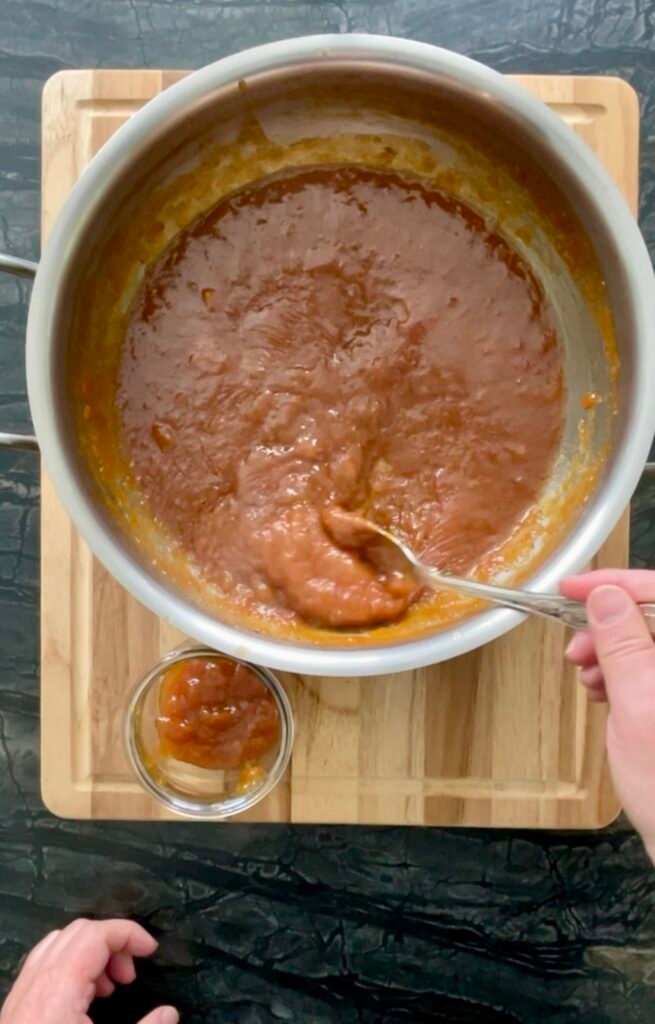
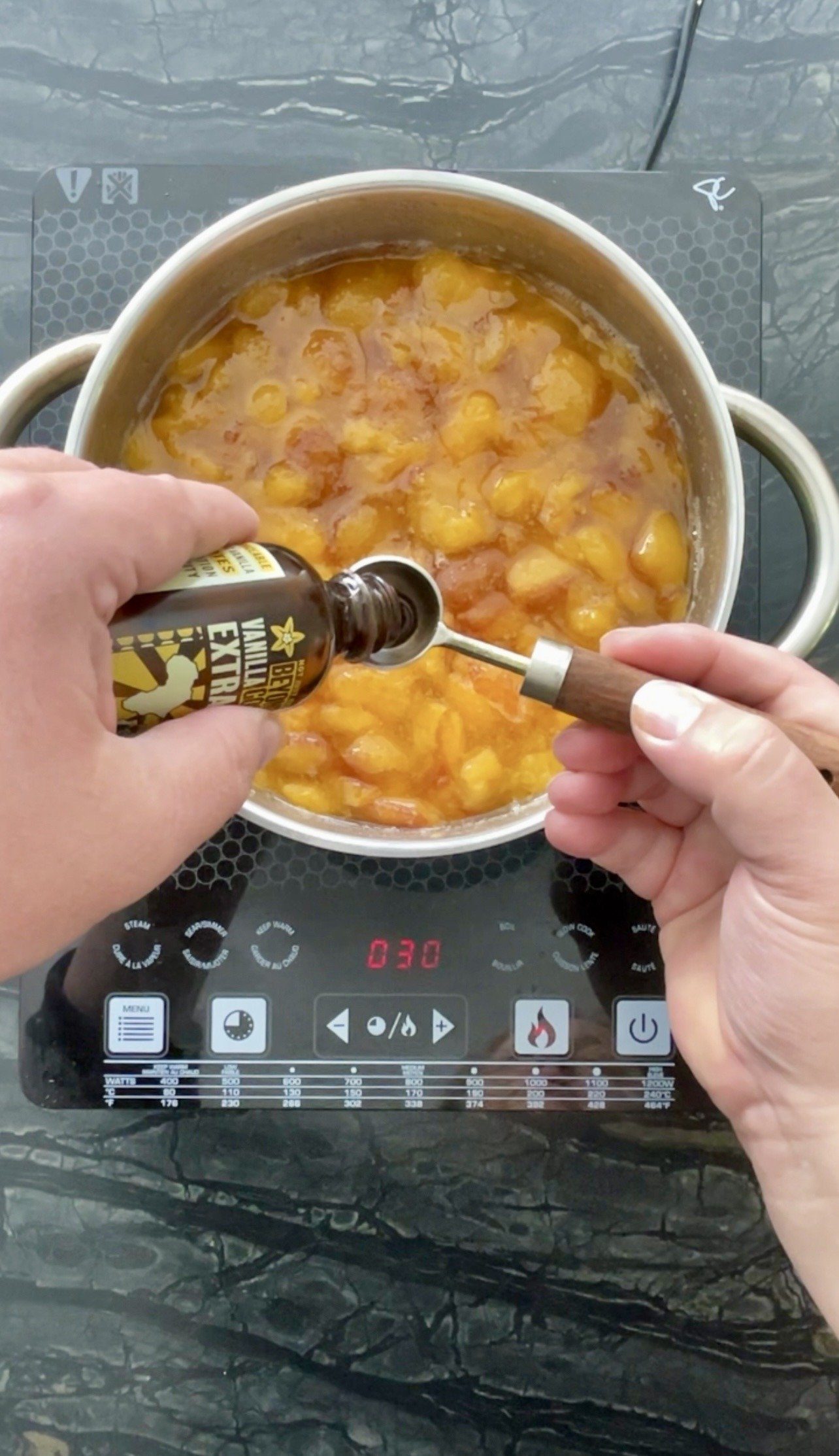
How to Make Apricot Peach Confiture with Lavender – Step-by-Step Photo Gallery
What to Serve with Peach Apricot Lavender Jam
This isn’t the kind of jam you spread only on toast and forget about. Its texture and delicate hint of lavender make it just as comfortable on a breakfast table as it is on a dessert plate or cheese board. Here are a few of our favourite ways to enjoy it.
Breakfast Worth Slowing Down For
Spread it generously on warm croissants, brioche, sourdough toast, or freshly baked scones. It’s equally delicious swirled into plain Greek yogurt, spooned over oatmeal, or tucked inside buttery crêpes for a simple French-inspired breakfast.
Build a Beautiful Cheese Board
Peaches, apricots, and lavender were made for creamy cheeses. Serve this jam alongside Brie, Camembert, triple cream, fresh chèvre, or mild goat cheese. Add toasted almonds, walnuts, fresh grapes, and a crusty baguette, and you’ve got an effortless appetizer that looks far more impressive than the work involved.
Dress Up Everyday Desserts
A spoonful transforms an ordinary dessert into something special. Try it over vanilla ice cream, cheesecake, panna cotta, or rice pudding. It also makes an excellent filling for sponge cakes, and layer cakes
Don’t Forget Savoury Dishes
Like many stone fruit preserves, this jam isn’t just for sweets. Warm it gently and brush it over roasted pork, duck, or grilled chicken during the last few minutes of cooking. It also makes a wonderful accompaniment to baked Brie wrapped in puff pastry.
Inspired by Fauchon’s own recommendation – try drizzling our jam over a summer salad of warm roasted peaches, creamy burrata, and fresh arugula with a touch of olive oil and balsamic vinegar.
FAQ
It follows a traditional confiture rhythm rather than a quick-jam one: macerate overnight, cook briefly, rest, cook again, rest again (optional), then finish.
Spreading the process out lets the fruit concentrate in stages, which is part of why the total sugar needed is lower than a same-day, one-boil jam would require. The optional overnight rest after the second cook can be skipped if you’re short on time.
Yes, but you’ll lose some of the natural pectin apricots contribute (especially from their skins), so a peaches-only batch will set softer. Expect to adjust cook time either way.
Correct! Nothing gets peeled in this recipe. The skins soften completely over the overnight macerate and multiple cook cycles, and they contribute color and a bit of natural pectin along the way.
You can skip it, but you’re then making a fully pectin-free confiture, which typically needs close to equal parts fruit and sugar by weight and a longer reduction to set reliably. This recipe’s lower sugar ratio is built around using a modest amount of pectin. I you remove it, you’ll likely need to adjust both the sugar and the cook times, especially since peaches make up a bit more than half the fruit here and aren’t contributing much natural pectin of their own.
English lavender (Lavandula angustifolia) is. Other varieties, including lavandin, aren’t meant to be eaten. They’re grown for essential oil, sachets, and ornamental use, not food, and carry far more camphor than English lavender does. Check the label for that specific botanical name; “lavender” or even “culinary lavender” alone isn’t a guarantee.
It shouldn’t, as long as you use English lavender (Lavandula angustifolia) and nothing else. Lavandin, the hybrid grown mainly for essential oil, isn’t meant for eating. What’s more, its camphor content is too high, and it’s what actually causes that soapy, medicinal taste people associate with “bad” lavender.
You can, but that’s not how this recipe is build. You should leave them in for a rustic look, the same way many French confitures do. If you do want to remove them, tie the buds in a muslin or cheese cloth sachet during Step 1 and remove it before the final cook.
Yes. Thaw them fully first and add any accumulated juice to the pot. That melted juice carries natural pectin and flavor you don’t want to lose.
Taste isn’t a reliable measure of pH. Peaches and apricots sit close to the edge of what’s considered safely acidic for water bath canning, so added acid brings the batch reliably into a safe range regardless of how any individual fruit tastes. Learn more about food acidity
Related Recipes
Reduced Sugar Peach Jam Preserve Recipe
A simpler, lower-sugar, same-day peach jam built around a low-sugar pectin formula. A good option if the multi-day schedule in this recipe isn’t for you.
Sweet Tart Yellow Mirabelle Plum Jam Recipe
Another Fauchon-inspired French confiture, with its own macerate-rest-cook rhythm and the same Pomona’s/standard pectin choice to make.
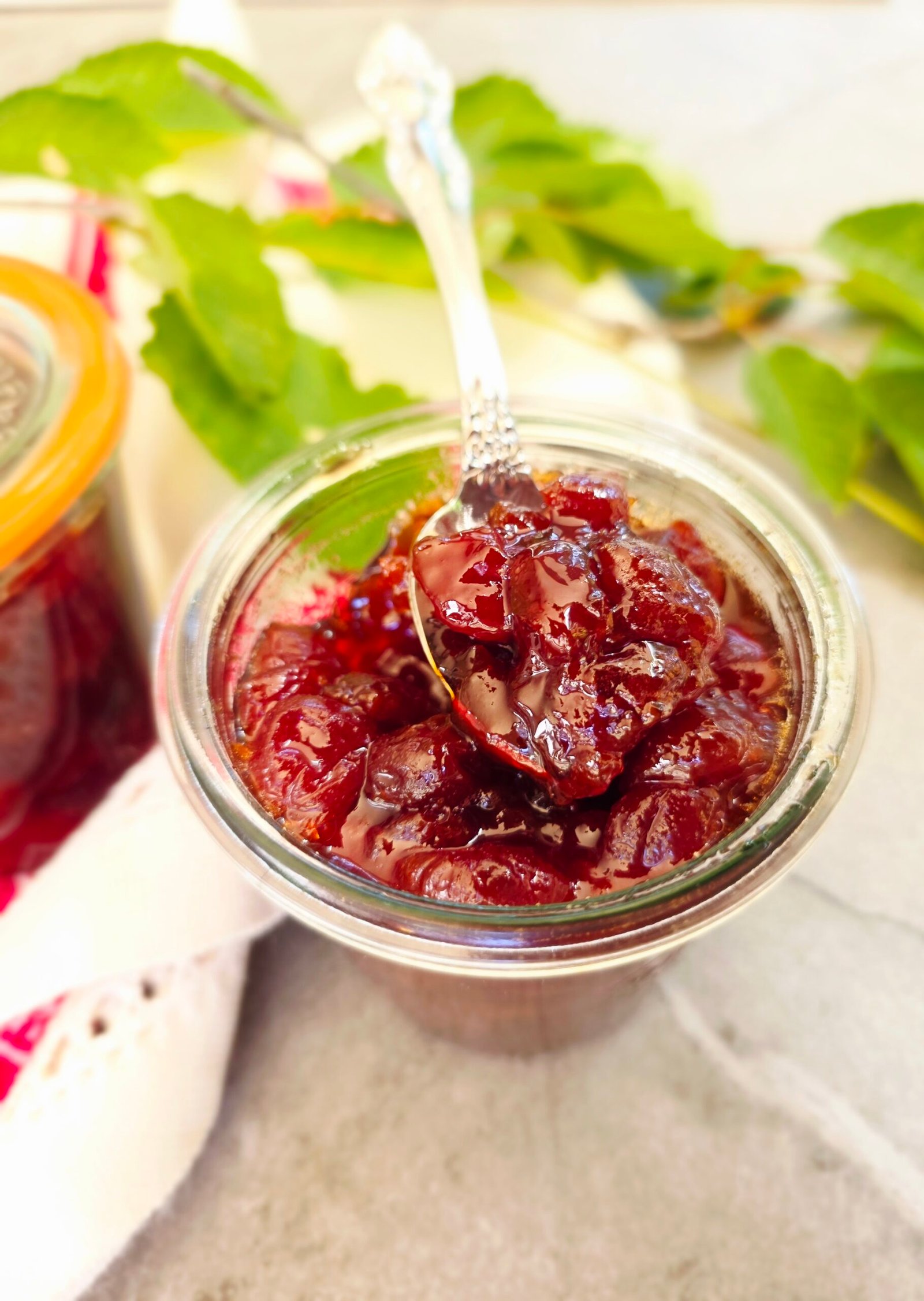
Sour Cherry Jam Canning Recipe
Another European-style preserve built around short cook cycles and careful acid balance.
Join the pantry
Fresh recipes when the season calls for them. Preservation guides you can trust – every method, traditional to modern. Ideas for turning your pantry into weeknight dinners. Seasonal alerts that help you preserve more for less. Honest reviews of the tools that matter.
Tried this preserve? We’d love to hear how it turned out!