Cranberry Orange Jam With Leftover Cranberry Pulp
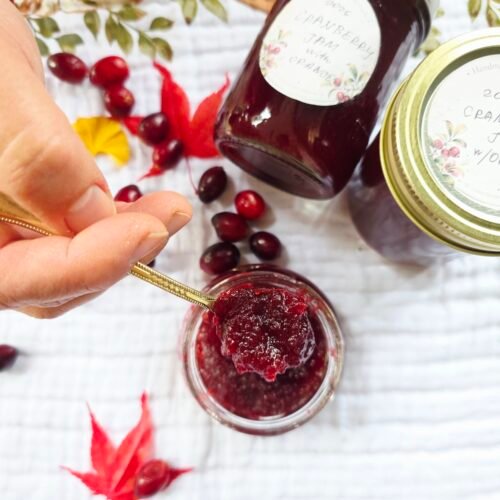
Cranberry orange jam made with the pulp left after making cranberry juice. Tart and sweet, with orange, allspice, cinnamon and a pinch of timut pepper.
🔪 Prep:
20 min
🫕 Cook:
10 min
🫙Yield:
4 half-pint jars
💰Cost per jar*:
$0.40 USD / $0.27 CAD
*Based on using leftover cranberry pulp from making juice
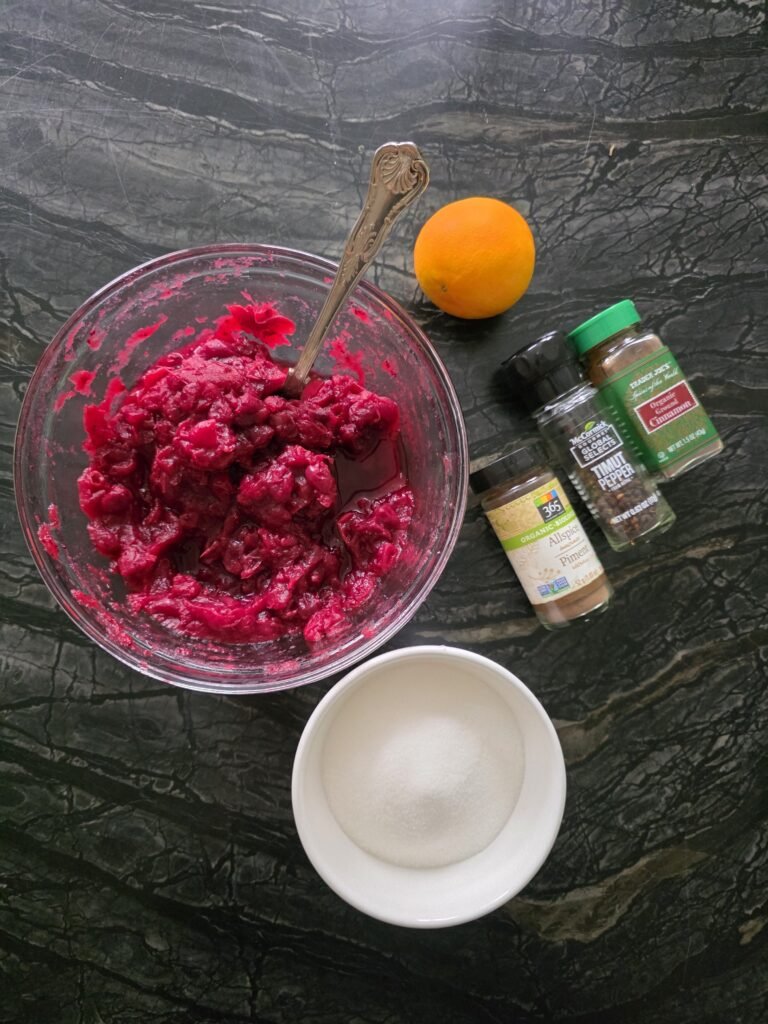
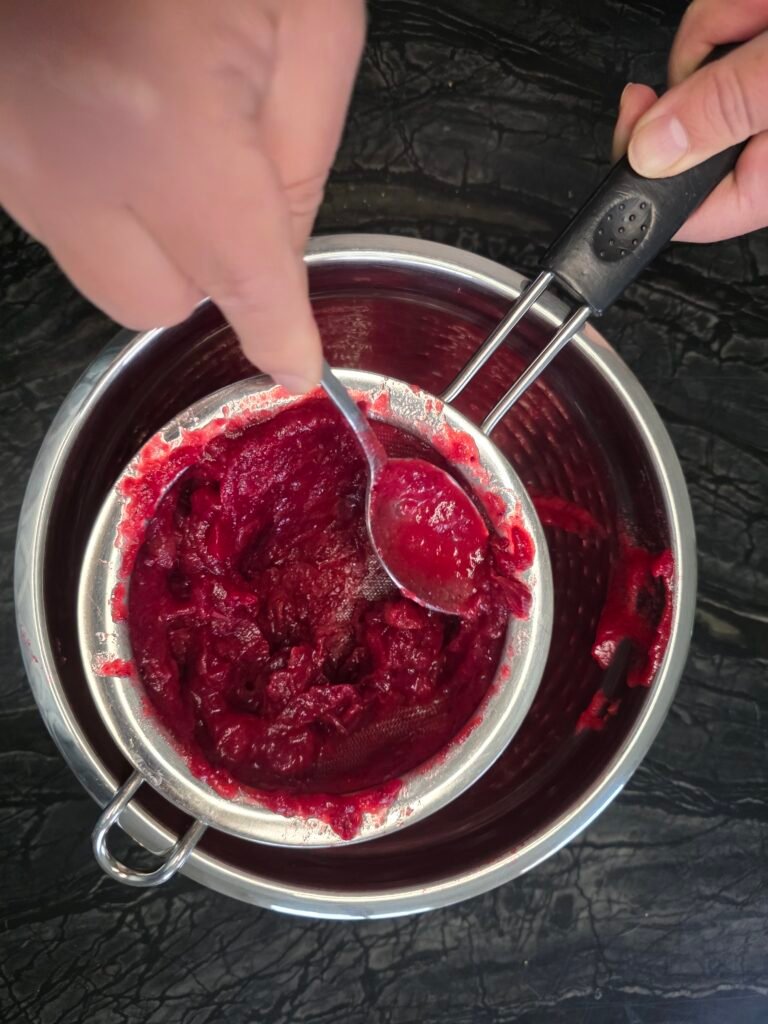
This cranberry orange jam starts with the pulp left in the strainer after making cranberry juice. We don’t strain the pulp dry, so it stays moist, with some juice and whole berries that didn’t burst during the cooking of the cranberries staying behind. It is a perfect base to make a batch of cranberry jam!
Why You’ll Love This Cranberry Orange Jam
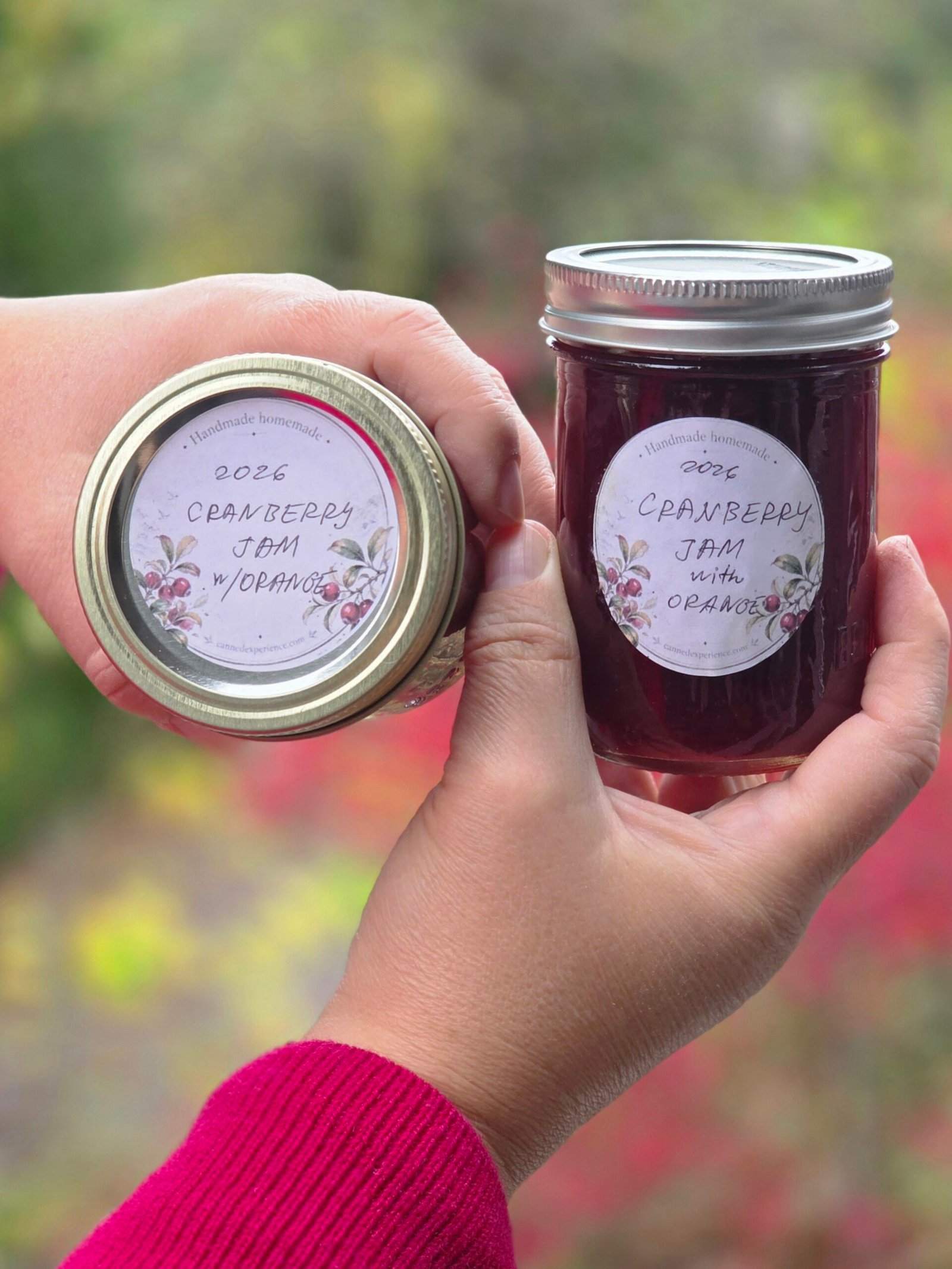
- A little holiday spirit at breakfast: This is the jam we reach for all December. Cranberry, orange and warm baking spices turn an ordinary breakfast into something that smells like the holidays before you’ve even poured your coffee.
- A pantry jam, or a fridge jam: Want to keep it on the shelf? You can process it in a water-bath or atmospheric steam canner. Not interested in canning? Simply refrigerate it and enjoy it as a refrigerator jam.
- A lovely homemade gift (Christmas jam or Thanksgiving jam): Take a jar along when visiting family over Thanksgiving, or tuck one into a Christmas gift basket with homemade cookies or other baking.
- No added pectin: Skip the pectin when making this jam! Cranberries have plenty of their own.
- Two preserves from one batch: Make cranberry juice first, then turn the pulp left in the strainer into another homemade preserve. No reason to throw away perfectly good cranberry pulp.
- Cranberry and orange belong together: The orange blends into the cranberry rather than overpowering it. Allspice, cinnamon and a pinch of Timut pepper add just enough warmth.
A Note on Cranberry Nutrition:
As per University of Maine Cooperative Extension, one cup of raw cranberries has about 47 calories, 4 grams of fiber, and 13 mg of vitamin C. That’s around 14% of what you need for the day. Cranberries are also one of the best natural sources of A-proanthocyanidins, the antioxidant compounds.
What to Do With Leftover Cranberry Pulp
When we strained the cooked cranberries to make cranberry juice, we ended up with about 6 cups of moist cranberry pulp left in the cheesecloth. Normally, we don’t squeeze the cheesecloth because that makes the juice cloudy, but we also don’t try to strain the pulp dry. No surprise, then, that there was still plenty of juice in the pulp, along with some whole berries that didn’t burst during cooking. Simply put, what we had in that bowl of leftover cranberry pulp was far from just skins and scraps.
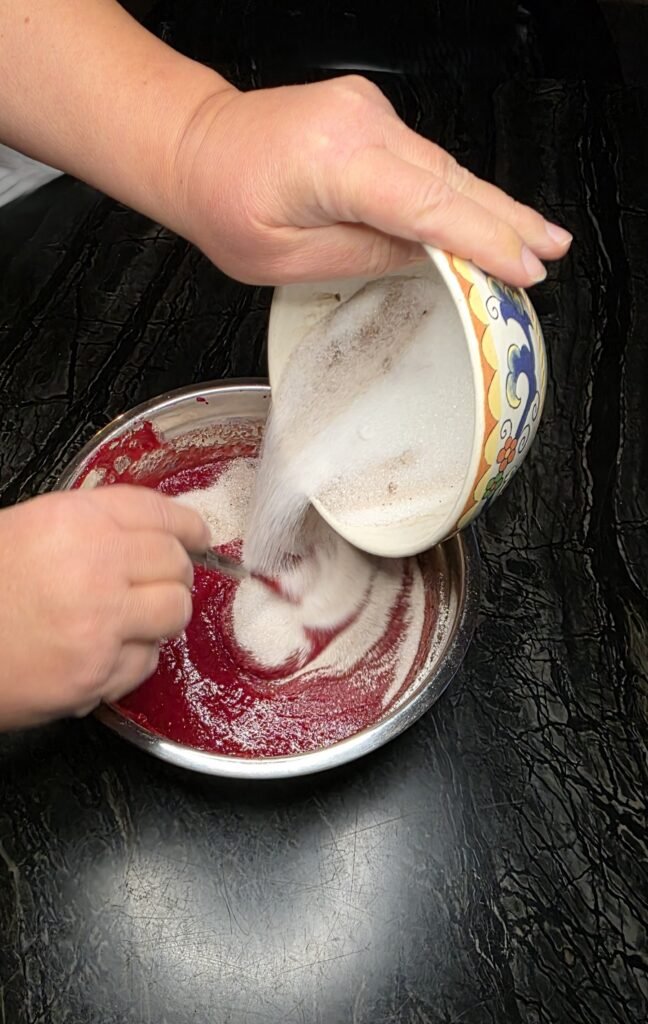
To rewind a little, we had bought cranberries at the farmer’s market for $1.45 a pound. Two pounds gave us three 500 ml jars of cranberry juice, which wasn’t bad at all for a $2.90 purchase. But once we had finished canning the juice, there was that big bowl of perfectly usable cranberry pulp sitting on the table. Throwing it away just didn’t make sense. We decided to put it to good use and make jam. We added sugar, an orange and a few spices, and ended up with four half-pint jars of cranberry orange jam. No store-bought pectin needed!
And it turned out to be such a fantastic jam! There’s something about cranberry, orange and cinnamon that immediately makes us think of the holidays. We almost wished we had a fire crackling in the fireplace, a Christmas tree in the corner and snow outside. Instead, it was still reasonably warm and raining, as it often does here. We’re not complaining, though. It gives us another excuse to make more cranberry preserves.
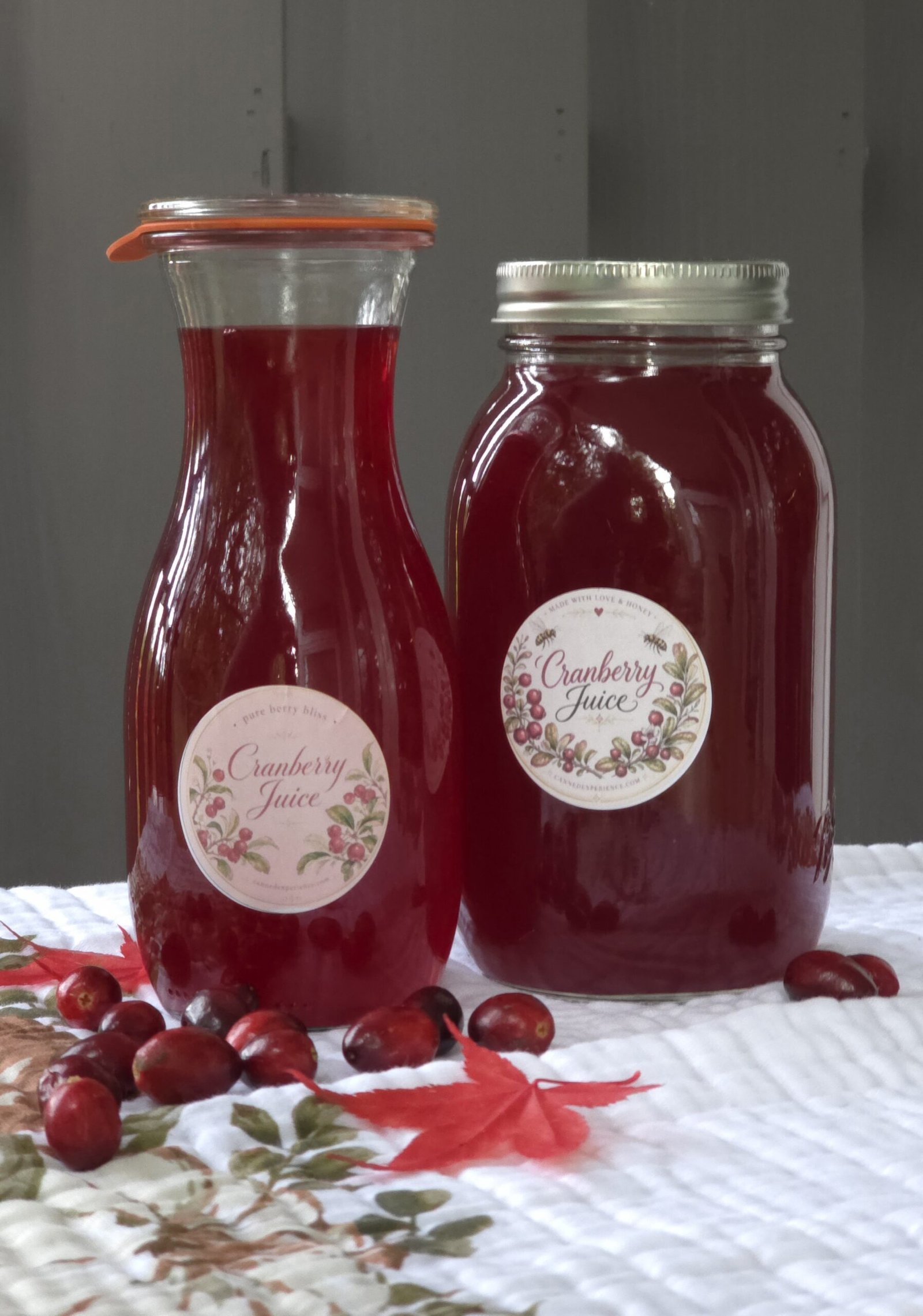
You can see how we make the juice in our canned cranberry juice recipe.
Cranberry Orange Jam: Key Ingredients
Cranberry Pulp
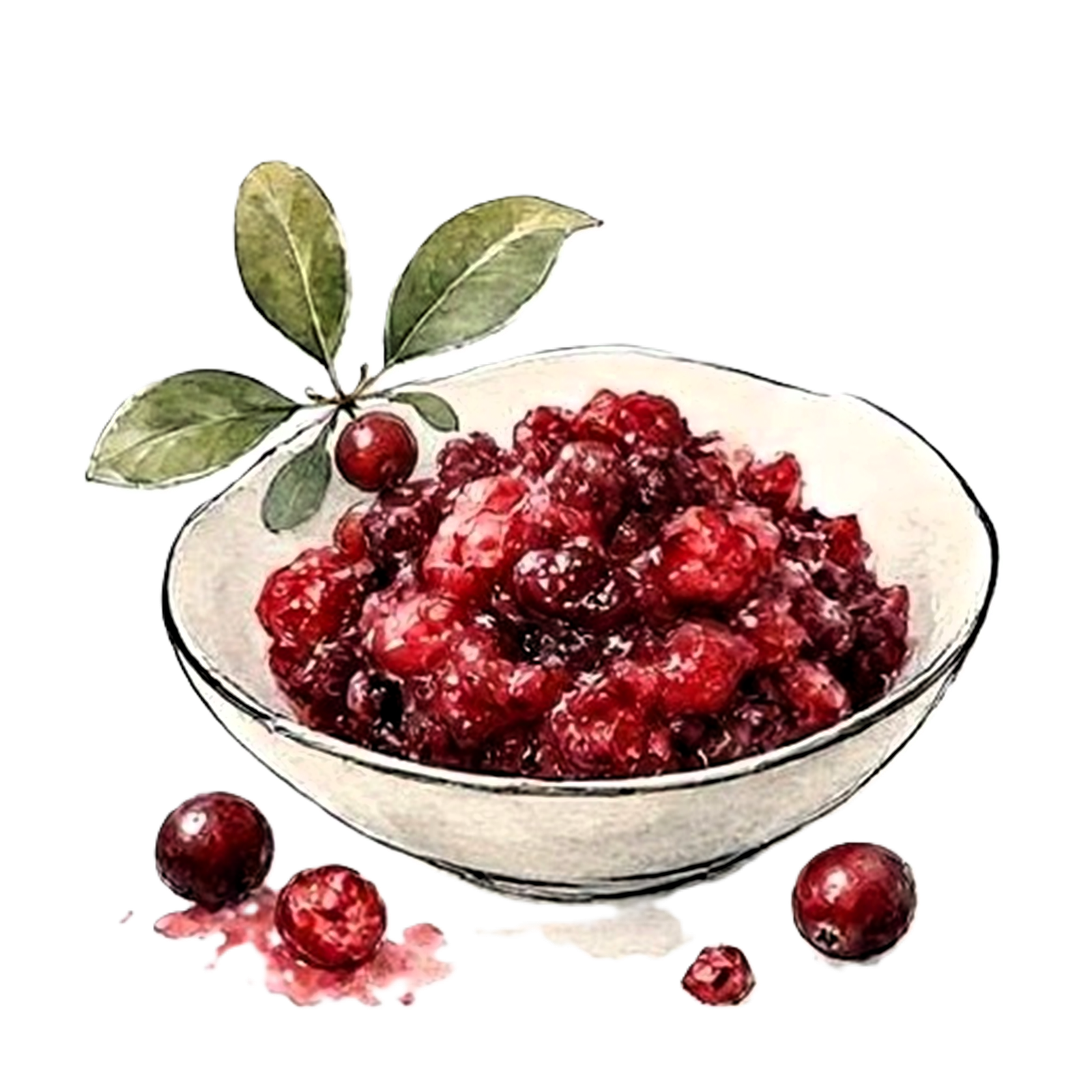
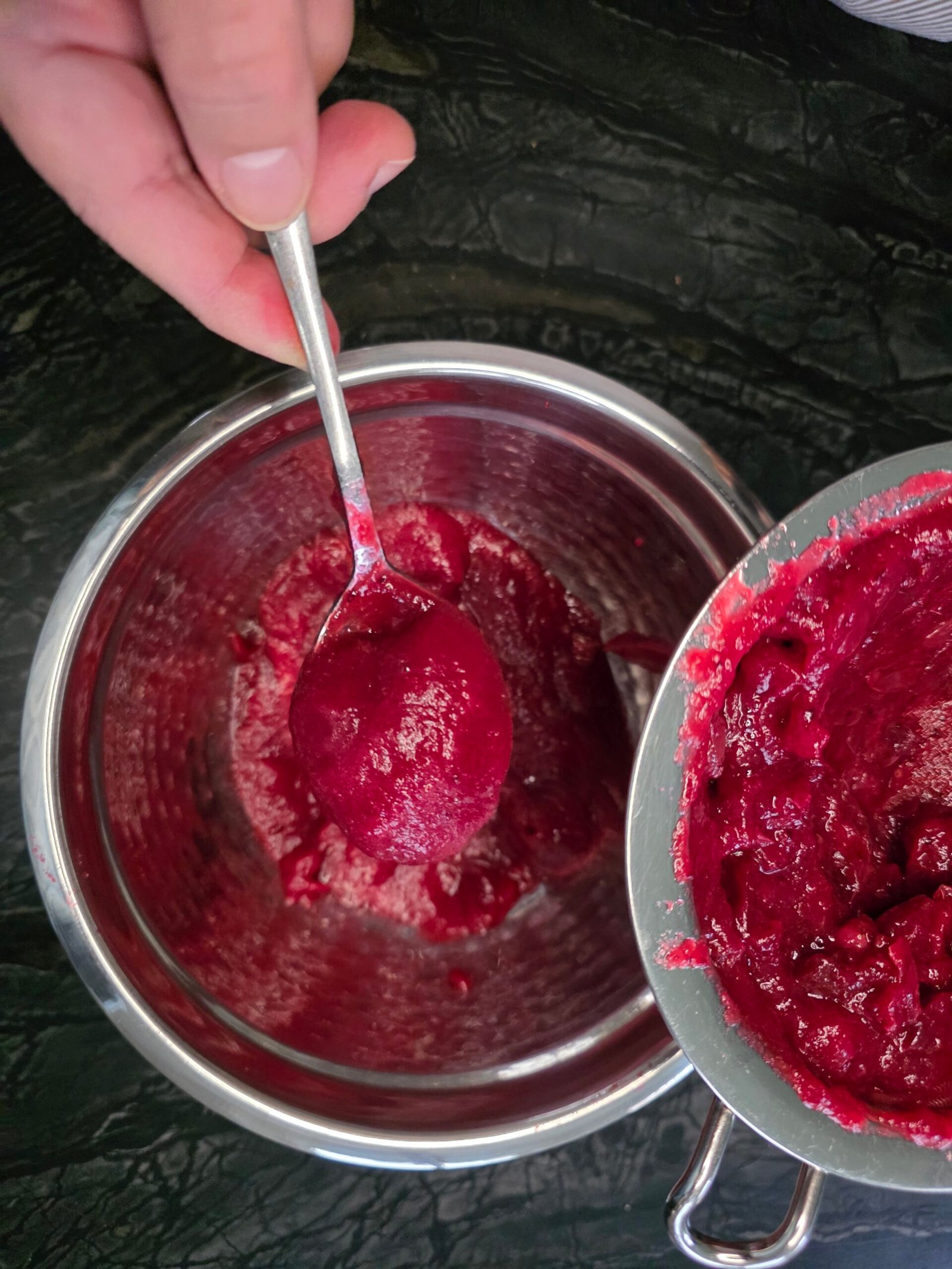
We use the moist cranberry pulp left after making cranberry juice. We don’t squeeze the cheesecloth dry, so the pulp still contains some juice and whole berries that didn’t burst during cooking. That’s what makes it such a good base for this jam.
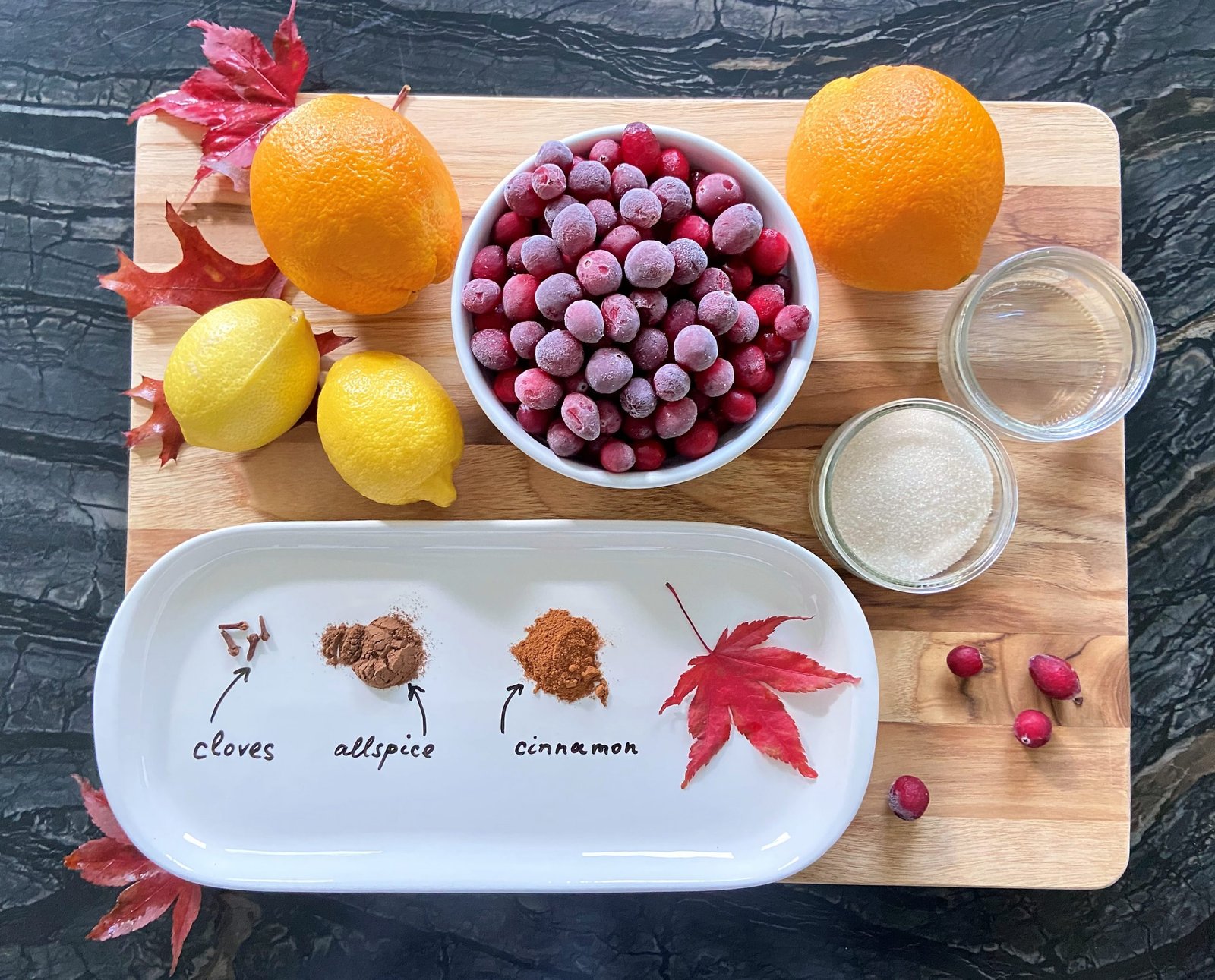
- Substitution: You can use fresh or frozen cranberries instead of leftover cranberry pulp. Simply cook 4 cups of berries with ¾ cup water until the berries soften and burst, then use the cooked mixture.
Orange Juice and Zest
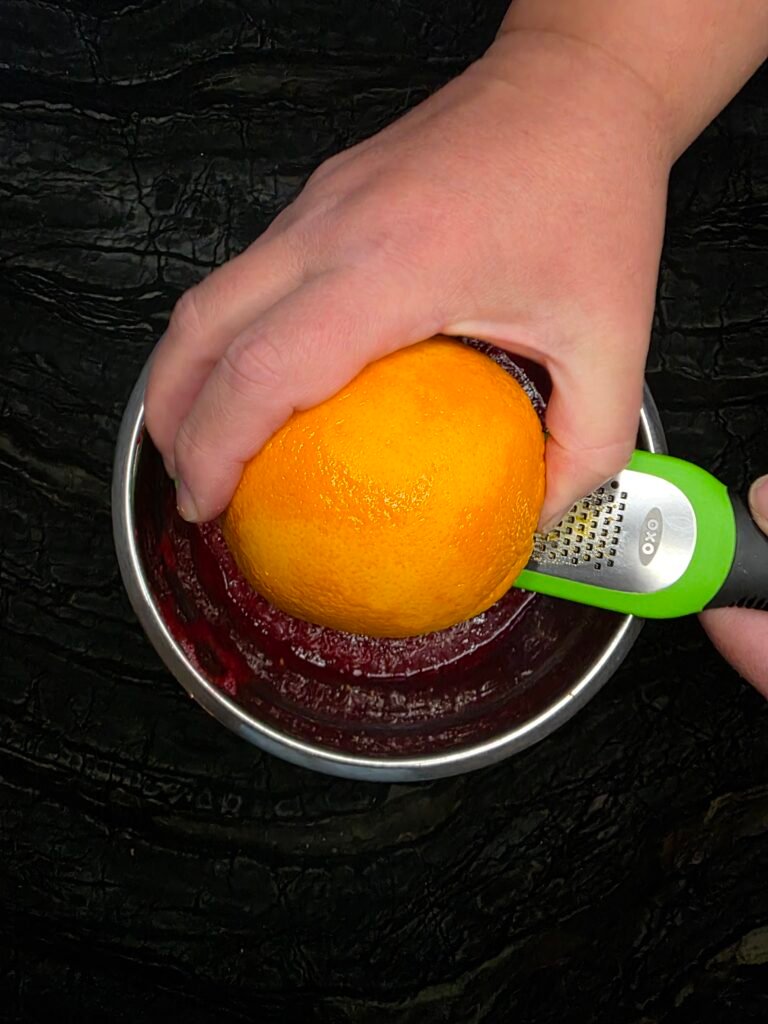
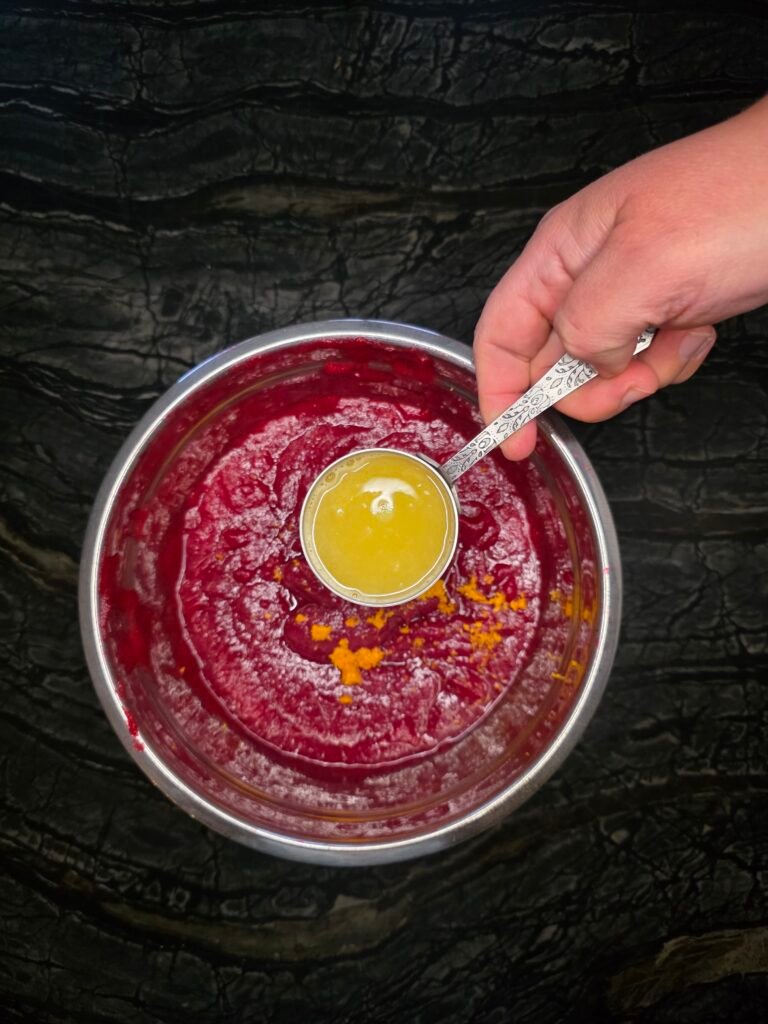
We use both orange juice and zest because they bring slightly different things to the jam. The juice adds liquid and a mild orange flavour, while the zest gives it a more fragrant citrus note.
- Substitution: Orange extract can stand in for the orange flavour, but it doesn’t replace the liquid from the juice. If your cranberry pulp is very dry, you’ll need to replace that lost liquid. We recommend using cranberry juice to make up the difference.
Allspice, Timult Pepper and Cinnamon
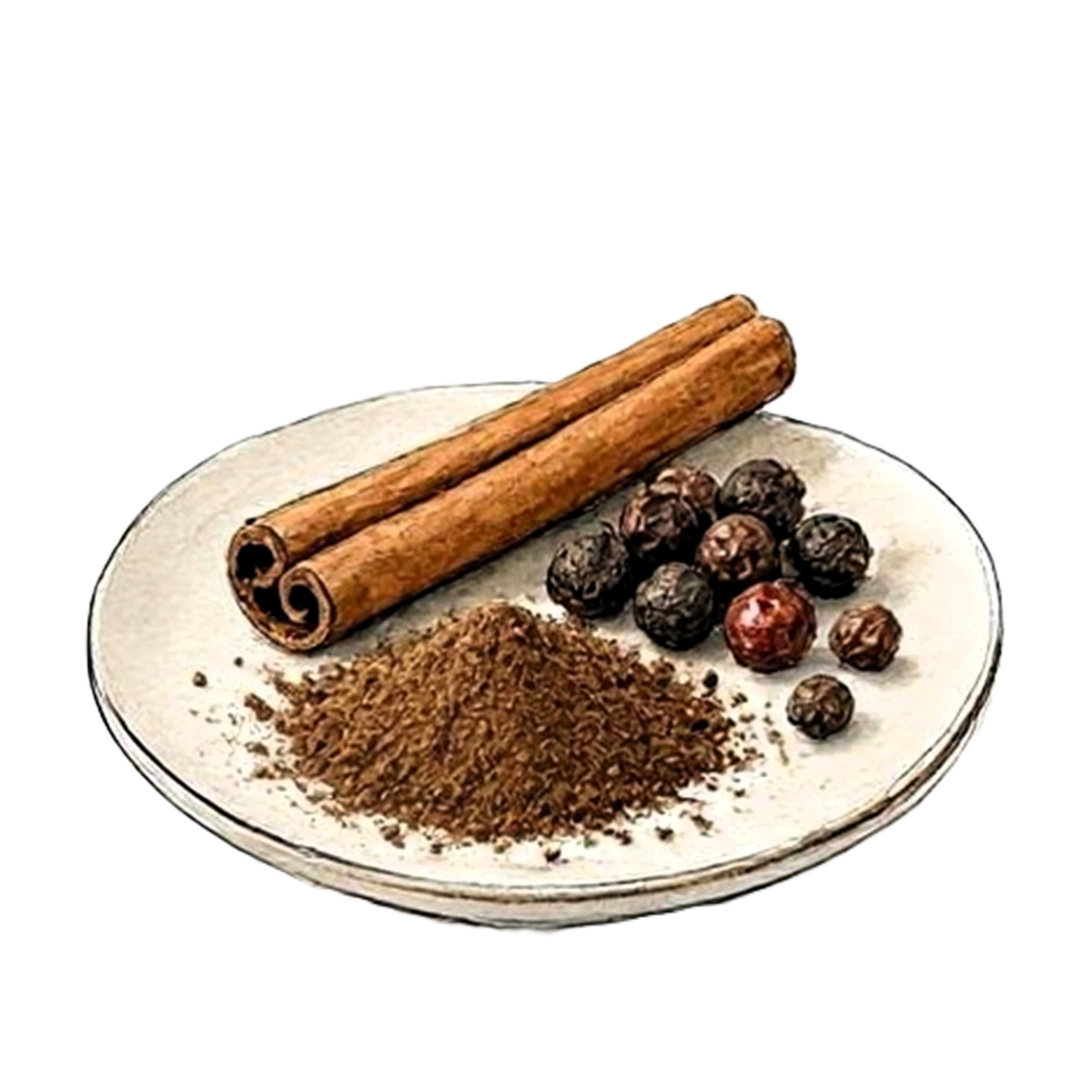
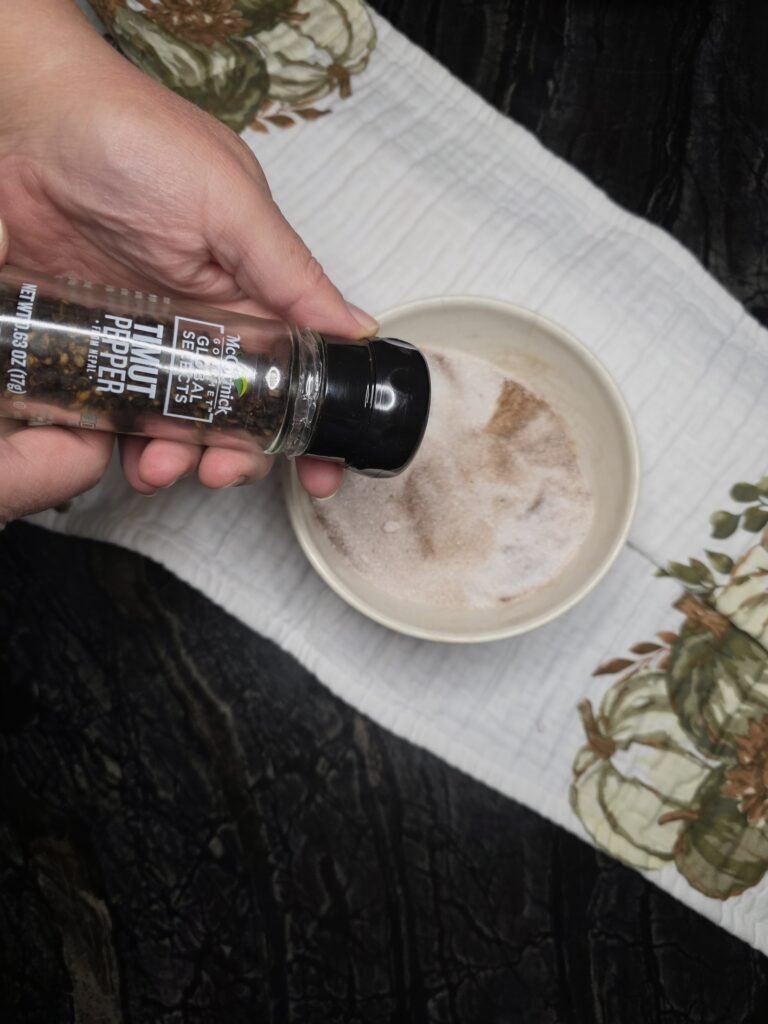
Allspice brings a warm, slightly nutty flavour with hints of clove, cinnamon and nutmeg to the cranberry orange jam. Cinnamon adds that familiar winter-baking flavour, while Timut pepper gives a subtle citrusy note.
- Substitutions: You can substitute ground cloves for allspice, but use less because they’re stronger. If you don’t have Timut pepper, use a small pinch of ground Sichuan peppercorns or leave it out.
What This Cranberry Orange Jam Costs to Make
One of the nice things about making cranberry orange jam with leftover pulp is that the cranberries have already been used to make juice. We don’t count their cost twice. Instead, we’re looking at what it costs to turn that leftover pulp into another homemade preserve.
For four half-pint (250 ml) jars, we spent approximately $1.60 USD or $1.09 CAD on sugar, an orange and spices. That’s just $0.40 USD or $0.27 CAD per jar.
| INGREDIENT | USD | CAD |
| Cranberry pulp (left from making juice) | $0.00 | $0.00 |
| Granulated sugar (600 g) | $0.98 | $0.72 |
| Spices | $0.10 | $0.11 |
| Orange (one small, about 0.3 lb) | $0.52 | $0.27 |
| Total batch (3 pint jars / 3 x 500 ml) | $1.60 | $1.09 |
Cost per Jar: ~$0.40 USD / ~$0.27 CAD
💡Bonus: Did we mention the cranberry juice? Yes! The pulp for this jam came from the 9 cups of cranberries we used to make three pints (500 ml) jars of cranberry juice. So, from the same batch of cranberries, we got three jars of juice and four jars of cranberry orange jam!
Common Mistakes When Making Cranberry Jam With Leftover Pulp
❌ Starting with cranberry pulp that’s too dry: The pulp should look like a chunky, mashed cranberry sauce, not a pile of dry skins and seeds. If yours is much drier, add a little cranberry juice to bring it back to that consistency before cooking.
❌ Adding too much orange juice: It’s tempting to add more for a stronger orange flavour, but we use only ¼ cup. Extra juice isn’t a disaster, but it adds liquid that has to cook off, so you’ll need to simmer the jam longer to reach the right consistency.
❌ Adding too much orange extract: Extract is potent, and a little goes a long way. Start with ¼ teaspoon, taste the mixture, and add another ⅛ teaspoon only if you think it needs more. Don’t automatically reach for a whole teaspoon. You can always add more, but you can’t take it out.
❌ Letting the jam set in the pot before canning: This happened to us once when we had to leave the house unexpectedly. The jam set while we were away. We reheated it until it became fluid enough to jar, but the finished jam had a more sauce-like texture and lost some of its glossy appearance. Cranberries release natural pectin as they cook with sugar, so once the jam has set, reheating can change its texture.
❌ Forgetting to adjust for altitude: Water boils at a lower temperature at higher altitude, so the jars get less heat. Use the times in the processing chart. Use this tool to check your altitude for canning first.
Cranberry Orange Jam With Leftover Cranberry Pulp
Canning Methods
Processing Table for Cranberry Orange Jam
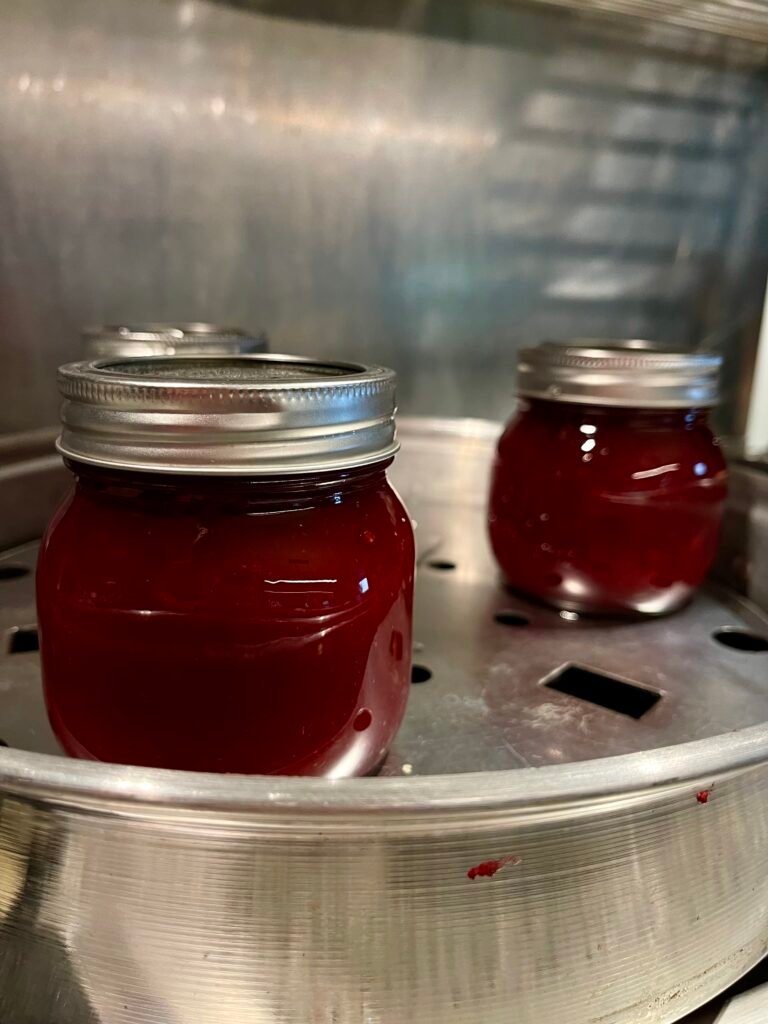
Process the jars in a boiling water bath or steam canner according to the recommended processing time in the table below. Adjust for altitude.
Jar size: 250 mL (half-pint)
Pack style: Hot
Applies to: Water bath canner/ Atmospheric steam canner
| Altitude | Processing time |
| 0–1,000 ft | 5 min |
| 1,001–6,000 ft | 10 min |
| Above 6,000 ft | 15 min |
Not sure which elevation band is yours? Our Canning Altitude Calculator will give you the answer in a couple of seconds.
After processing, remove jars from the canner and cool undisturbed for 12–24 hours. Check the seals, remove the bands, label, and store in a cool, dark place for up to one year.
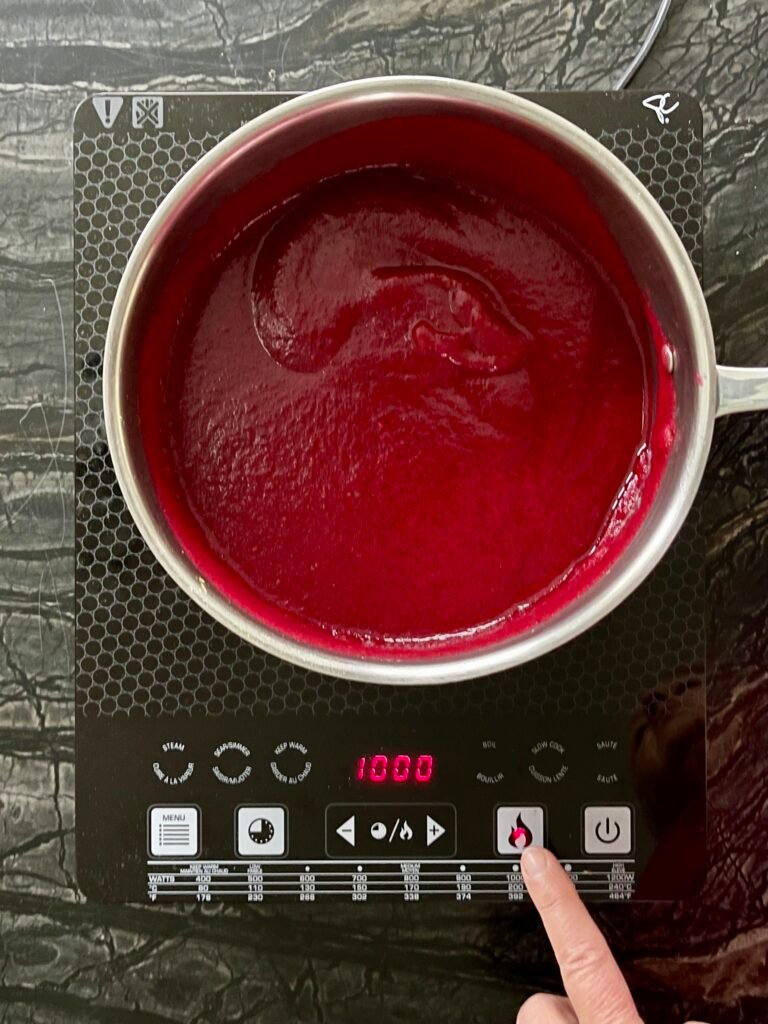
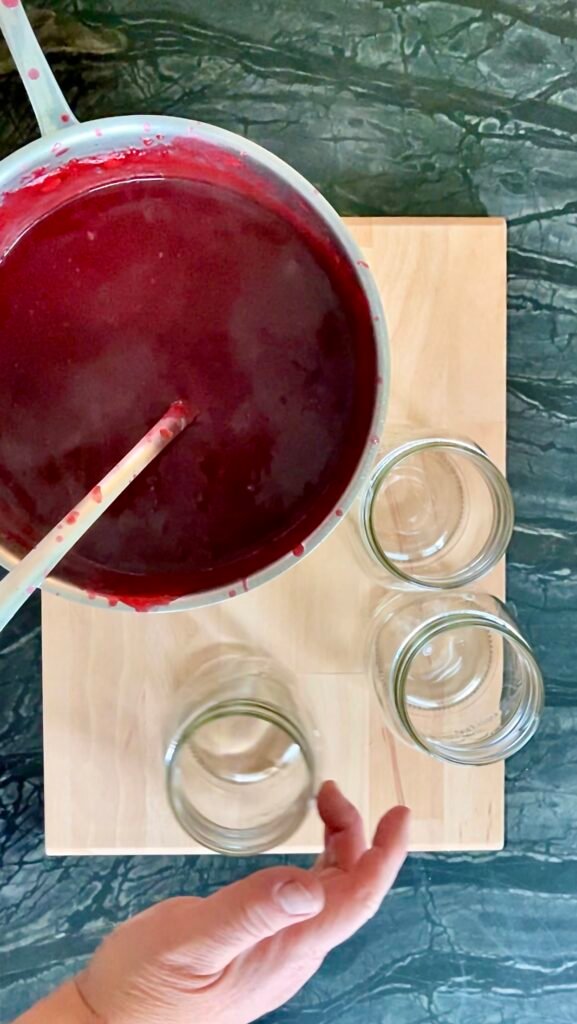
How to Make Cranberry Jam – Step-by-Step Overview
How to Serve Cranberry Orange Jam
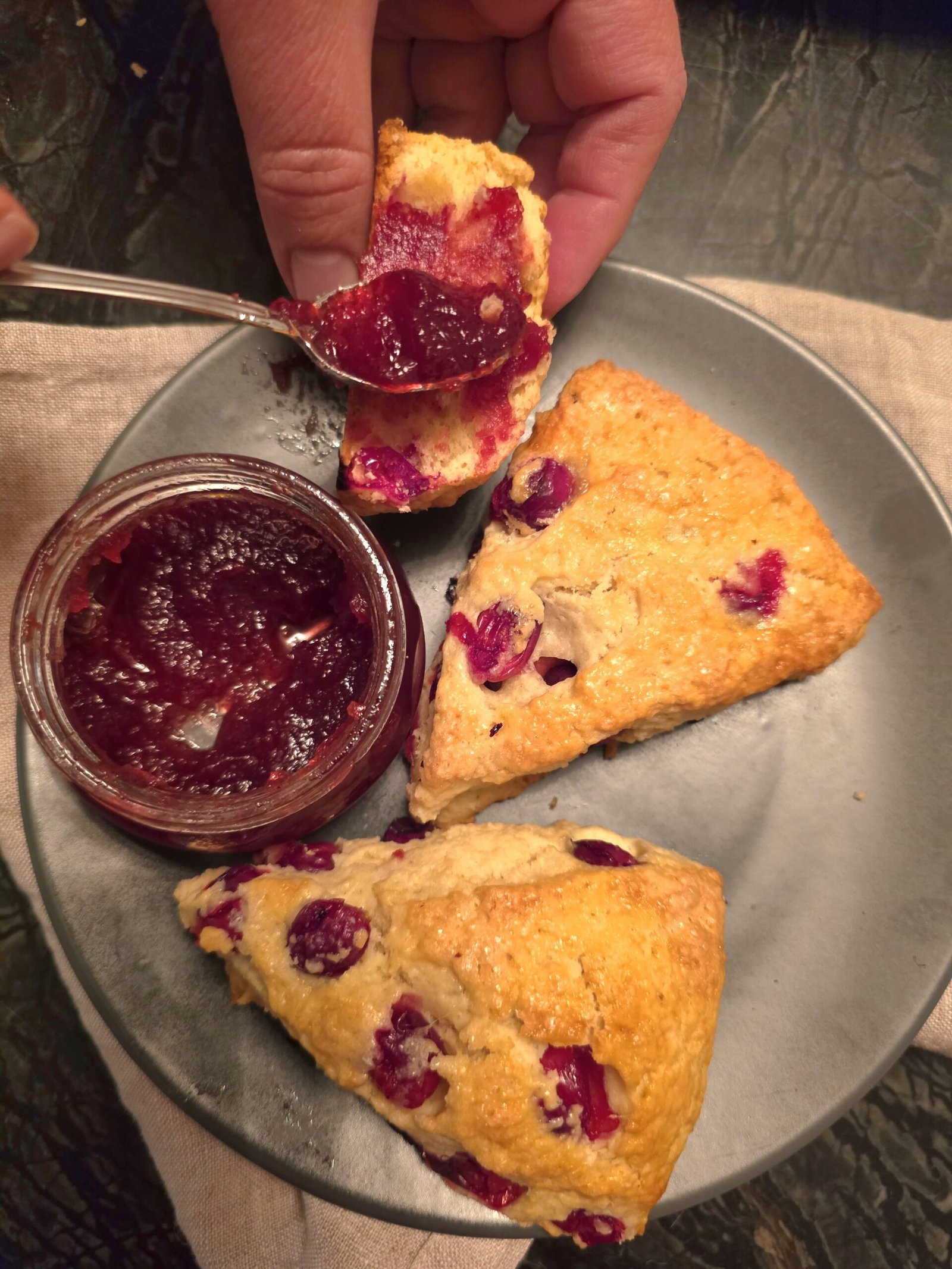
With all that cinnamon and sweetness, this is a lovely jam to bring out during the holidays. We would pair it with something creamy, buttery or not too sweet.
- Cream cheese and bagels: A generous swipe of cream cheese with a little cranberry jam can turn an ordinary breakfast into a special occasion.
- Brie or Camembert: Put a small bowl of jam on a cheese board and serve it alongside soft, creamy cheeses and plain crackers.
- Thumbprint cookies: Use it to fill buttery shortbread cookies. The cinnamon and orange make it feel right at home in a Christmas cookie assortment.
- Puff pastry or cake: Spread a little jam over puff pastry, fold it into turnovers or roll it into pinwheels. You can also use it between cake layers, alternating cranberry orange jam with buttercream.
- Pancakes and French toast: Add a spoonful alongside a little unsweetened whipped cream.
- Plain yogurt: Stir a small spoonful into plain Greek yogurt. You don’t need much because this jam is already quite sweet.
FAQ: Canning Cranberry Orange Jam
No. Cranberries naturally contain plenty of pectin, so we don’t add any commercial pectin to this cranberry orange jam. The cranberries, sugar and cooking do the work. That’s one reason we like making jam with leftover cranberry pulp: there’s still plenty of fruit and natural pectin in it.
━━━━━━━━━━━━━━━━━━━━━
Think of chunky, mashed cranberry sauce. The pulp should still be moist, with some juice and pieces of cranberry in it. If it looks dry, like a pile of skins and seeds, it’s not suitable for making jam.
━━━━━━━━━━━━━━━━━━━━━
Yes, but gently: warm it over medium-low heat until it loosens up. It won’t look quite the same afterward; expect a thicker, more sauce-like texture instead of that glossy set (see “Letting the jam set in the pot” above for what happened when we tried this ourselves). Best to can it while it’s still hot and pourable the first time around.
━━━━━━━━━━━━━━━━━━━━━
Yes. If you haven’t made cranberry juice first, you can use whole cranberries to prepare the fruit base. Cook 4 cups of fresh or frozen cranberries with ¾ cup water until the berries soften and burst. There’s no need to thaw frozen cranberries first. The mixture should resemble chunky cranberry sauce rather than dry fruit pulp. Use the cooked mixture as your cranberry base.
━━━━━━━━━━━━━━━━━━━━━
We developed this recipe using established canning guidelines for high-acid fruit jams. We follow NCHFP recommendations for processing times and adjust for altitude. The NCHFP provides tested recipes and general canning guidance, but it doesn’t test every recipe developed by home preservers like us.
━━━━━━━━━━━━━━━━━━━━━
Related Recipes

Join the pantry
Fresh recipes when the season calls for them. Preservation guides you can trust – every method, traditional to modern. Ideas for turning your pantry into weeknight dinners. Seasonal alerts that help you preserve more for less. Honest reviews of the tools that matter.
Tried this preserve? We’d love to hear how it turned out!