30 + Best Tested Tomato Canning Recipes
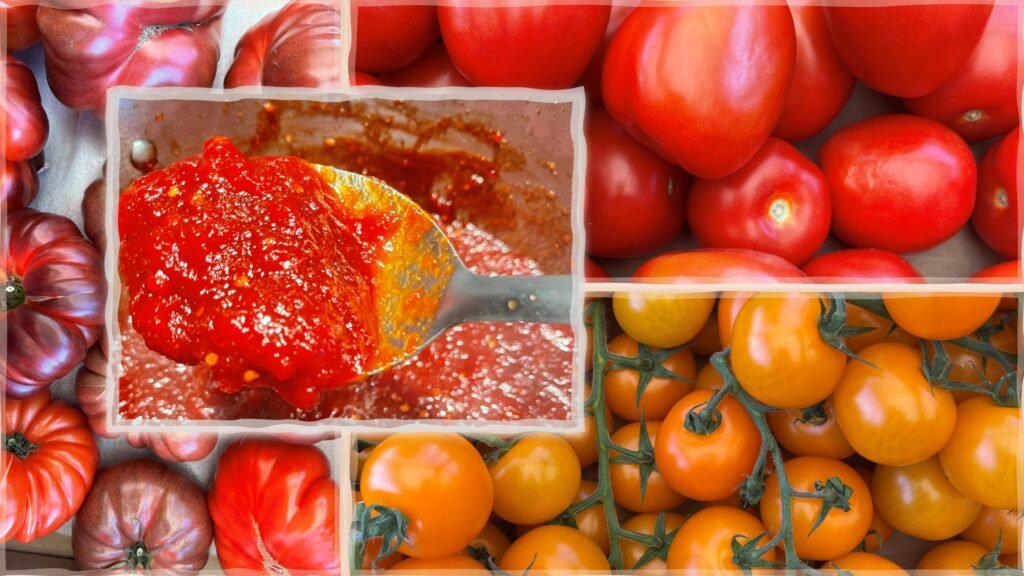
Thirty-plus tested tomato canning recipes, straight from the USDA/NCHFP, Ball, Bernardin, and university Extension research – whole tomatoes, sauces, salsa, ketchup, chutney, and more.
A roundup of tested tomato canning recipes sounds like it’s only for canners who won’t touch anything without a lab stamp on it. Maybe not. Look at what’s actually here: not the same five basics you’ve seen a dozen times, but 30+ recipes handpicked for flavor and variety from USDA/NCHFP, Ball, Bernardin, and university Extension research.
Turns out “tested” doesn’t have to mean boring. Some of the most interesting tomato preserves we found are hiding in university Extension publications and older canning collections.
Whichever way you use your tomatoes, every tested tomato canning recipe below links straight back to its original source, so you can read the full method before you start.
What Makes a Canning Recipe “Tested”?
If you’re new to canning, you’ll see “tested” used everywhere: in recipe cards, comments sections, canning groups – often without much explanation of what it actually means. So, this is what ‘tested’ means and why it matters whether you’re working through your first case of tomatoes or your thirtieth tomato canning season:
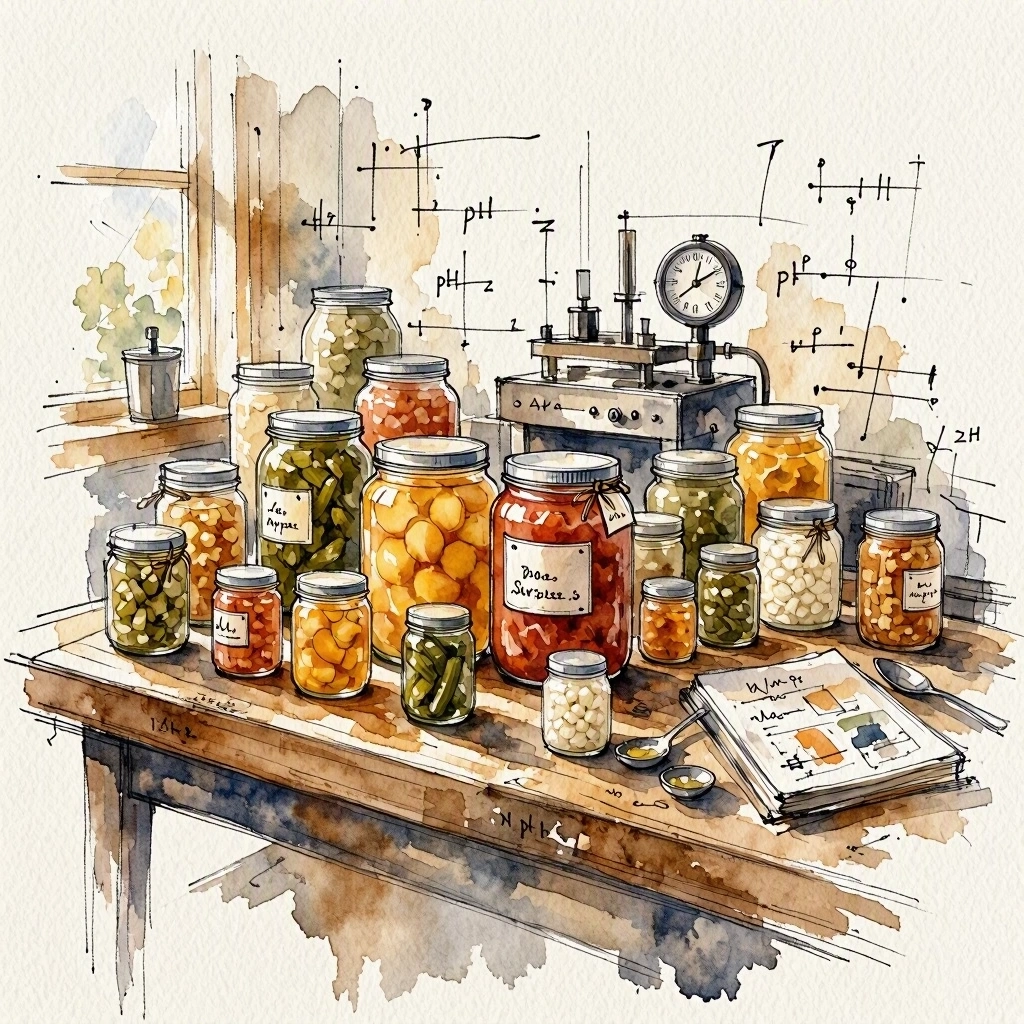
- National Center for Home Food Preservation (NCHFP)/United States Department of Agriculture (USDA)-tested canning recipes are developed and lab-verified by food scientists. These recipes have their pH measured and processing times calculated by actual heat penetration studies.
- University Extension-published canning recipes. Most Extension offices republish NCHFP’s own tested recipes under their own branding. A smaller number (Oregon State, NDSU, the UC Master Food Preserver Program) have developed and tested their own.
- Ball- and Bernardin-tested canning recipes. These recipes are tested in-house by each brand’s own food scientists. This is not an academic or government body, but it is trusted enough that Extension offices themselves often point home canners toward Ball and Bernardin’s much larger recipe catalogs when they want more variety than the NCHFP’s own list of canning recipes.
None of that makes one tier “safer” than another. All three are legitimately tested. It just means “tested” isn’t one single organization; it’s a canning recipe category. Worth knowing which kind you’re looking at, especially if you ever want to trace a recipe back to its original research.

Pantry Master Note
Did You Know? Ball and Bernardin are sister companies, both owned by Newell Brands along with Kerr, which explains why their recipes often overlap. Bernardin’s books use metric measurements and lean into more adventurous flavors, such as Vietnamese pickle, Middle Eastern harissa, and sometimes a glug of alcohol. Ball sticks closer to the North American classics.
Whole Tomatoes, Juice & Paste Canning Recipes
If you want the most basic ways to preserve tomatoes, start here. These recipes keep the tomatoes relatively simple so you can use them later in soups, sauces, stews and other dishes.
Whole or Halved Tomatoes, Packed in Water is the classic starting point for canning tomatoes. Peel the tomatoes, acidify them as directed, pack them into jars with water, and you’ve got tomatoes ready for soup, sauce, stew, or whatever else winter eventually demands. Source: NCHFP/USDA.
Whole or Halved Tomatoes, Packed in Tomato Juice recipe uses tomato juice instead of water for the packing liquid. It makes particular sense if you’re already canning tomato juice anyway. One tomato project, two jobs. Source: NCHFP/USDA.
Whole or Halved Tomatoes, Packed Raw – No added water or juice! The tomatoes go straight into the jars and release their own liquid during processing. It’s a useful option when you want the simplest possible jar of whole tomatoes. Source: NCHFP/USDA.
Tomato Juice. Prefer your tomatoes in liquid form? This tomato canning recipe turns fresh tomatoes into one of those pantry staples that earns its shelf space. Drink it, cook with it, or use it as the starting point for something else. Source: NCHFP/USDA.
Tomato and Vegetable Juice Blend combines tomato juice with vegetables including celery and carrot. If plain tomato juice isn’t quite exciting enough to justify getting the canning pot out, here’s the slightly more interesting version. Source: NCHFP/USDA.
Crushed Tomatoes canning recipe sits somewhere between whole tomatoes and sauce. You get tomato pieces and their juice without committing to a fully cooked sauce. That’s useful when you’re not entirely sure what January-you is going to want to make with the tomatoes. Source: NCHFP/USDA.
Tomato Paste is at the other end of the canned tomatoes spectrum. It has a concentrated tomato flavor in a very small package. A little goes a long way, which is exactly what you want from something taking up valuable pantry real estate. Source: NCHFP/USDA.
Tomatoes with Okra or Zucchini. This is the practical combination for the garden, or the farmers-market haul, when tomatoes aren’t the only thing arriving faster than you can deal with them. This canning recipe lets them solve each other’s problems. Source: NCHFP/USDA.
Tomato Sauces Recipes for Canning
If whole tomatoes are the building blocks, sauces are where things start getting more useful on a Tuesday night.
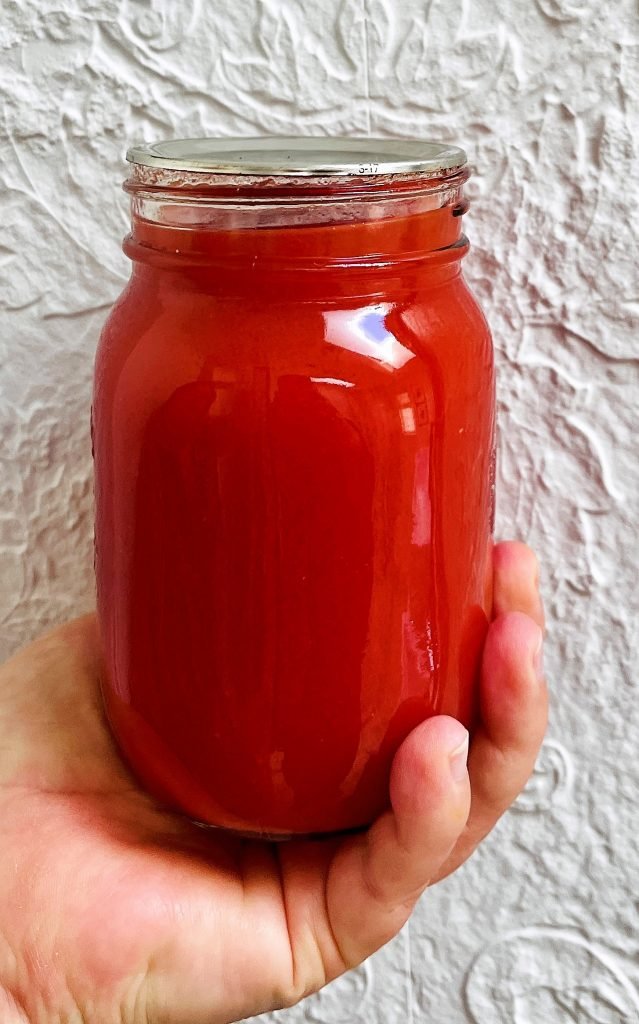
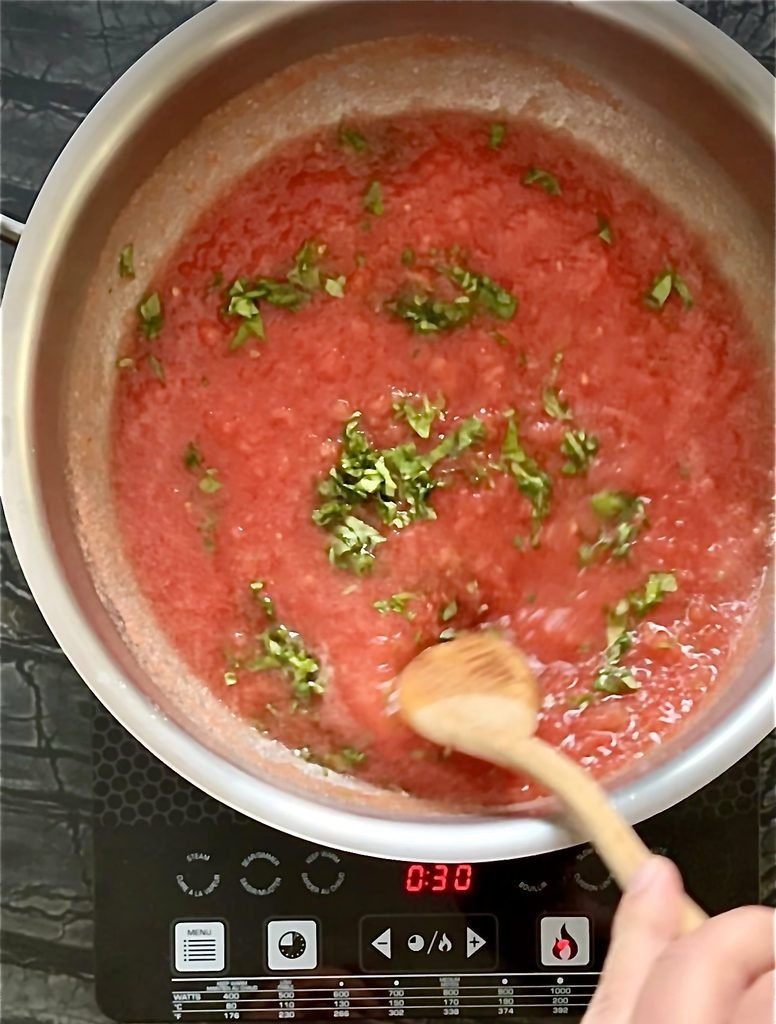
Standard Tomato Sauce is the straightforward canning recipe. Tomatoes cooked down into a smooth, versatile sauce that can go wherever a recipe calls for canned tomato sauce. Nothing flashy. That’s part of the point. This is the jar to make when you want maximum flexibility later. Source: NCHFP/USDA.
Spaghetti Sauce Without Meat takes the basic tomato foundation in a more seasoned direction. It’s ready for pasta when you want dinner to happen without starting from a pile of fresh tomatoes. Source: NCHFP/USDA.
Spaghetti Sauce with Meat is the meatier version, with a canning recipe specifically formulated for it. This is one place where you don’t want to borrow the processing time from a different tomato sauce and call it close enough. Source: NCHFP/USDA.
Seasoned Tomato Sauce is for when plain tomato sauce feels more like an ingredient than something you actually want to eat. Published by Clemson Extension, this version brings more seasoning to the jar while keeping it useful for everyday cooking. Source: Clemson Cooperative Extension.
Basil-Garlic Tomato Sauce puts two of the best things you can add to tomatoes – basil and garlic -right into the sauce. If you’re going to spend the time canning tomato sauce, there’s something to be said for opening a jar in January that already tastes like you had a plan. Source: Ball.
Which tomato sauce should you make?
- For maximum flexibility, Standard Tomato Sauce is the workhorse. Want something ready for pasta? Go with Spaghetti Sauce Without Meat. Making meat sauce for the pantry? Use the specifically formulated Spaghetti Sauce with Meat rather than adapting a different recipe.
- The Seasoned Tomato Sauce and Basil-Garlic Tomato Sauce are the more interesting choices when you want the jar to bring some flavor of its own.
Ketchup, Chili Sauce & Other Tomato Condiments
Tomatoes don’t have to become pasta sauce. If you’re looking for something a little more interesting or something you use by the spoonful rather than the jarful, this section will give you all the recipes you need.
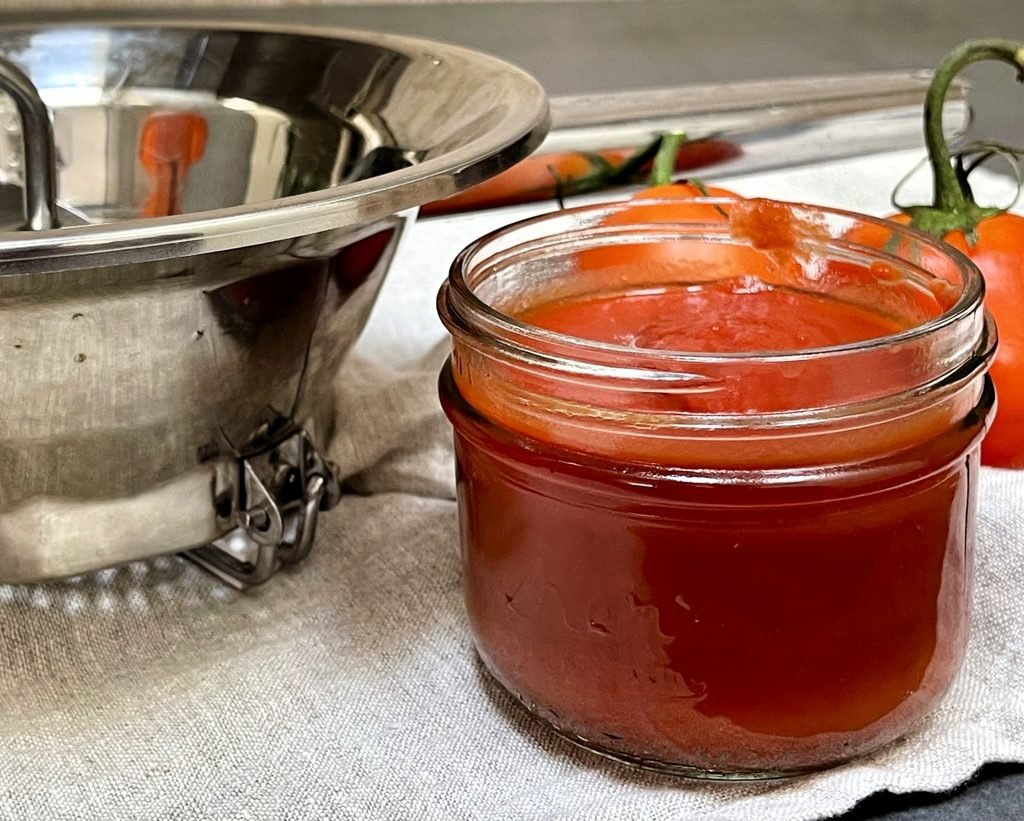
Tomato Ketchup is the classic homemade ketchup, made from fresh tomatoes and cooked down with vinegar, sugar, and spices. If you have a serious tomato surplus, ketchup is one way to turn quite a lot of tomatoes into a relatively small number of very useful jars. Source: NCHFP/USDA.
Country Western Ketchup takes ketchup in a more heavily spiced direction. It’s still recognizable as ketchup, but with enough extra seasoning to make it interesting beyond the usual burger-and-fries assignment. Source: NCHFP/USDA.
Blender Ketchup uses a blender to process the tomato mixture rather than relying on the more traditional equipment and methods. If the idea of processing a mountain of tomatoes is already testing your patience, a recipe with a simpler prep method deserves some attention. Source: NCHFP/USDA.
Easy Hot Sauce is a good answer when your tomato harvest comes with a side of hot peppers. It’s thinner and more pourable than salsa, making it useful for everything from eggs to tacos to whatever dinner needs rescuing. Source: NCHFP/USDA.
Cayenne Pepper Sauce puts the emphasis firmly on heat. This is the kind of preserve that doesn’t require you to use a whole jar at once – a classic example of a little goes a long way, which is a useful property for a hot sauce. Source: NCHFP/USDA.
Barbecue Sauce turns tomatoes into a pantry staple for grilling and quick meals. Keep a jar around and you’ve got more than a way to deal with tomatoes, you’ve got a shortcut for dinner. Source: NCHFP/USDA.
A note on the ketchup recipes:
- These aren’t simply interchangeable versions of homemade ketchup. They differ in seasoning and preparation, so have a look at the original recipe before deciding which one fits what you actually want to put on the pantry shelf.
Tomato Salsa Canning Recipes
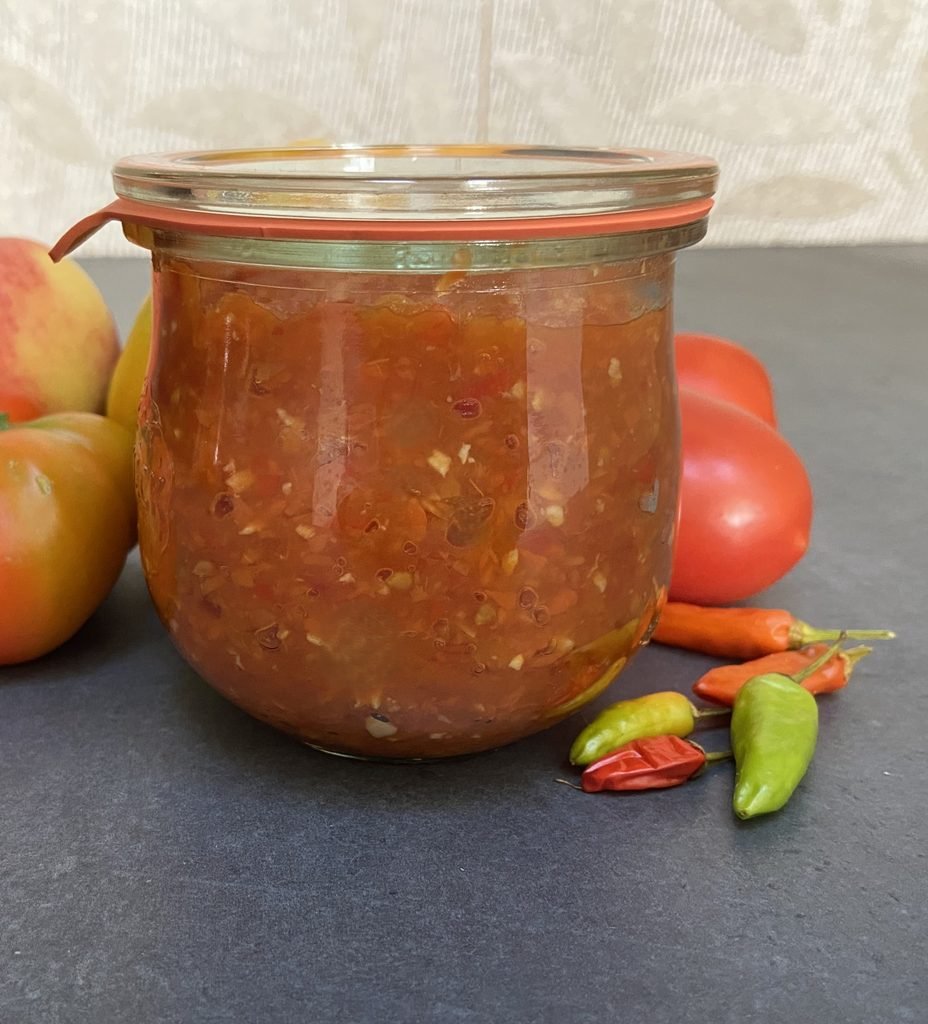
If you search for tomato canning recipes, salsa is probably one of the first things you’ll find. The problem is that “tomato salsa” can mean a lot of different things. These recipes aren’t interchangeable, and the proportions, ingredients, and processing directions matter.
Choice Salsa is a good place to start if you want a traditional tomato-and-pepper salsa with some flexibility in the choice of ingredients. It’s one of the more useful general-purpose salsa recipes in the NCHFP collection. Source: NCHFP/USDA.
Chile Salsa is a hot tomato-and-pepper sauce with a stronger chile presence than a typical mild salsa. If your idea of salsa involves a little more heat, this is the direction to look. Source: NCHFP/USDA.
Chile Salsa II gives you another tested tomato-and-chile combination, with a different formula from the first chile salsa. Having two versions matters here because you can’t simply swap one tested salsa recipe for another and assume the processing directions still apply. Source: NCHFP/USDA.
Tomato and Green Chile Salsa is the one to look at if you like the familiar tomato-and-green-chile combination. It’s a particularly useful recipe when you’re dealing with a tomato harvest and a pile of fresh green chiles at the same time. Source: NCHFP/USDA.
Tomato/Tomato Paste Salsa uses tomato paste to give the salsa a thicker consistency. That’s handy if you prefer a salsa that stays put on a chip instead of immediately migrating to the bottom of the bowl. Source: NCHFP/USDA.
Tomato Salsa with Paste Tomatoes is designed around paste-type tomatoes, which are naturally meatier and less watery than many slicing tomatoes. If you’ve got a pile of Romas or other paste tomatoes, this gives you a tested way to put them to work. Source: NCHFP/USDA.
Mexican Tomato Sauce is less like the chunky salsa many people picture and more like a cooked tomato-and-chile sauce. That makes it particularly useful as an ingredient rather than something you only bring out with a bag of tortilla chips. Source: NCHFP/USDA.
Tomato Taco Sauce is another cooked tomato sauce with a very specific job: tacos. It’s a good example of why a tomato canning roundup shouldn’t stop at whole tomatoes and spaghetti sauce. Sometimes the best pantry jar already knows what dinner is going to be. Source: NCHFP/USDA.
Garden Salsa from North Dakota State University Extension is aimed squarely at the garden harvest, with tomatoes, peppers, onions, and other fresh ingredients coming together in one jar. It’s a useful option when “what am I going to do with all of this?” is the actual problem. Source: North Dakota State University Extension.
Fresh Salsa from Ball gives you another tested option in the salsa category, while Roasted Tomato Chipotle Salsa takes things in a smokier direction. If plain tomato salsa doesn’t excite you enough to spend a day canning it, roasting and chipotle might make the proposition more convincing. Source: Ball.
A note about canning salsa:
- This is one category where we strongly recommend going back to the original recipe before making substitutions. Canning salsa isn’t just a matter of deciding how much tomato, onion, pepper, and vinegar looks right in the bowl. The tested formula and processing directions are part of the recipe. So if you’re looking at several of these recipes and thinking, “I like the vegetables from this one and the spices from that one,” bookmark both, but don’t combine them and assume you’ve created a tested canning recipe.
Pickled Green Tomatoes & Tomato Preserves
Not every tomato needs to become sauce. Green tomatoes, in particular, have a whole other career available to them.
Kosher-Style Dill Green Tomato Pickles turn firm green tomatoes into crisp, dill-flavored pickles. If your tomato plants are still loaded when the weather decides the growing season is over, this is one way to make use of them before the first hard freeze. Source: NCHFP/USDA.
Pickled Sweet Green Tomatoes takes green tomatoes in a sweeter direction, with a spiced pickling brine rather than the straightforward dill flavor. This is the one to look at if you like your pickles with some sweet-and-sour character. Source: NCHFP/USDA.
Spiced Green Tomatoes is another sweet-spiced option, and a good reminder that green tomatoes aren’t automatically destined for fried green tomatoes. These are made for the pantry instead. Source: NCHFP/USDA.
Pickled Green Tomato Relish chops green tomatoes down into a relish that can do considerably more work than a jar of pickles. Put it on sandwiches, burgers, sausages, or wherever you would normally reach for relish. Source: NCHFP/USDA.
Tomato-Apple Chutney combines tomatoes and apples with spices and vinegar for a sweet-savory chutney. This is one of the more interesting choices in the roundup if you want something that can sit beside cheese, roast meat, or a sandwich rather than simply becoming another cooking ingredient. Source: NCHFP/USDA.
Green Tomato Pie Filling is probably the recipe most likely to make someone stop and read the description twice. Green tomatoes become a sweet pie filling with the right combination of sugar and spices. If you’ve never considered putting green tomatoes in a dessert, this is the tested recipe that may change your mind. Source: NCHFP/USDA.
Tomato Marmalade is one of the genuinely unusual finds in this collection. Tomatoes are combined with citrus and warm spices to make a sweet preserve that sits somewhere between jam and marmalade. It’s a good example of why we went beyond the usual tomato-canning search results. Source: University of California Agriculture and Natural Resources.
Tomato Jelly takes tomatoes in an even less expected direction. This is a sweet tomato preserve with a clear jelly-like texture rather than the savory profile you might expect from a tomato recipe. Source: UC Master Food Preserver Program.
Sweet Yellow Tomato Chutney uses yellow tomatoes in a sweet-and-spiced chutney. If you’ve grown yellow tomatoes or simply ended up with them at the farmers market, this is a more interesting destination than putting them into yet another generic tomato sauce. Source: Ball.
Bruschetta in a Jar takes the flavors of bruschetta (tomatoes, herbs, and garlic) and turns them into a shelf-stable preserve. It’s a particularly useful concept for anyone who wants a pantry shortcut rather than another jar of plain tomatoes. Source: Ball.
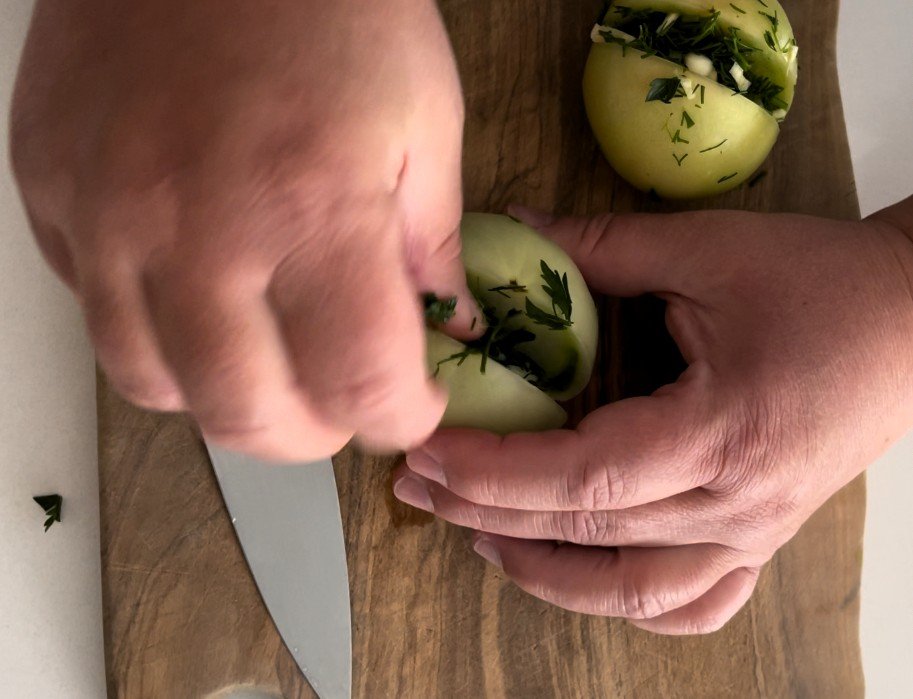
- The recipes in this section are also a good reminder that green tomato canning isn’t one single category. You can pickle them, turn them into relish, make chutney, or even use them as a sweet preserve. So if the end of tomato season has left you with a pile of green fruit, don’t assume your only options are waiting for them to ripen or feeding them to the compost.
Common Tomato Canning Mistakes to Avoid
The whole point of a tested tomato canning recipe is that someone already did the hard part: figuring out the formulation and processing conditions. Your job is to follow that recipe.
❌Swapping ingredients or ratios. Don’t change the proportions of tomatoes, vegetables, or acid because you prefer more onion, less pepper, or another splash of vinegar. In acidified recipes such as salsa, those proportions are part of what makes the tested process work. NCHFP specifically warns against altering them.
❌Borrowing a processing time from a different recipe. Two tomato products can look almost identical in the jar and still require different processing. Heat penetration depends on factors including acidity, consistency, piece size, jar size, and the solid-to-liquid ratio. Use the processing time published for the recipe you’re actually making.
❌Skipping altitude adjustments. Processing times and pressures change with elevation. Don’t automatically use the sea-level time because that’s what you’ve always done. Check the source recipe for the altitude range that applies to you. Not sure about your altitude? Our altitude adjustment for canning is here to tell you which altitude band applies to you.
❌Assuming all tomato products can be processed the same way. Tomatoes are acidic enough for many tested recipes to use a boiling-water canner, but the exact product matters. Some NCHFP tomato recipes provide both boiling-water and pressure-canning directions, while particular salsa recipes specify boiling-water processing. Follow the method given for that recipe rather than deciding that “tomatoes = water bath” or “vegetables = pressure canner.”
❌Turning a tested recipe into your own recipe halfway through. This is especially tempting with salsa. More onion, fewer tomatoes, different peppers, less vinegar. It can still look perfectly reasonable in the pot. But once you change the tested proportions, you no longer have the recipe that was tested.
FAQ:
Rather than treating the word “tested” as a guarantee that every recipe from every publisher has been evaluated in exactly the same way, look at the source and follow its current instructions. Ball and Bernardin publish tested home-canning recipes, while NCHFP and university Extension programs publish research-based recommendations. For this roundup, we’ve included recipes from all of these established sources because they provide specific formulations and processing directions.
━━━━━━━━━━━━━━━━━━━━━
Not freely. The answer depends on the ingredient and the particular recipe. NCHFP’s salsa guidance, for example, allows some changes to spices and herbs but specifically says not to alter the proportions of tomatoes, vegetables, and acid. In some recipes, even the type of acid matters: NCHFP says not to substitute vinegar for bottled lemon or lime juice where the recipe specifies the latter.
So don’t use “it’s only a little change” as your safety test. Check the source recipe first.
━━━━━━━━━━━━━━━━━━━━━
Not necessarily. The required processing method depends on the specific recipe. NCHFP tomato recipes include boiling-water and pressure-canning options for some products, while others have a specified method. For example, its Choice Salsa and Tomato and Green Chile Salsa give boiling-water processing times, while Standard Tomato Sauce provides both boiling-water and pressure-canning tables.
The short version: don’t choose the canner based on the ingredient. Choose it based on the tested recipe.
━━━━━━━━━━━━━━━━━━━━━
Not unless it is a research-tested recipe. Salsa is particularly tricky because it combines acidic tomatoes with lower-acid ingredients such as peppers and onions. NCHFP says the specific recipe and preparation method determine whether a salsa can be safely processed and what process is required.
━━━━━━━━━━━━━━━━━━━━━
For altitudes over 1,000 feet (300 meters), you must extend your boiling water bath processing time according to standard altitude conversion charts. You can use our free canning altitude calculator to easily find your local elevation and determine the exact processing times and pressures required for your location.
━━━━━━━━━━━━━━━━━━━━━
Join the pantry
Fresh recipes when the season calls for them. Preservation guides you can trust – every method, traditional to modern. Ideas for turning your pantry into weeknight dinners. Seasonal alerts that help you preserve more for less. Honest reviews of the tools that matter.
Tried this preserve? We’d love to hear how it turned out!