

Old-Fashioned Plum and Tomato Ketchup
Old-fashioned plum and tomato ketchup. Made with ripe plums, Roma tomatoes, garlic, apple cider vinegar and fenugreek. A homemade ketchup with an old-fashioned twist, not an Asian-style plum sauce.
🔪 Prep:
30 min
⏲️ Rest:
20 min
🫕Cook:
1 hr
🫙5
half-pint jars
💰Cost:
$1.75 – $3 per jar
Skip the bottled ketchup. This plum and tomato ketchup is smooth, tangy, gently spiced and made for the pantry. Most importantly, because you’re making it yourself, you control the ingredients – no corn syrup or high-fructose corn syrup needed!
Why You’ll Love This Ketchup
- It tastes like ketchup…but better. Tomatoes give it the familiar savory taste of ketchup, while ripe plums bring natural sweetness, so you can skip corn syrup or high-fructose corn syrup for good.
- You know what’s in the jar. This ketchup is made with recognizable ingredients and you get to control the amount of added sugar yourself.
- No corn syrup or high-fructose corn syrup. If you’re trying to cut back on added sugars, making your own ketchup lets you decide exactly what goes into it.
- It’s not sweet like plum sauce. Vinegar, tomatoes, garlic and spices keep this firmly in ketchup territory.
- It puts summer fruit to work. When plums and tomatoes are inexpensive and plentiful, this is a good way to turn them into something you’ll actually use all year.
- It’s made for the pantry. Five half-pint jars give you a homemade condiment ready for burgers, sausages, meatloaf, pork and roasted potatoes all year long.
Why We Started Making Our Own Ketchup – And So Should You!
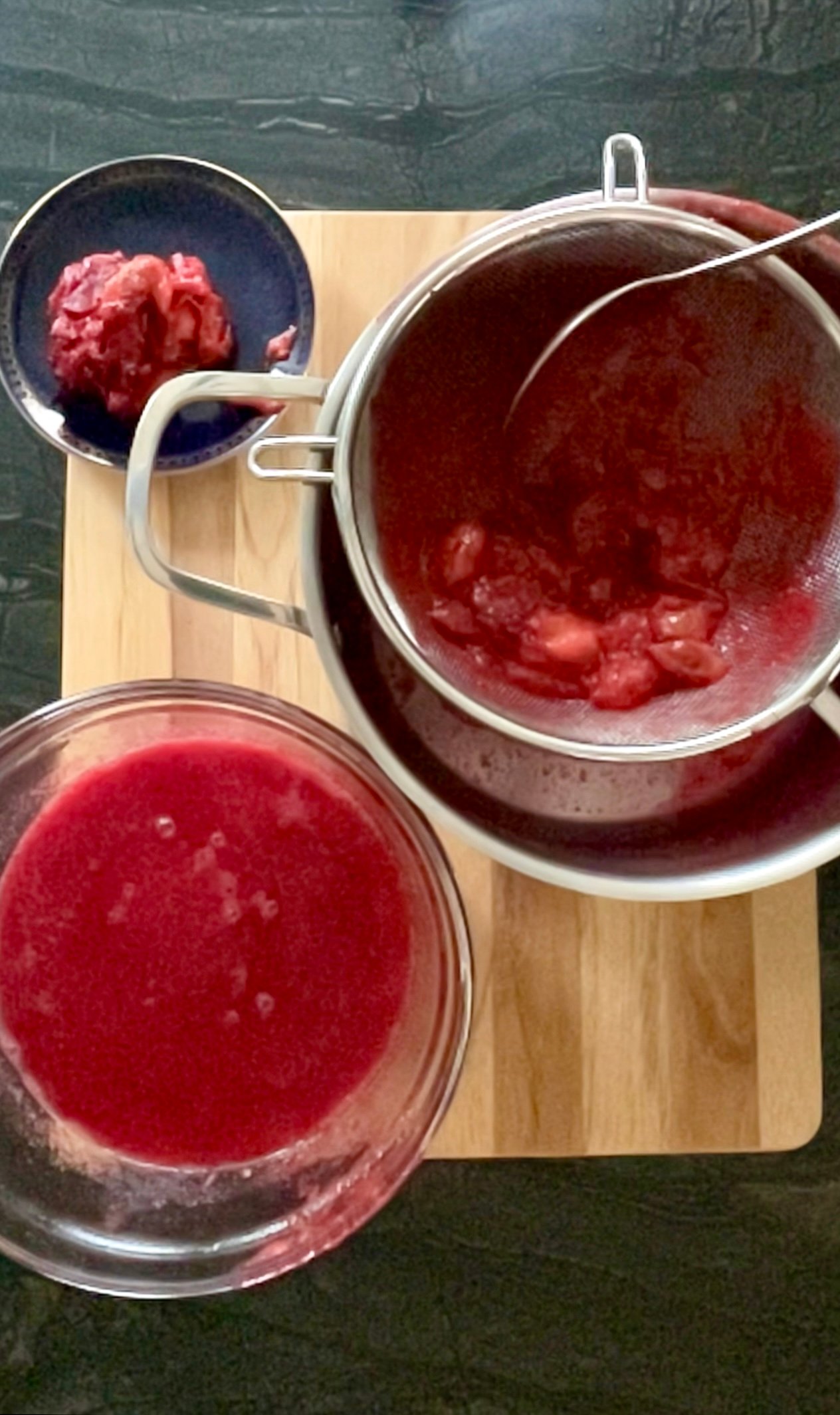
We started making our own ketchup for the same reason we make so much of our food at home: we were trying to eat healthier and wanted to know exactly what was going into our food.
You see, the more you read and understand labels, the more often you’ll find yourself asking a simple question:
Why are there ingredients in this food that we wouldn’t put into it ourselves?
Ketchup became one of those foods.
Take Heinz ketchup U.S. formulation as an example. Its ingredients list has: tomato concentrate, vinegar, high-fructose corn syrup, corn syrup, salt, spices, onion powder and natural flavoring.
We’re not saying that a spoonful of ketchup is going to ruin your health. But if you’re trying to reduce added sugars, manage your weight, or simply eat more food made from ingredients you recognize, those labels start to bother you.
They certainly bothered us. So we decided to make our own. And that’s when we discovered that ketchup has a much stranger history than we realized.
Ketchup wasn’t always tomato ketchup.
Older ketchup recipes were made from mushrooms, walnuts, anchovies and other strongly flavored ingredients. Fruit ketchups were part of that tradition too. And that got us thinking about plum ketchup, which apparently was a thing in Victorian England.
We weren’t quite ready to ban tomatoes from ketchup, so we decided to take the idea a step further and combine plums with tomatoes.
The result surprised us.
Unless someone told you there were plums in it, you’d probably never guess. It tasted like a seriously good tomato ketchup – deep, savory, slightly sweet and beautifully balanced, with just enough spice to keep things interesting.
In fact, it reminded us of the ketchup you get at those swanky burger places where the burger and fries cost an arm and a leg, but somehow the little bottle of house-made ketchup is what you remember.
Why It’s Not Called Plum Ketchup
Plum ketchup seemed like the obvious name for this preserve. Except it wasn’t.
We weren’t making a traditional plum-only ketchup, and calling it plum ketchup made it sound like we were.
“Homemade tomato ketchup” wasn’t any better. That name completely hid the plums. Somebody said “purple ketchup”, except our ketchup is not purple.
Fun tidbit: Purple ketchup was actually a thing. Heinz introduced its Funky Purple ketchup in the early 2000s as part of its brightly colored ketchup line for kids. It wasn’t made with plums, though – it was ordinary tomato ketchup colored purple.
Yeah, that name wasn’t going to help us either.
We finally did what seemed like the sensible thing: we took pictures of the jars we’d made and asked our social media followers what we should call them.
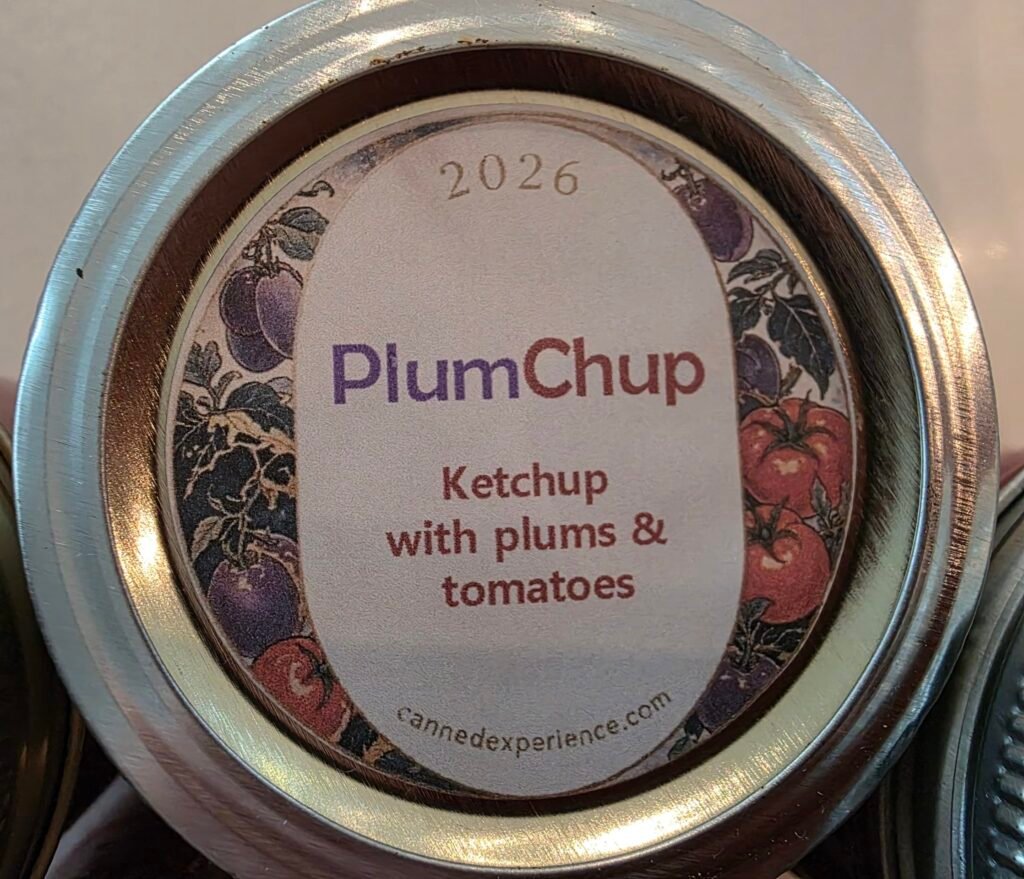
This one reply made us laugh. Plumchup.
No, we’re not using it as the official name of this preserve. But, we liked it enough that that’s what we call it in our house now.
Plumchup it is.
Old-Fashioned Plum and Tomato Ketchup – Ingredients Breakdown
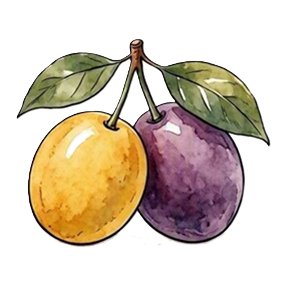
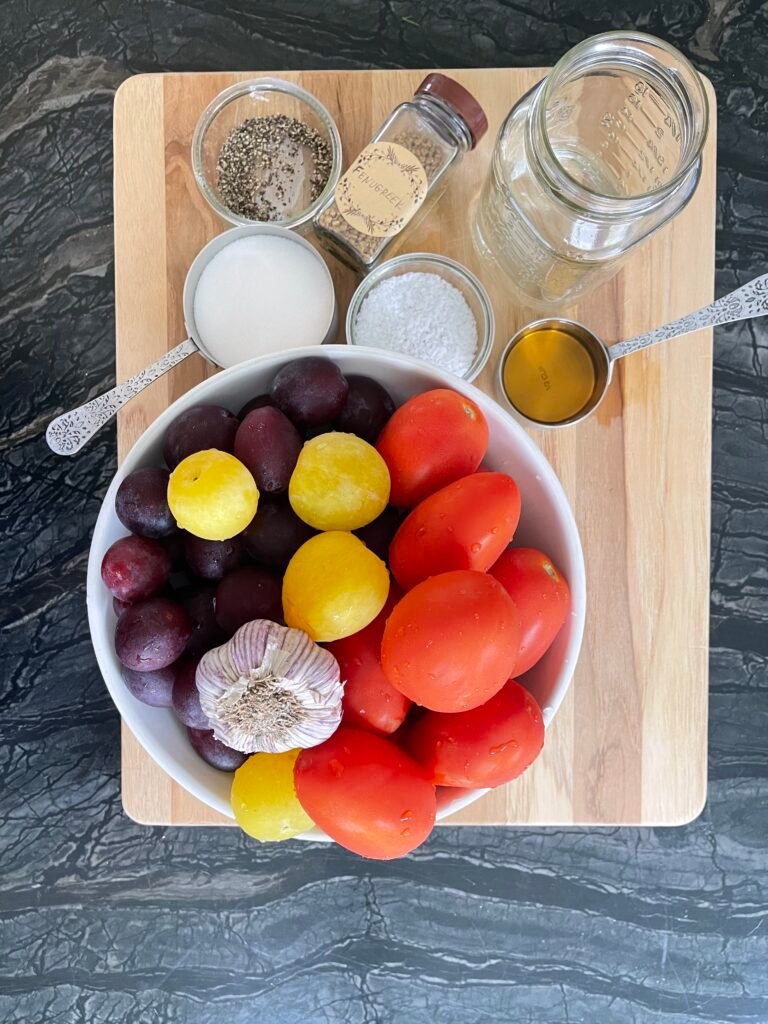
Plums
We used a combination of yellow plums and Italian prune plums, but either variety works on its own.
Substitutions: Any plums would work! Use ripe, sweet plums for the best flavor.

Roma Tomatoes
We chose Roma tomatoes because they’re meatier and less watery, which means less cooking time and more tomato pulp for your homemade ketchup.
Substitutions: You can use other ripe garden tomatoes too; just expect the ketchup to take longer to reduce if they’re particularly juicy.

Apple Cider Vinegar
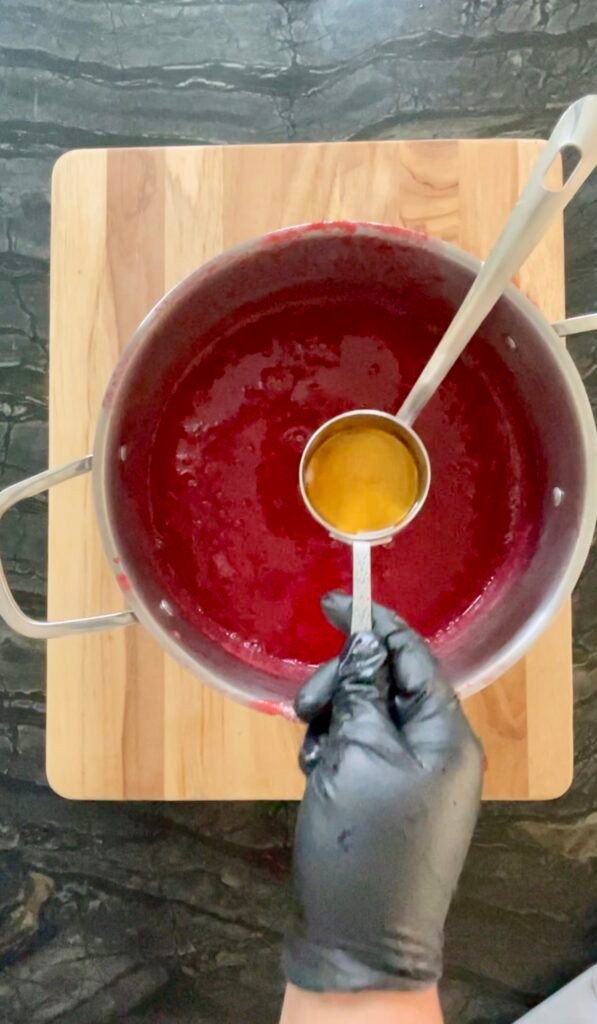
Vinegar is essential to ketchup. It gives the sauce its characteristic tang and provides the acidity needed for shelf stability. Don’t reduce the amount.
Substitutions: We don’t recommend replacing apple cider vinegar because it’s part of both the flavor and acidity of this ketchup. If you must substitute it, use white vinegar with 5% acidity.
Sugar
Sugar balances the acidity and rounds out the flavor. We used organic granulated sugar.
Substitutions: Brown sugar or Demerara sugar can be substituted for white sugar if you want a darker, more malty flavor.
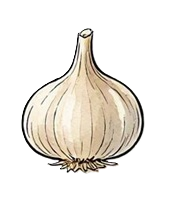
Garlic
Fresh garlic gives this ketchup its savory backbone.
Substitutions: If you don’t have fresh garlic, use 2½–3 teaspoons garlic powder instead. Beware, the flavor will be different!
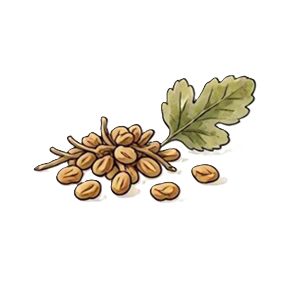
Fenugreek
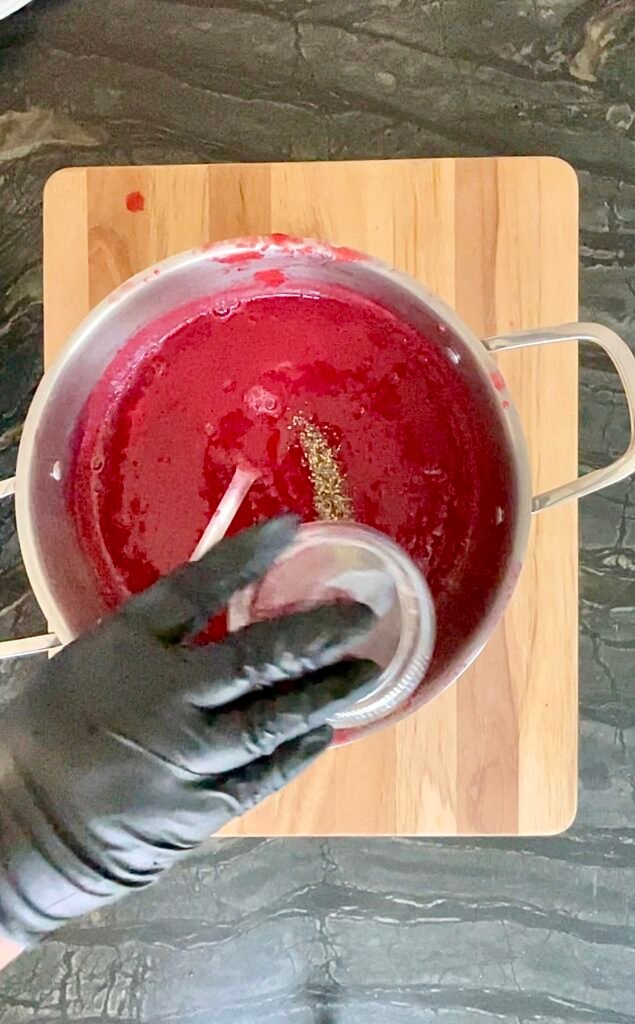
Don’t skip the fenugreek. It gives this ketchup its distinctive flavor. Basically, fenugreek is the signature spice here. Unfortunately, there isn’t a substitute for this spice. If you leave it out, you’ll still have a perfectly good tomato-plum sauce, but it won’t taste like our ketchup.
Bottom line: If you can’t find it, don’t replace it. Instead, skip it!
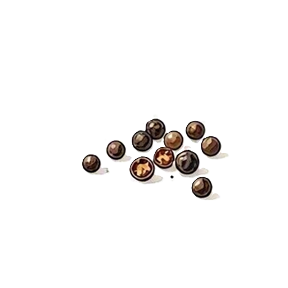
Black Pepper
Black pepper adds a little bite without making the ketchup spicy.
Substitutions: Want it spicy? Add hot pepper flakes instead. Not a fan of spicy and don’t have black pepper? White or pink peppercorns will work fine. However, pink peppercorns will somewhat change the flavor of your finished ketchup.

Pantry Master Note
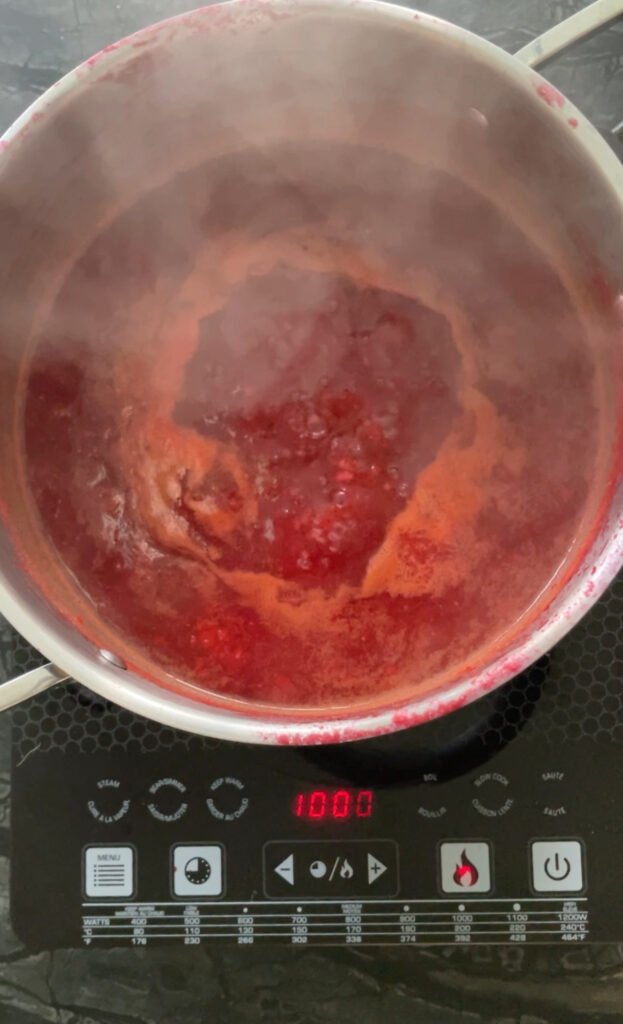
The cooking time can vary from batch to batch, especially if your tomatoes are particularly juicy.
Use the consistency and volume of the ketchup, not the clock, to decide when it’s done.
When you lift a spoonful of hot ketchup, it shouldn’t run off the spoon like a thin sauce. Instead, it should hold together in a rounded mound on the spoon, without watery liquid separating around it.
One helpful trick: This ketchup has a resting period before you finish cooking it. Use the resting period to help you understand how much more time your ketchup needs to be on the stove. This is how: as the mixture cools, it naturally thickens somewhat. That gives you a much better idea of what the finished ketchup will look and feel like.
If your ketchup is still quite loose after resting, you’ll know it needs much more time on the stove. If it has already thickened considerably, you will know you’re getting close to the consistency you want.
What Does It Cost to Make a Homemade Specialty Ketchup
The expensive part of this ketchup is plums and tomatoes. But, even these two aren’t particularly expensive if you buy them directly from growers. We used U-pick plums at $1 per pound and Roma tomatoes from the local Farmers’ Market at $1.75 per pound. Everything else is a pantry ingredient. So, the total cost stays surprisingly reasonable for five jars of homemade ketchup.
| Ingredient | USD $ | CAD $ |
| Plums (3.75 lb / 1.7 kg) | $5.63–$7.50 | $3.75 |
| Roma tomatoes (1.75 lb / 795 g) | $4.38–$5.25 | $3.06 |
| Sugar (150 g) | $0.20–$0.30 | $0.25–$0.35 |
| Apple cider vinegar (⅓ cup) | $0.25–$0.40 | $0.30–$0.40 |
| Garlic (80 g) | $0.75–$1.00 | $0.80–$1.10 |
| Salt (20 g) | $0.03–$0.05 | $0.05 |
| Fenugreek (1½ tsp) | $0.15–$0.25 | $0.20–$0.30 |
| Black pepper (1½ tsp) | $0.15–$0.25 | $0.15–$0.25 |
| Total batch (5 half-pint jars) | $11.54–$15.00 | $8.56–$9.21 |
That’s a pretty good price for five jars of an old-fashioned, small-batch ketchup made with fresh plums and tomatoes, especially when you compare it with the price of specialty ketchup sold at fancy grocery stores.
Cost per Jar: ~$2.31–$3.00 USD / ~$1.71–$1.84 CAD
Common Mistakes When Making Plum and Tomato Ketchup
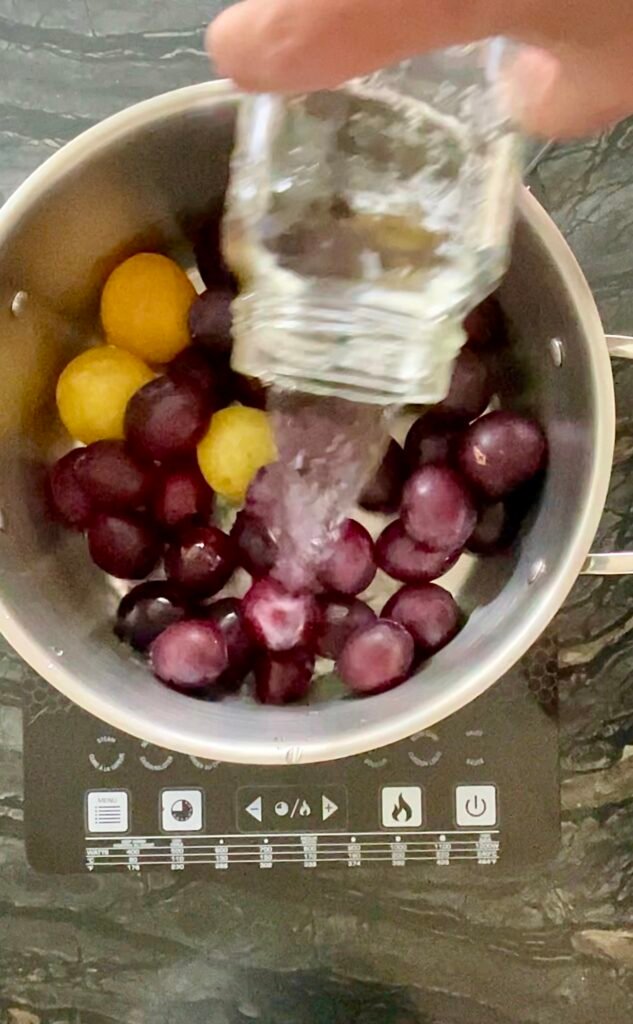
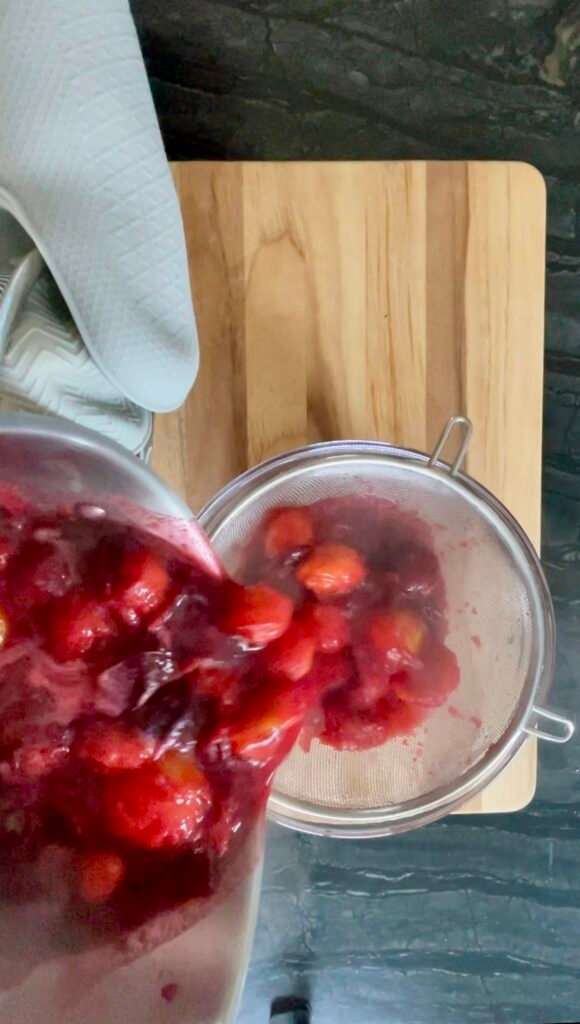
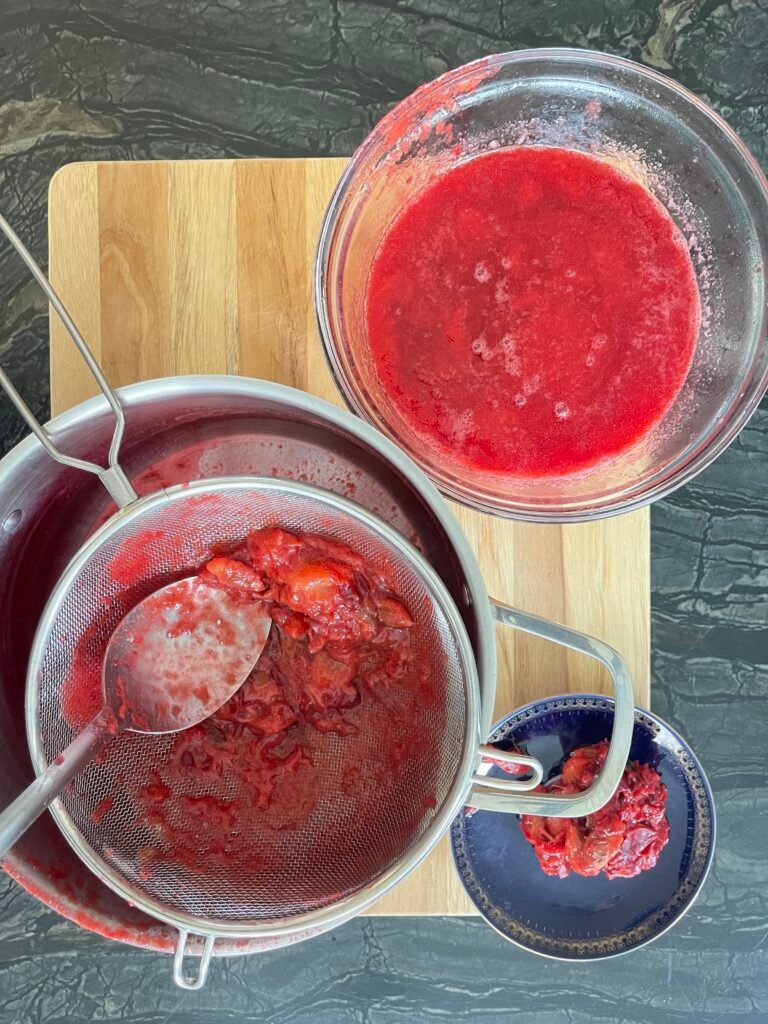
❌ Not Cooking the Plums Until They’re Really Soft: Don’t rush the step where you cook the plums with water. The plums are ready when their skins have cracked and the fruit is soft enough to collapse easily when pressed with a spoon. At that point, the flesh will separate from the pits and skins much more easily when you strain it.
❌ Adding Too Much Water to the Plums: The recommended amount of water may look like it’s not enough, but trust us, it is. The water helps the plums soften and release their skins without sticking to the pot. As they cook, the plums release plenty of their own juice, so the amount of liquid will quickly increase. Adding extra water only means more cooking time later.
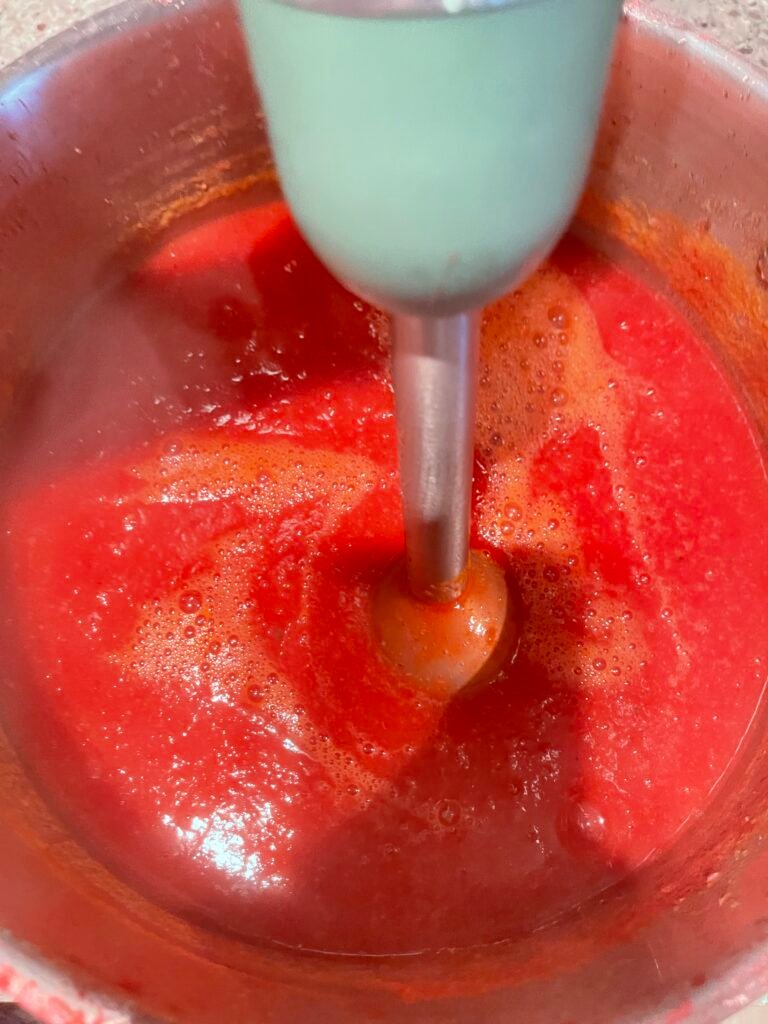
❌ Skipping the Straining: Removing the plum pits isn’t enough. The skins need to come out too! Plum skins don’t break down into the smooth texture we’re after, even after blending. Strain the cooked plums through a metal strainer.
❌ Leaving Tomato Skins and Seeds in the Ketchup: You can cook the tomatoes first and remove the skins and seeds afterward. But, that means stopping halfway through the cooking process to deal with them and then cooking the ketchup again. It’s an unnecessary step that adds time to an already long cook. Instead, deseed the tomatoes before cooking and run the tomato pulp through a food mill. If you don’t have a food mill, simply deseed the tomatoes and use a coarse grinder to break down the pulp.
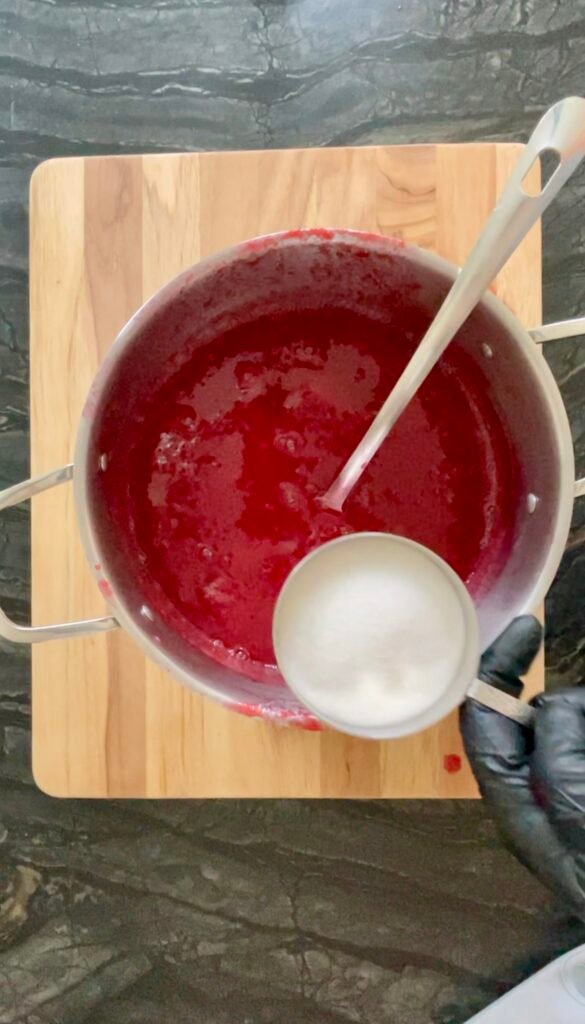
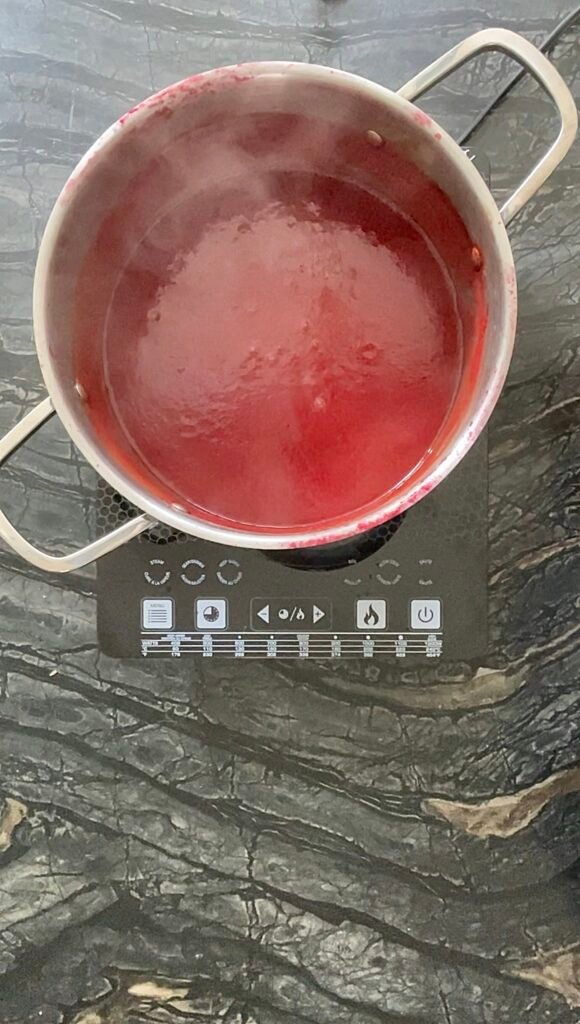
❌ Not Reducing the Ketchup Enough: After the plum and tomato pulp are combined with the vinegar, sugar, garlic and spices, the mixture needs to cook down substantially. The time required will vary depending on how much water your tomatoes contain. Reduce the ketchup to about half its original volume rather than relying only on the clock.
Homemade Plum and Tomato Ketchup – Heritage Preserve from the Garden
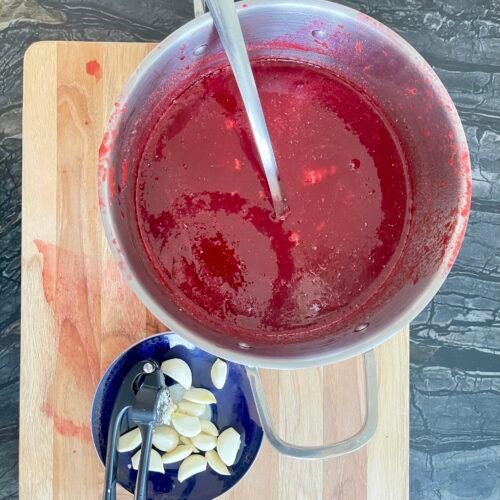
Canning Methods
This is a high-acid preserve. Our canning table follows standard NCHFP’s processing times for tomato preserves.
Both water bath canning and atmospheric steam canning use identical processing times for this recipe. We typically use an atmospheric steam canner for speed and lower water use, but a water bath canner works equally well and is the most widely used method in home preserving.
Processing table – Steam Canner & Water Bath
Jar size: Half-pint (8 oz / ~250 mL)
Pack style: Hot
Applies to: Atmospheric steam canner AND water bath canner (same processing times)
| Altitude | Processing time |
| 0–1,000 ft | 10 min |
| 1,001–6,000 ft | 15 min |
| Above 6,000 ft | 20 min |
Not sure which elevation band is yours? Our Canning Altitude Calculator will give you the answer in a couple of seconds.
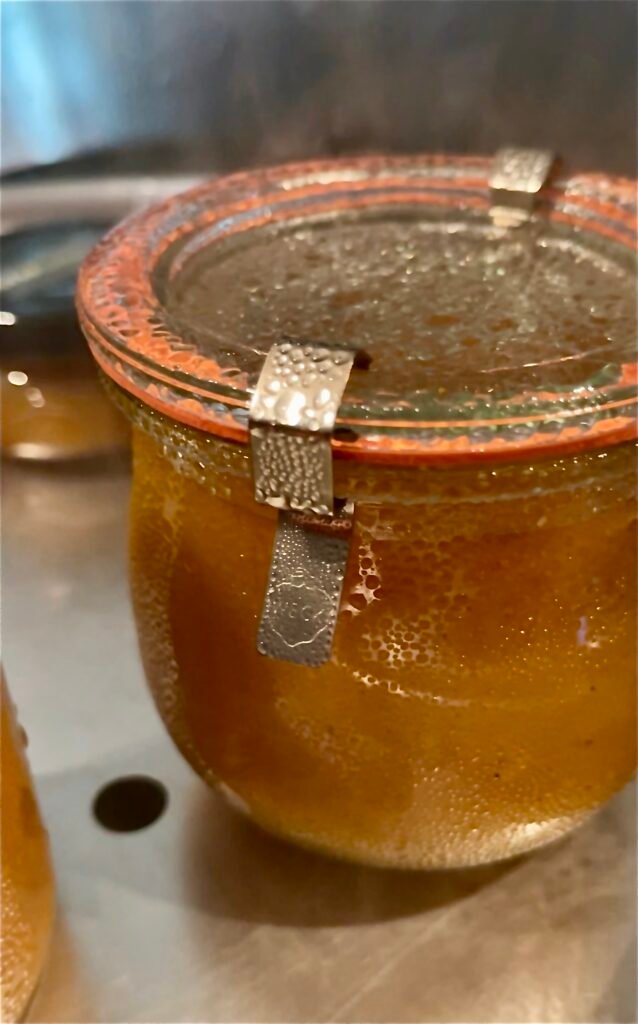
Atmospheric steam canning is newer to the home canning world. Nevertheless, it has been validated for high-acid preserves like this. It uses less water, heats up faster, and doesn’t require jars to be submerged.
- Prepare your atmospheric steam canner according to the manufacturer’s instructions. Typically, fill the base with the recommended amount of water and preheat until steam begins to vent.
- Place filled jars on the canner rack. Cover with the dome lid.
- Start timing once a steady column of steam has been venting continuously.
- When processing time is complete, turn off heat.
- Remove jars straight up with a jar lifter. Most important, do not tilt. Place on a towel-lined counter or cutting board.
New to steam canning?
Ready to ditch water bath canners?
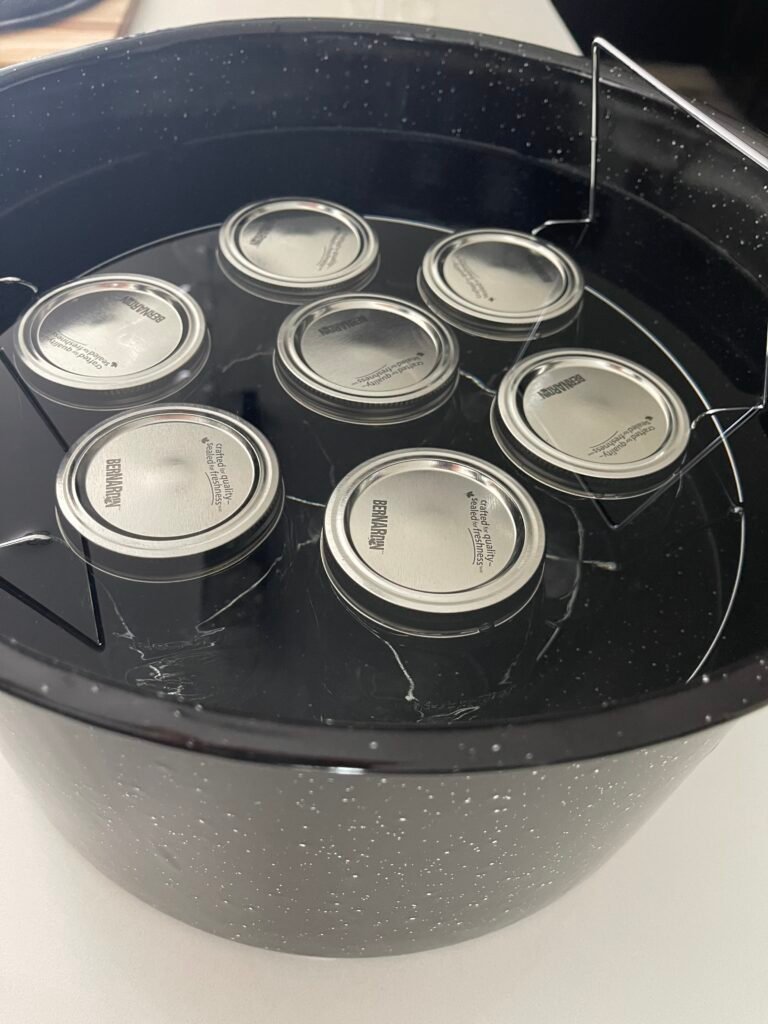
Water Bath Canning
Undeniably, water bath canning is the most widely used method for high-acid preserves and the one most canners learn first. If you already own a water bath canner, this is a perfectly sound way to process this jam.
- Place filled jars on the canner rack and lower it into boiling water. Always remember, water must cover the lids by at least 1 inch.
- Start timing once you reach a full rolling boil. Processing times are identical to the table above.
- When processing is complete, turn off heat and let jars rest in the water for 5 minutes before removing them. This step helps prevent siphoning.
- Lastly, remove jars straight up with a jar lifter.
Looking to understand how the two methods compare?

Prefer Open Kettle?
Open kettle canning is not a USDA-recommended method. For this recipe, we used atmospheric steam canning to get consistent, shelf-stable results. However, open kettle remains a long-established traditional method that some experienced canners still use for high-acid preserves.
We don’t dismiss traditional methods. For those who choose to use open kettle, we’ve put together a guide that explains how it is practiced, along with the key steps aimed at reducing common risks within that traditional approach.
After sealing (all methods)
- Do not touch, adjust bands, or press lids for 12–24 hours.
- After cooling, check seals: press the center of each lid. If it doesn’t flex, the seal is good. Any jar that didn’t seal goes in the fridge → use within 3 weeks.
- Remove bands for storage (they trap moisture and can mask a broken seal over time). Label with contents and date.
- Store in a cool, dark place. Peak quality for 12–18 months.
Check your processing time/ canning pressure if you’re above 1,000 feet↗️
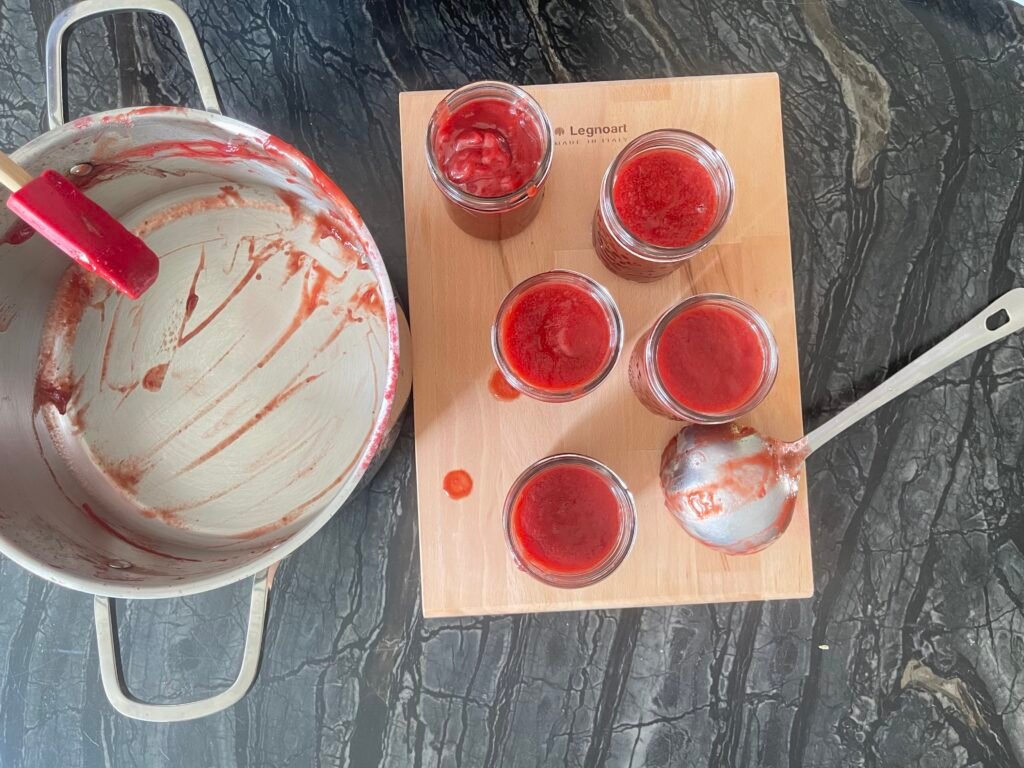
How to Make Plum and Tomato Ketchup – Step-by-Step Photo Gallery
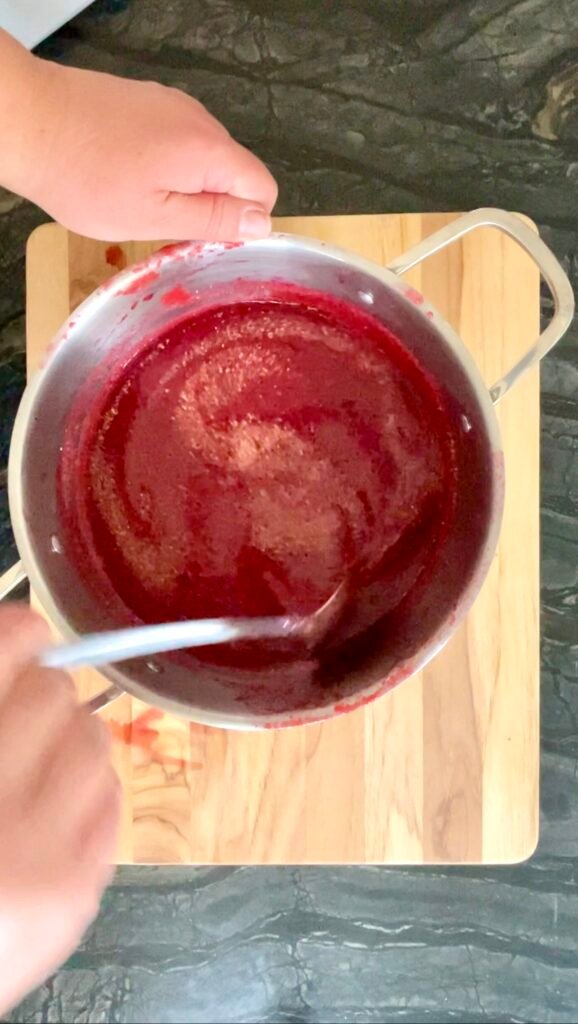
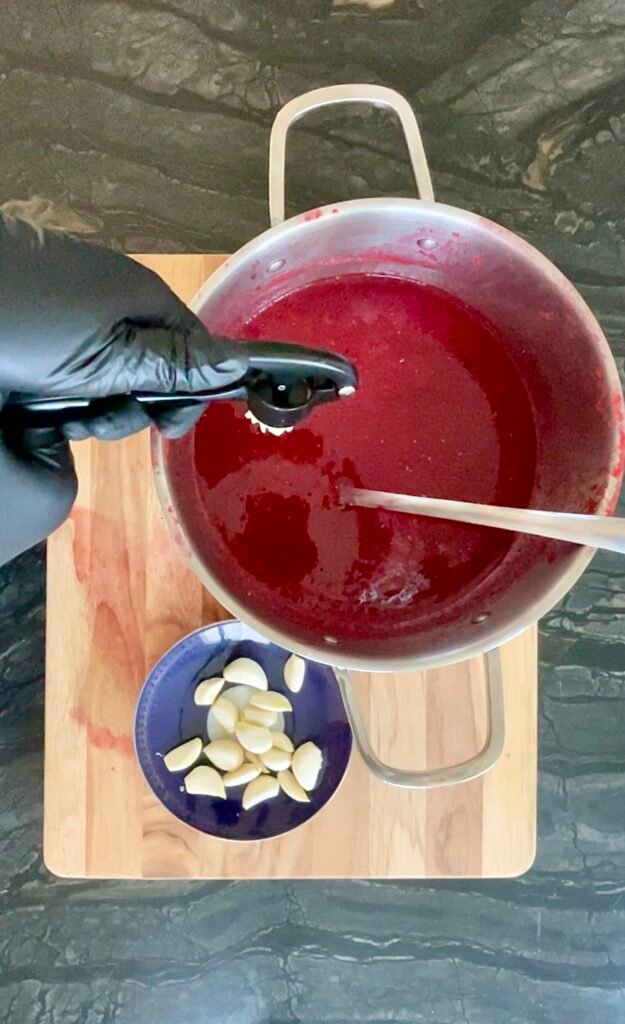
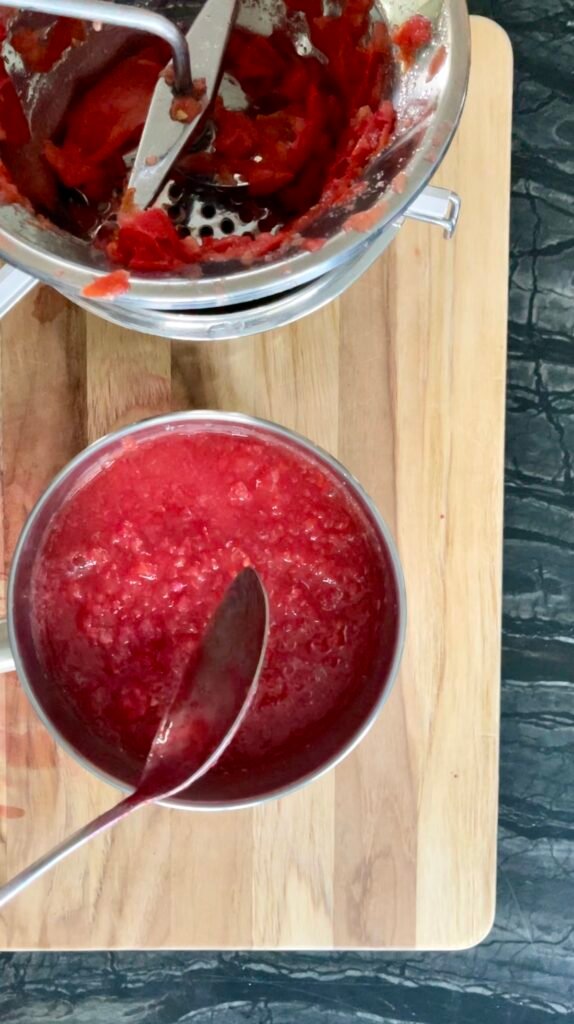
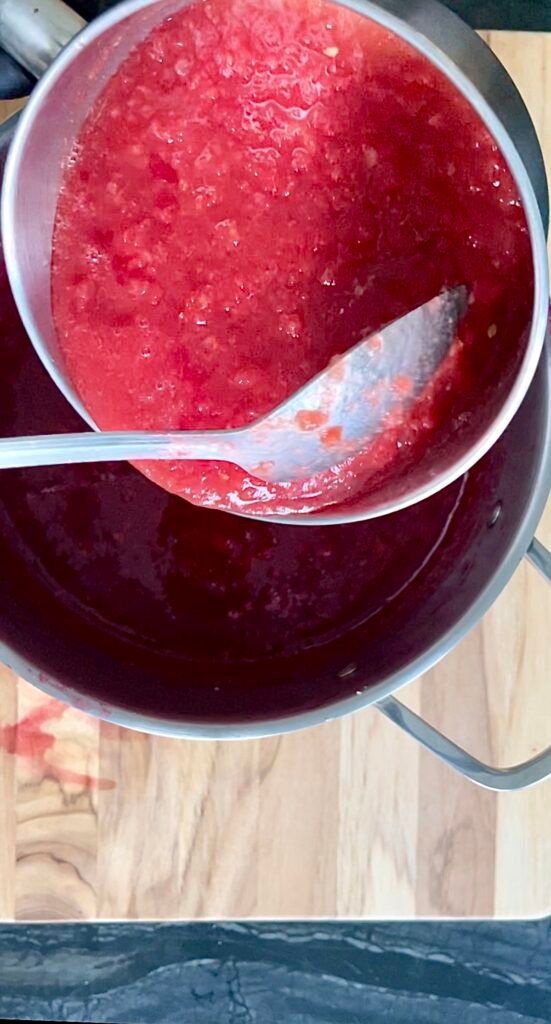
How to Use Plum and Tomato Ketchup
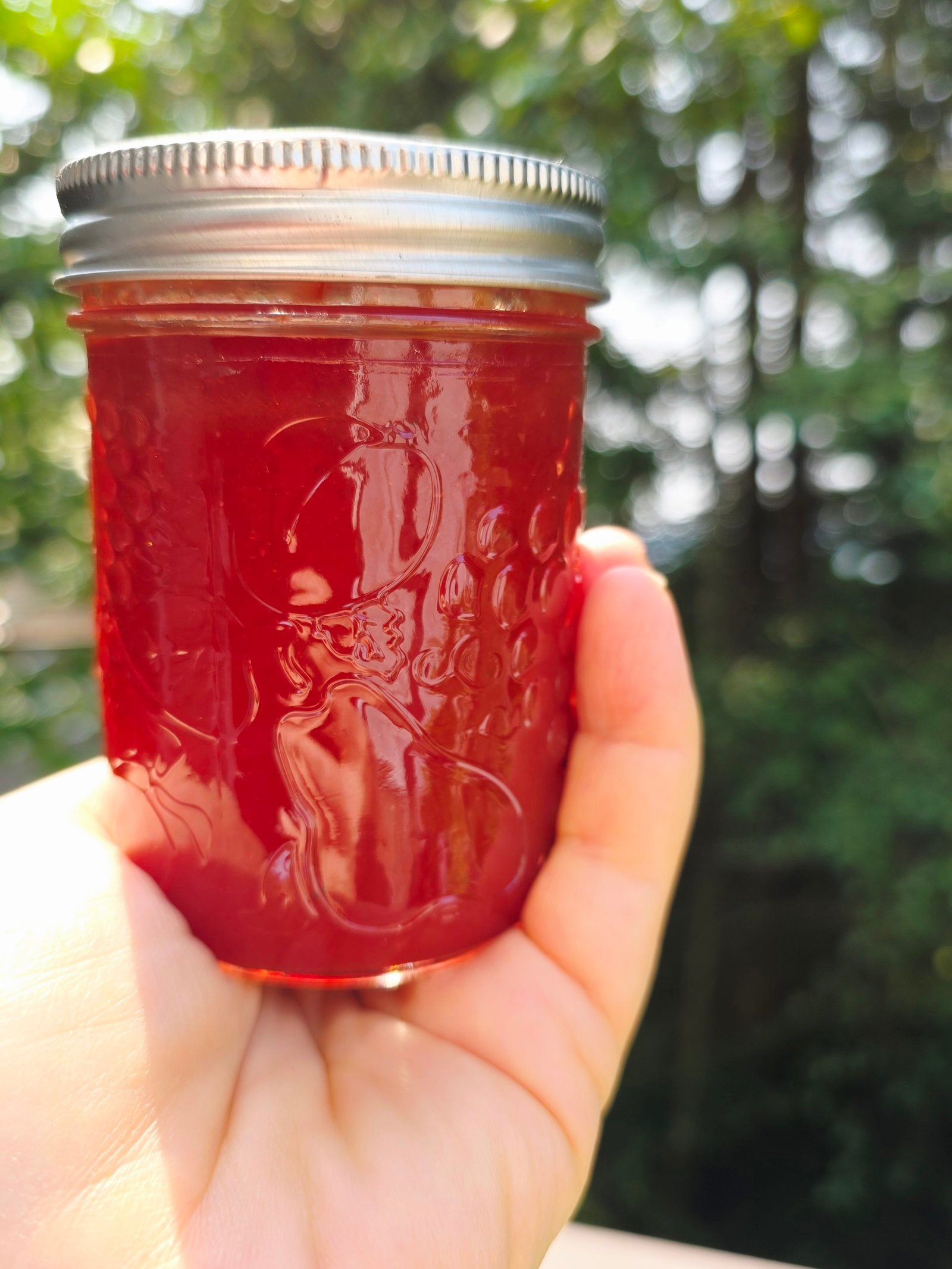
This isn’t a ketchup you need to save exclusively for burgers.
The plum gives it enough depth to work anywhere you’d normally reach for tomato ketchup, but also a few places where you wouldn’t. Basically, think of it as your everyday ketchup with a little more personality. Once you have a jar in the fridge or pantry, you’ll probably find yourself putting it on things you normally wouldn’t.
Burgers and fries: That’s the obvious one, but homemade ketchup makes even a simple burger feel special.Sausages and hot dogs: Another obvious one, but because our homemade ketchup includes plums it goes especially well with grilled pork sausages.
Meatloaf: Just use it as you would your regular tomato ketchup. Expect much more than regular results!
Roasted potatoes: This one is our favorite. It works particularly well with crispy oven roasted potatoes.
Grilled pork: Plum and pork are a natural pairing, and the vinegar keeps the combination from becoming too sweet.
Breakfast sandwiches and eggs: Another classic! Try it with fried eggs, breakfast potatoes or a sausage-and-egg sandwich.
FAQ
We would not recommend doubling it automatically. This recipe depends on reduction to reach both the right consistency and concentration, and a much larger batch will take considerably longer to cook down. A larger pot also changes how quickly moisture evaporates.
For the canned version, follow the tested processing and storage instructions provided with this recipe. Once opened, refrigerate the jar and use it within the recommended refrigerated storage period.
Yes, because in this recipe, sugar is a flavor and texture ingredient, not the food-safety mechanism. Safety for water-bath canning comes from the vinegar/acid ratio holding the final pH at ≤4.6, not from sugar content. Reducing sugar doesn’t meaningfully shift pH. What it does change: the ketchup will take longer to reduce to a proper thick, spoonable consistency, since sugar helps it cook down to that body and texture.
Yes, but not for the full cooking process. The reduction step needs open evaporation to concentrate the puree and thicken it. A covered slow cooker traps steam and won’t reduce the mixture properly, leaving you with a thinner, wetter ketchup than this recipe assumes. That matters for canning safety indirectly: processing times assume a certain density/consistency, and an under-reduced batch changes that. If you want the convenience, soften the plums and tomatoes in a slow cooker first, then transfer to an open pot on the stovetop for the final reduction and thickening before jarring.
Yes, because sugar here is a flavor ingredient rather than the food-safety mechanism, you can cut it back or swap in a non-nutritive sweetener (like monk fruit, allulose, or a stevia blend) without changing the canning safety of the recipe. The acid ratio (vinegar) is what keeps this safe for water-bath canning, and that stays untouched regardless of what you do with sweetener. However, if you do cut back sugar you will be missing the sweetness you come to expect from ketchup. These are some of our suggestions, if you do decide to cut the sugar or substitute it:
👩🍳Taste as you go! Sugar softens the sharpness of the vinegar, so a big cut in sweetener can make the ketchup taste noticeably sharper and vinegary. Adjust (add) sweetener to taste, not the vinegar.
👩🍳Some sugar substitutes behave differently under heat (no caramelization, occasional aftertaste at high concentrations), so it’s worth a small test batch before committing a full recipe to it. We would recommend against use of stevia in this preserve because it can go bitter.
👩🍳The ketchup still needs to cook down to the same thick, spoonable body. Remember, sugar contributes to that texture in our recipe, so a sugar-free version may need a few extra minutes on the stove to reach the same consistency.
No, “Purple ketchup” is a specific reference to Heinz’s EZ Squirt “Funky Purple” regular red tomato ketchup dyed purple with Blue No. 1 and Red No. 3, marketed to kids from 2001 until it was discontinued in 2006. This plum-tomato ketchup is different in every way that matters: its color comes naturally from the plums themselves, not added dye, and it’s a heritage-style fruit-and-tomato condiment rather than a novelty kids’ product.
That’s another no, although they’re easy to mix up. Chinese plum sauce (also called duck sauce) is a distinct condiment built around soy sauce, rice vinegar, ginger, and often Chinese five-spice or chili. It’s designed as a dipping sauce for fried foods and roasted duck, with a thinner, jelly-like consistency and a flavor rooted in Cantonese cuisine. This plum-tomato ketchup is a Western/heritage-style condiment: no soy, no rice vinegar, no five-spice. It relies on the tomato base plus warm spices and is built to sit alongside meats and cheese boards the way a thick, poured ketchup does, not as a dipping sauce for fried appetizers.
Related Recipes
Join the pantry
Fresh recipes when the season calls for them. Preservation guides you can trust – every method, traditional to modern. Ideas for turning your pantry into weeknight dinners. Seasonal alerts that help you preserve more for less. Honest reviews of the tools that matter.
Tried this preserve? We’d love to hear how it turned out!