Crab Apple Jelly Classic and Low-Sugar With Pectin
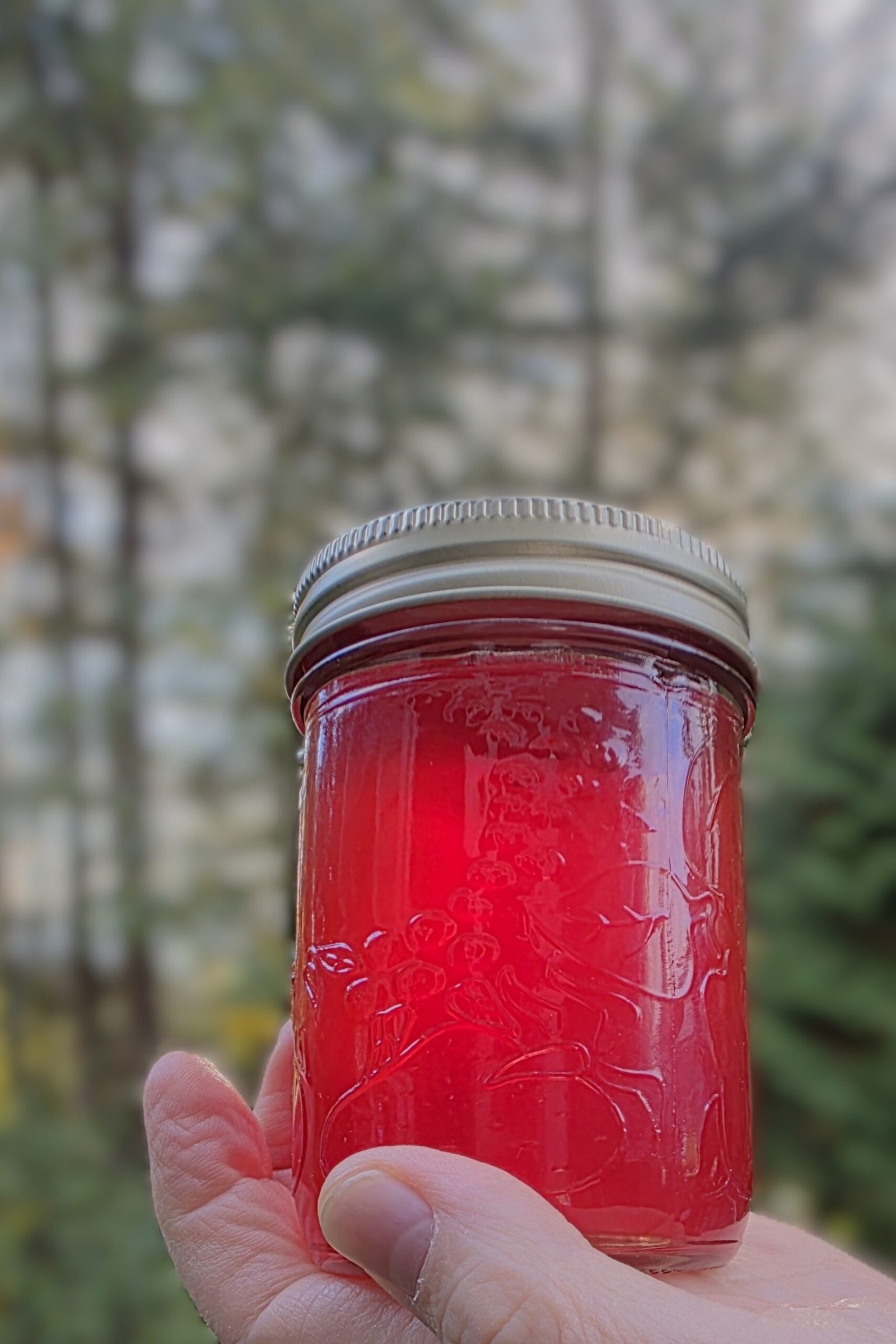
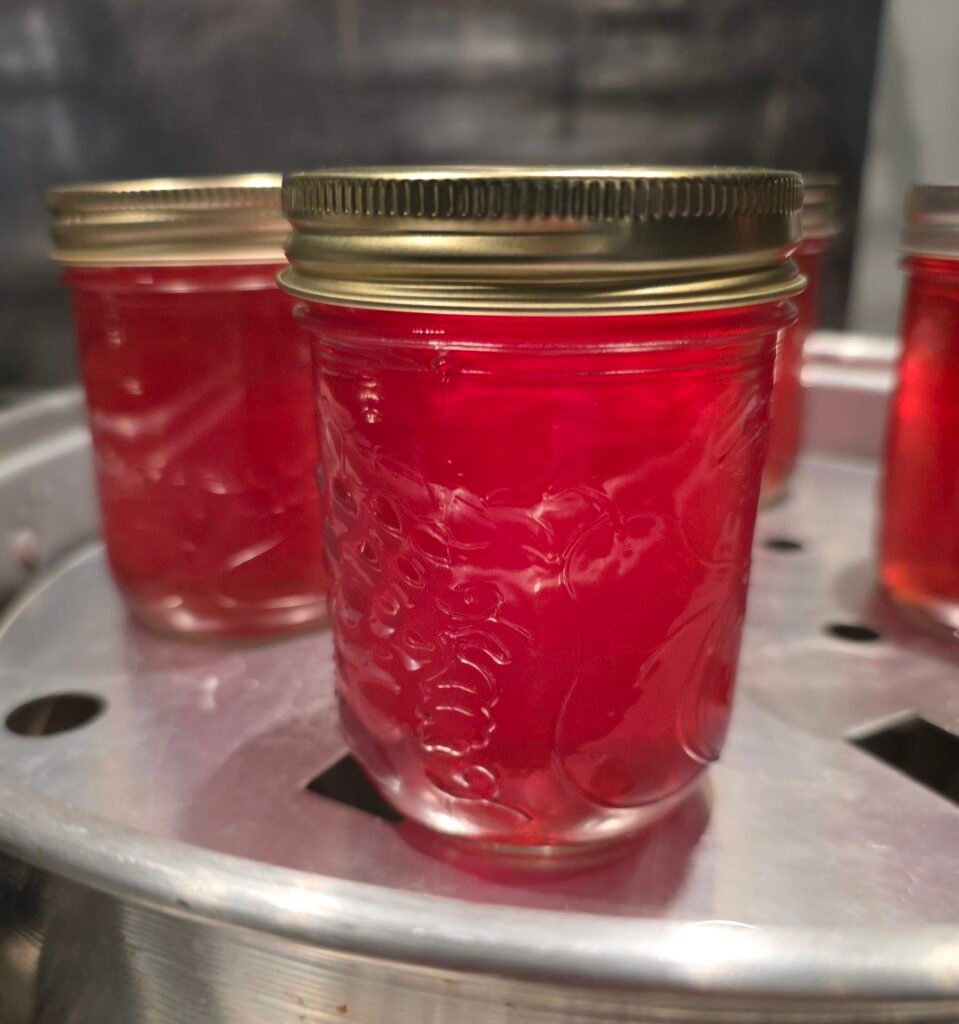
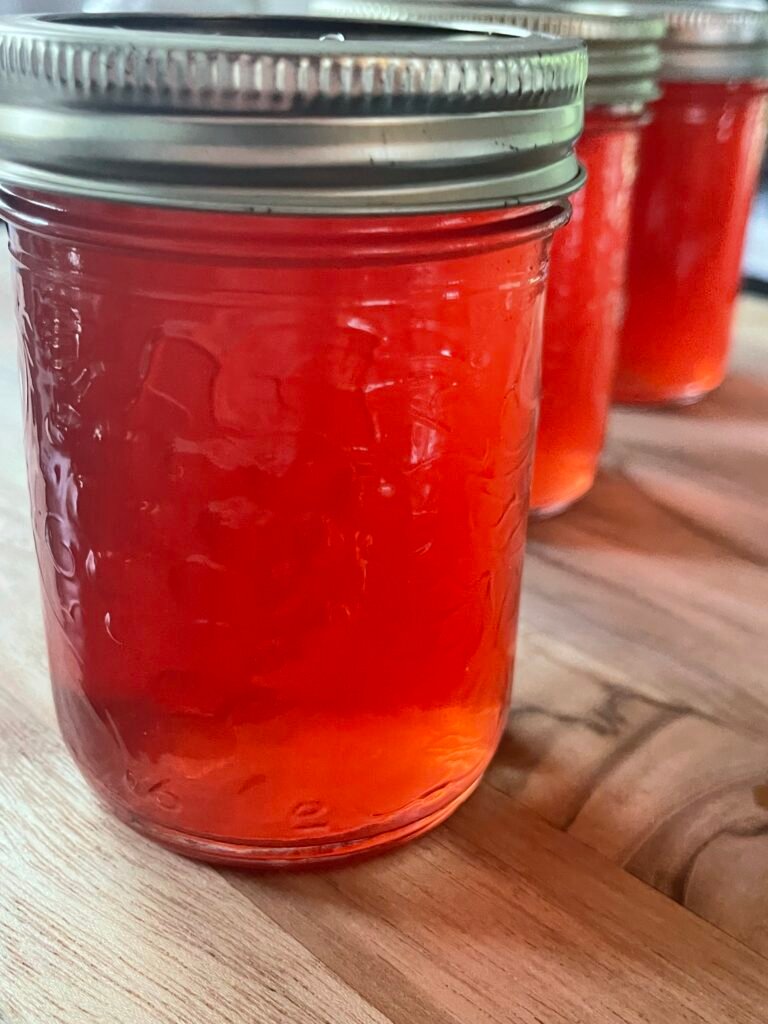
Crab apple jelly. Pleasantly sweet-tart, with a subtle hint of green cardamom. Those little crab apples you might be wondering what to do with are about to earn their place on your pantry shelf.
🔪 Prep:
20 min
🫕 Cook:
30-35 min
⏳Strain:
1-2 hr
🫙Yield: 5 × 250 ml jars
💰Cost per jar*:
$0.70 USD / $1 CAD
*classic full-sugar version
This crab apple jelly recipe makes a clear, beautifully set jelly from a fruit naturally rich in pectin. Pleasantly sweet-tart, with a subtle hint of green cardamom, this jelly is what those little crab apples have been waiting to become. Choose the traditional full-sugar version, made with equal parts crab apple juice and sugar, or try our low-sugar crab apple jelly recipe made with Pomona’s pectin.
Why You’ll Love This Crab Apple Jelly Recipe
- Two ways to make crab apple jelly:
- Prefer traditional crab apple jelly with plenty of sugar? Make the classic version.
- Want less sugar? Use the Pomona’s pectin variation of our crab apple jelly recipe.
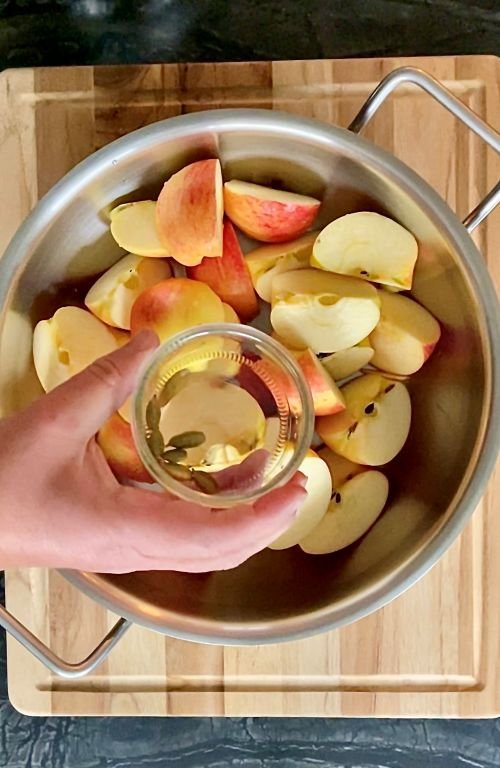
- A little green cardamom goes a long way. We use ten dry cardamom pods for a subtle flavour that surprisingly makes this crabapple jelly taste even more crab apple. When we first tried it, we had to stop and think, Wait, where is the cardamom in this?
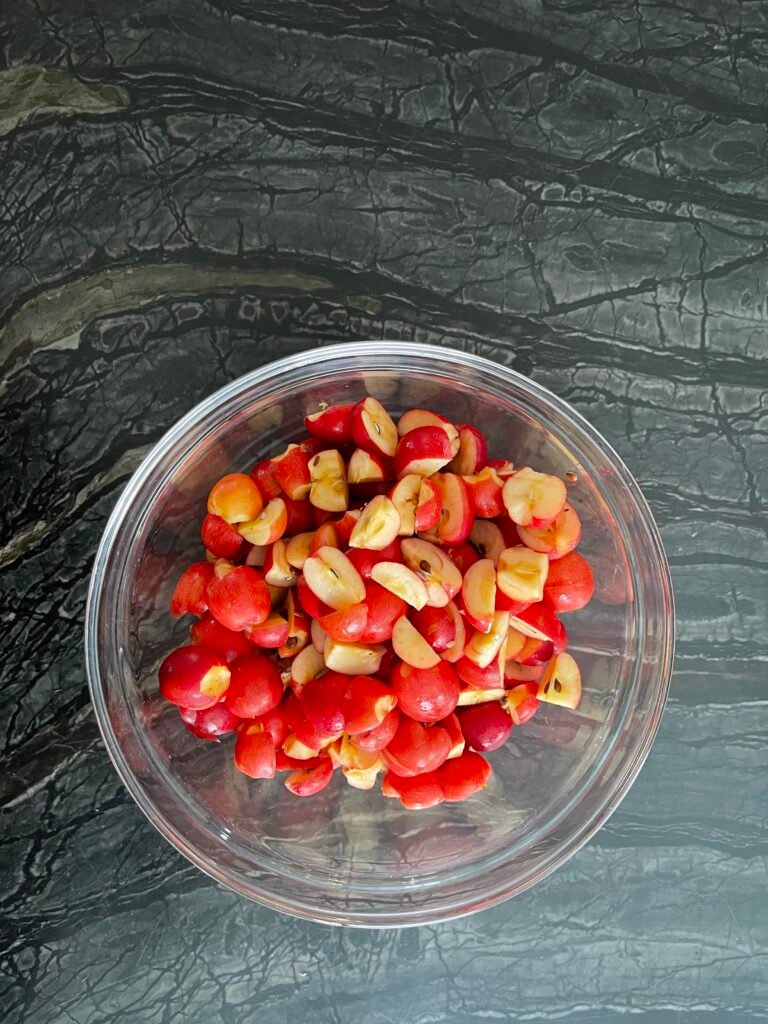
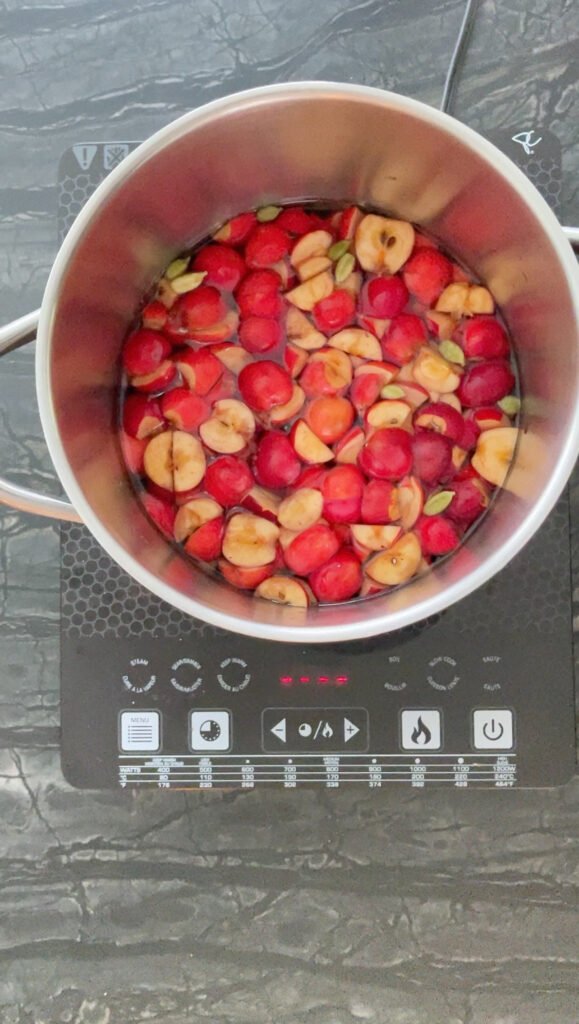
- An easy crab apple jelly recipe with minimal prep. No peeling or coring required! Just wash and trim the crab apples, quarter them, and put them in the pot. The skins and cores stay on while the fruit cooks; you’ll strain them out later. That’s about as easy as jelly making gets.
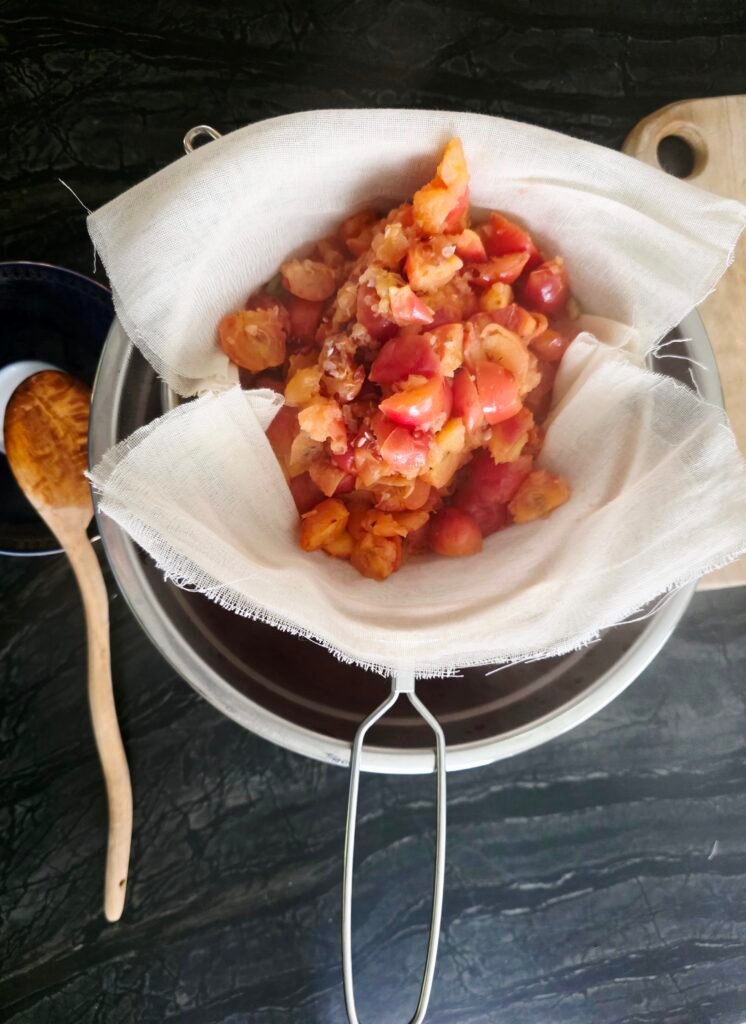
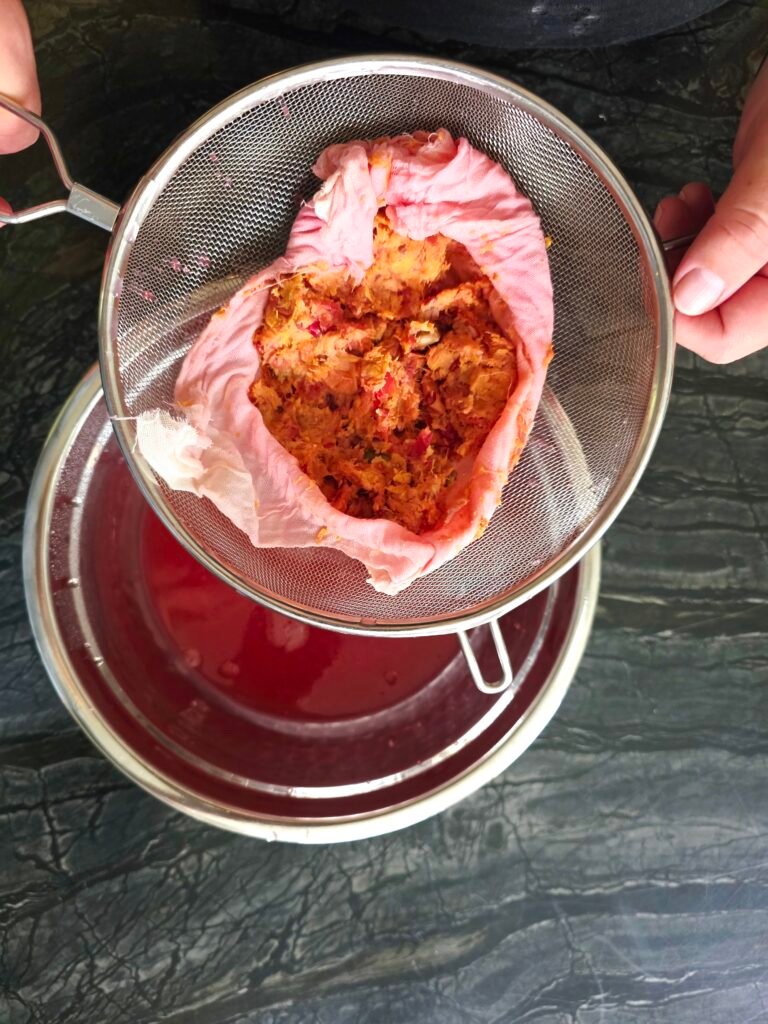
- No jelly bag required. A jelly bag is handy, but cheesecloth set in a fine-mesh strainer works, too. You can make this recipe with equipment you probably already have in your kitchen.
What to Do With Crab Apples? Why We Say – “Make Crab Apple Jelly!”
In July, we were looking for canning jars on Facebook Marketplace when someone offered to trade us jars for crab apple jelly.
The offer caught our attention. We hadn’t realised there was such a demand for it.
When fall came and crab apples were in season, we decided to make a batch of crab apple jelly to see whether we’d enjoy it, and, of course, whether people would actually buy it.
There’s already a tested crab apple jelly recipe from the National Center for Home Food Preservation (NCHFP). We could have followed it to the letter, but we wanted to make it our own.
- Our full sugar version adds dry green cardamom pods.
- Plus, we’ve developed a reduced-sugar crab apple jelly recipe made with Pomona’s pectin for those who prefer less sweetness.
We know some home canners look specifically for tested recipes, so we wanted to offer that reassurance, too. The full-sugar version stays within the tested parameters, while the lower-sugar version follows NCHFP guidance for low-sugar preserves.
As for the woman on Facebook Marketplace who offered to trade us canning jars for crab apple jelly, she wanted to buy the entire batch we made. We decided to keep one jar for ourselves, and she ended up buying the other four.
So much for crab apples being one of those fruits you never quite know what to do with!
Key Ingredients for Crab Apple Jelly
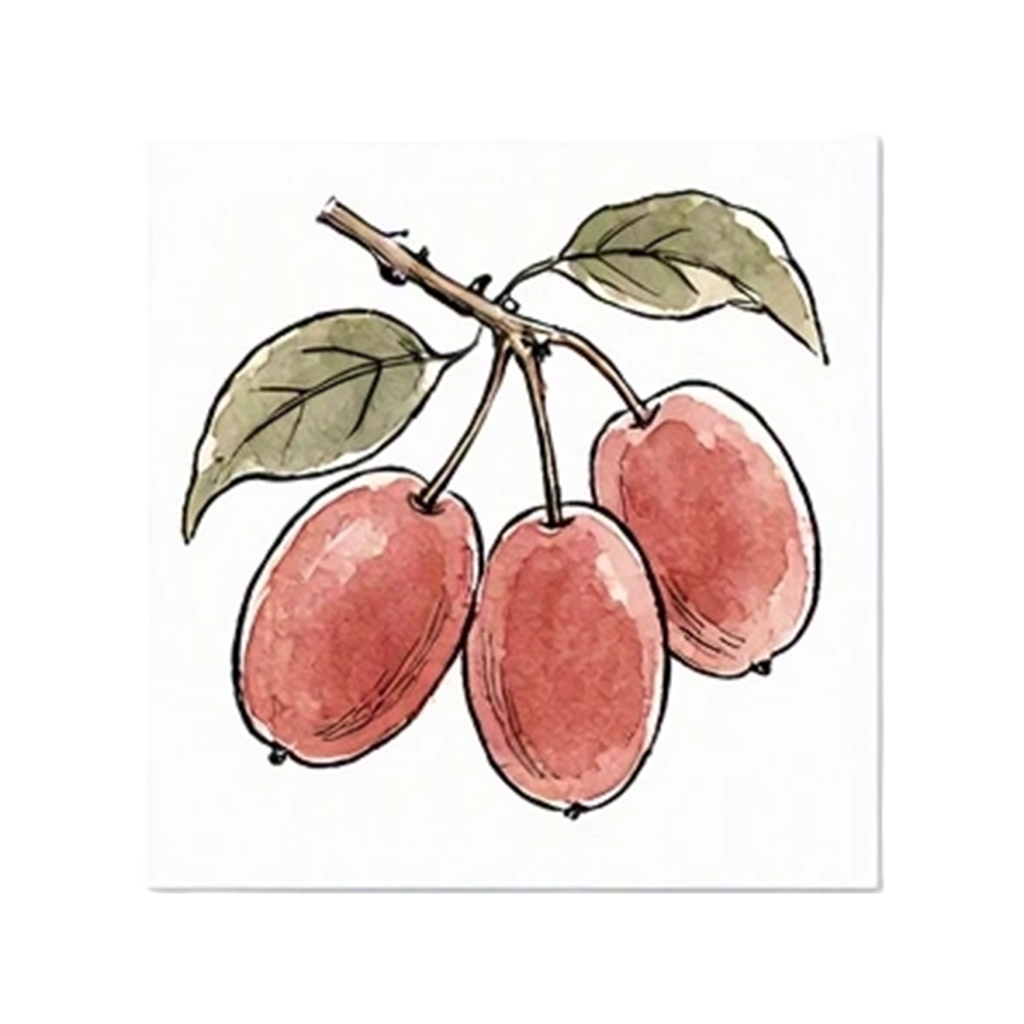
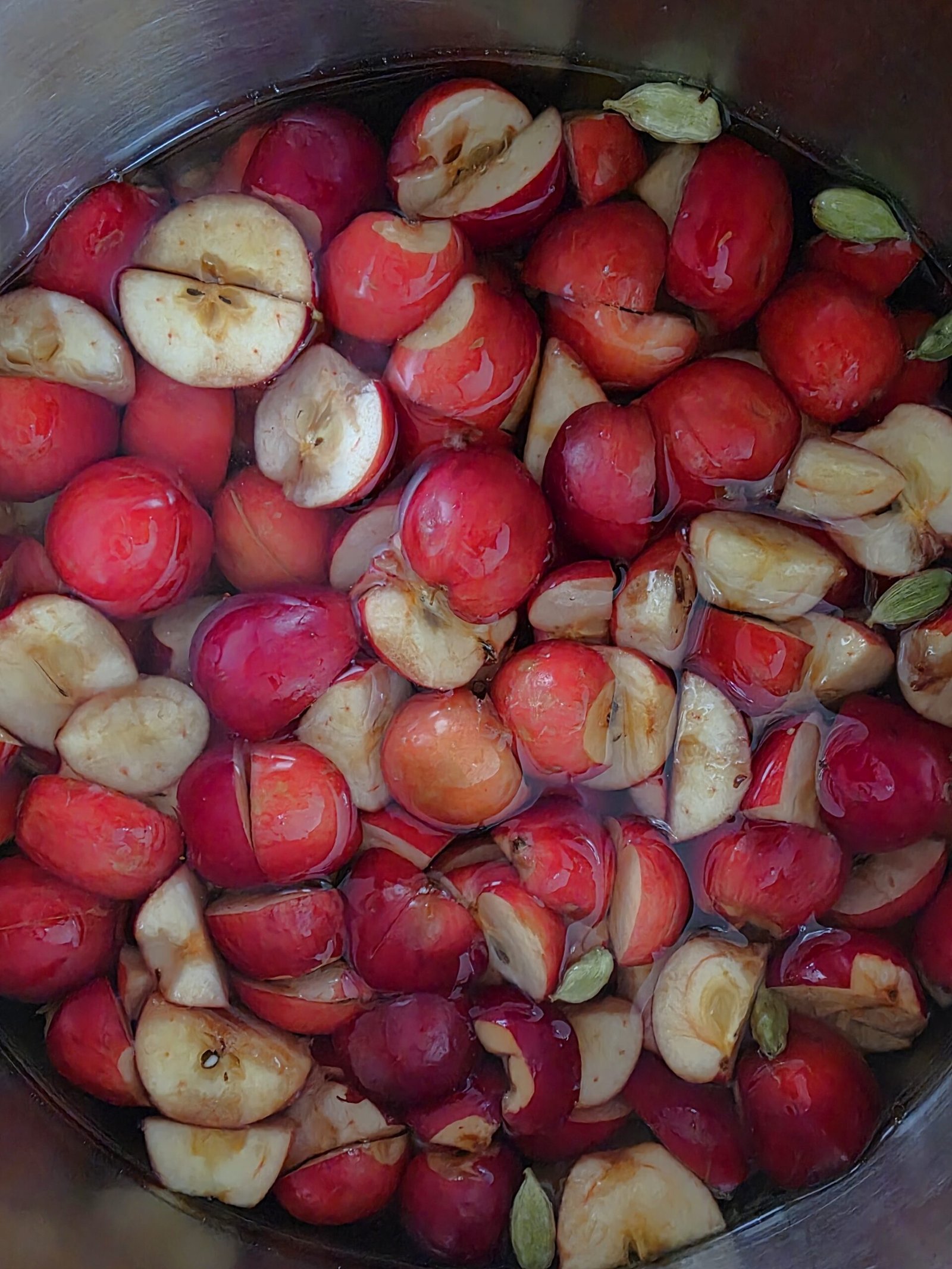
Crab apples
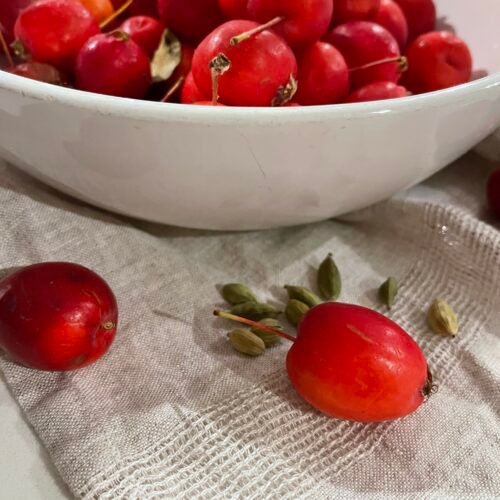
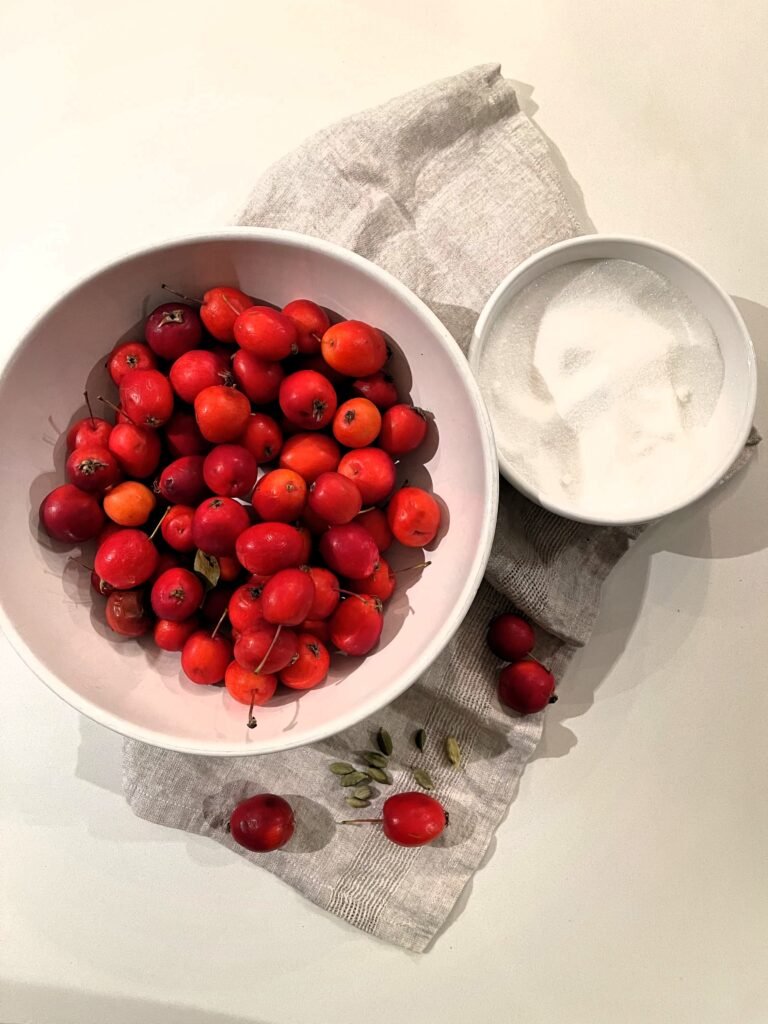
Choose firm fruit with minimum to no rotten or damaged spots. There’s no need to peel or core the apples. Just wash them, trim away minor blemishes or damaged spots before cooking, and quarter them before cooking.
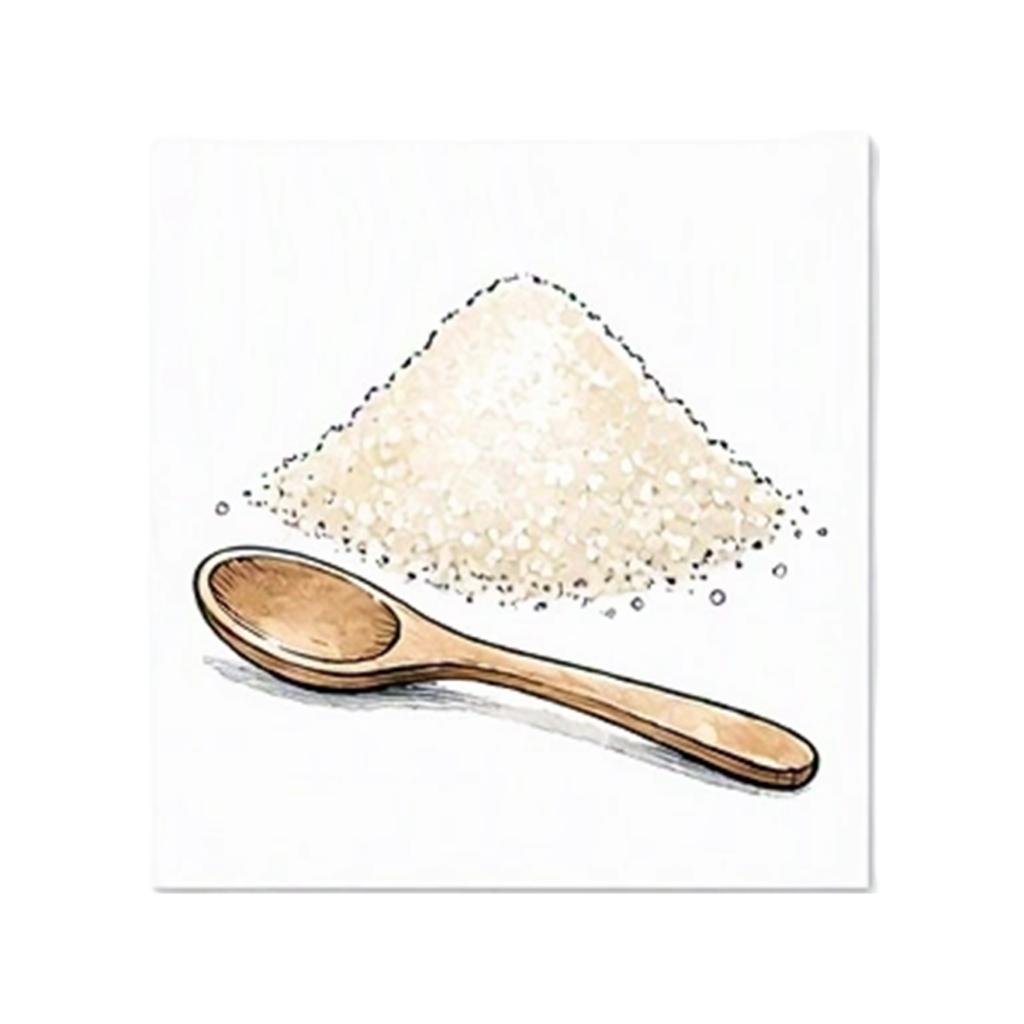
Sugar
The classic version of this crab apple jelly uses equal parts crab apple juice and sugar by volume.
For the reduced-sugar crab apple jelly, we reduce the sugar considerably and rely on Pomona’s Universal Pectin to help the jelly set.
We haven’t tried a no-sugar version of this crabapple jelly recipe, but it is possible to make one using Pomona’s pectin and a suitable sweetener, such as monk fruit or Splenda.
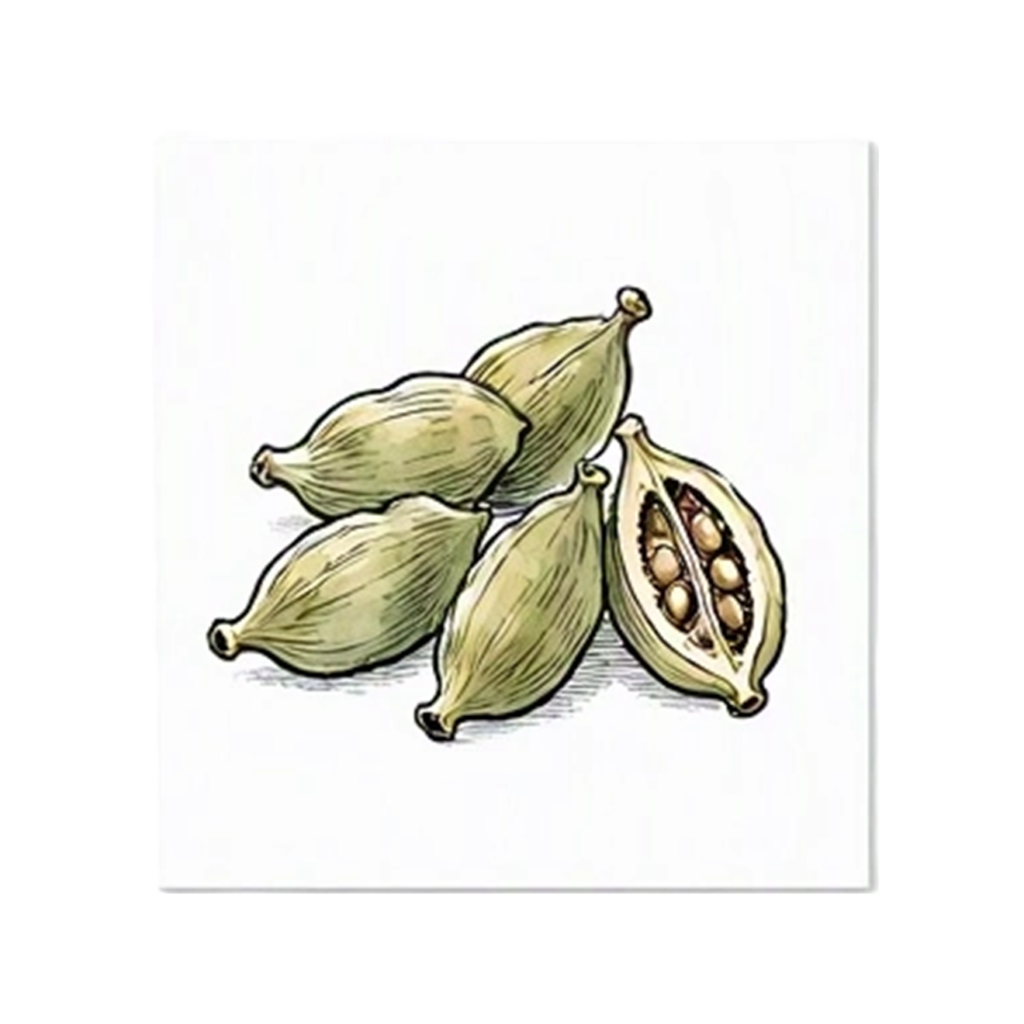
Green cardamom pods
We use dried green cardamom pods in this crab apple jelly recipe. Don’t substitute with ground cardamom; it’s much more intense and can easily take over the fruit’s flavour. If you don’t have whole pods, just leave cardamom out.
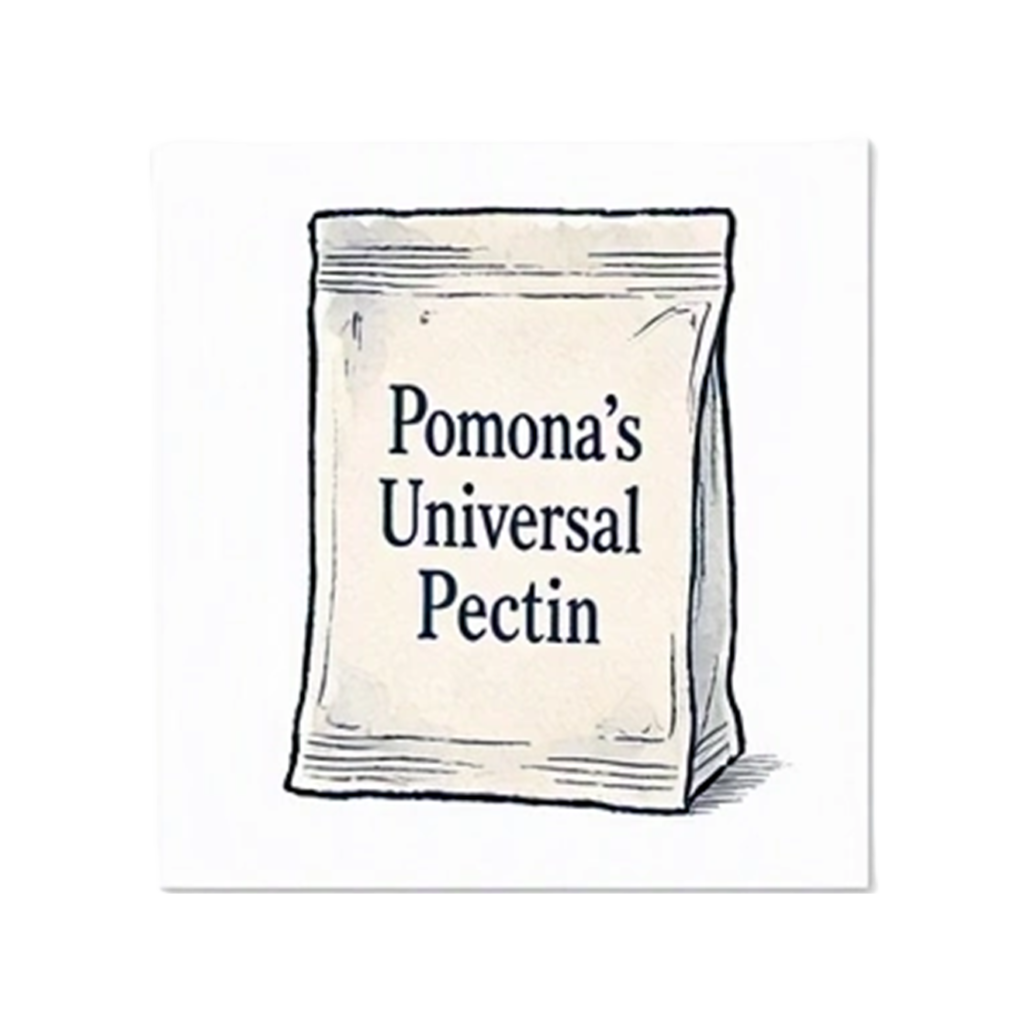
Pomona’s Universal Pectin (low-sugar version only)
Pomona’s doesn’t depend on a high sugar concentration to set, which is why it works for the lower-sugar crab apple jelly recipe. We used 1/2 teaspoon for 5 cups of juice, mixed into a portion of the sugar first so it doesn’t clump. While you can substitute with another pectin brand, remember quantities of pectin and methods required to set the jelly vary from brand to brand.
If seeing “pectin” on an ingredient label makes you worry about synthetic additives, take a deep breath – you are totally in the clear!
🍎🍊Powdered pectin is 100% natural fruit powder.
At a microscopic level, pectin is a soluble fiber that lives inside the cell walls of plants and fruits, acting like nature’s structural glue. The commercial powdered pectin you buy isn’t created in a chemical lab; it’s actually cleanly upcycled directly from real fruit! It’s extracted by gently simmering down citrus peels and apple pomace left over from the juice industry.
Beyond its magical ability to gel and thicken preserves, pectin is also a fantastic prebiotic that helps feed the good bacteria in your gut. 🧡 We love using high-quality powdered pectin because it lets us cut the sugar in our jams drastically without sacrificing that thick, beautiful texture or relying on weird artificial additives.
A Quick Note on Liquid Pectin: We stick strictly to powdered pectin! Commercial liquid versions often contain added chemical shelf-stabilizers and preservatives (like sodium benzoate) that we prefer to skip in our homemade jams and jellies.
Crabapple Jelly With or Without Pectin: Which Is Better?
If you are wondering whether you need pectin to make crab apple jelly the answer is – not for the classic full-sugar crab apple jelly recipe version. Crabapples are naturally rich in pectin. For that reason, you can make jelly without adding commercial pectin.
Our classic a.k.a. old-fashioned crabapple jelly recipe uses equal parts crabapple juice and sugar by volume. Cook the juice and sugar to the setting point, and the natural pectin will help your jelly set on its own.
However, if you prefer a less-sweet jelly, you should take a different approach. Our reduced-sugar crab apple jelly recipe uses Pomona’s Universal Pectin, which helps the jelly set with considerably less sugar. The sugar-juice proportions and cooking method are different, so follow the instructions for that version rather than simply cutting the sugar in the classic recipe.
But what if you want to avoid sugar altogether? It is possible to make jelly with Pomona’s pectin and suitable sugar substitutes, such as monk fruit sweetener or Splenda. Even though we haven’t made a no-sugar version of this particular crab apple jelly recipe, you should be able to make your jelly set with Pomona’s pectin as it works for jellies made with sugar substitutions as well as no-sugar added jellies. Reason being, Pomona’s pectin relies on a different pectin activation method than traditional commercial pectins.
Crab Apple Jelly Cost Breakdown
Crab apple jelly is a good way to turn a modest amount of seasonal fruit into something special for your pantry. To keep costs down, look for crab apples at your local farmers’ markets or Facebook Marketplace. Also, consider buying seconds with minor blemishes you can trim away. Since the recipe uses the juice rather than whole pieces of fruit, you don’t need perfect-looking apples. If you are a homesteader with crab apples, use fruit from your own tree! That will bring the cost considerably down.
| INGREDIENT | USD | CAD |
| Crab apples (2 lb / 907 g) | $2.98 | $4.50 |
| Sugar (5 cups) | $0.30–$0.45 | $0.25–$0.35 |
| Green cardamom (10 pods) | $0.10–$0.20 | $0.10–$0.25 |
| Total batch (5 half-pint jars) | $3.38–$3.83 | $4.85-$5.10 |
Cost per Jar: ~$0.68–$0.77 USD / ~$0.97-$1.02 CAD
That works out to less than a dollar per jar in Canada, or less in the US, based on our ingredient estimates. Comparable artisan crab apple jelly sells at specialty stores and on Amazon for around US$8 and C$11.50 – $12 for a similar-sized jar.
Unquestionably, making your own is a much more affordable way to stock your pantry with a preserve you won’t find on every grocery shelf.
Common Mistakes When Making Crabapple Jelly
❌ Adding Pomona’s pectin straight to the pot: Adding Pomona’s pectin to the pot will make it clump. Stir it into the reserved sugar first, then add it slowly to the hot cooking juice while stirring. If clumps appear, whisk hard. If they stay, strain the mixture, return it to the pot and bring it back to a boil.
❌ Trusting the clock over the plate: Jelly looks runny in the pot and firms as it cools. Put a spoonful on a chilled plate, wait, and push it with a finger. If the surface wrinkles, it’s setting. Overcooking weakens the pectin and dulls colour and flavour, so stop once it tests set.
Crab Apple Jelly (Old-Fashioned Full-Sugar or Reduced-Sugar with Pectin)

Pantry Master’s Note
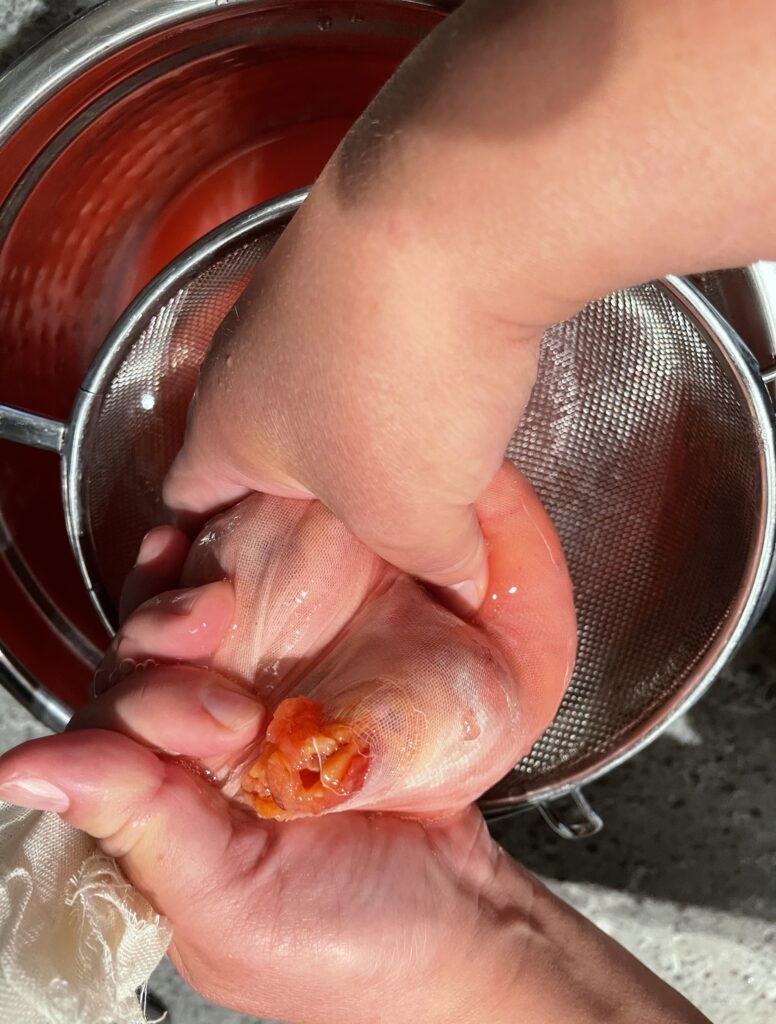
Once the crab apples have drained, you can recover more juice by gently squeezing the pulp. Gather all four corners of the cheesecloth and lift it into a little sack, then carefully press the pulp at the bottom to release the remaining juice. We recovered another 1¼ cups this way. That’s juice you can use to make more jelly, rather than leaving it behind with the pulp.Shop for our favorite, locally-made and best priced Cheese Cloth↗️
Canning Methods
Processing Table for Crabapple Jelly
Jar size: 1/2 pint (250 mL)
Pack style: Hot
Applies to: Water bath canner/ Atmospheric steam canner
| Altitude | Processing time |
| 0–1,000 ft | 5 min |
| 1,001–6,000 ft | 10 min |
| Above 6,000 ft | 15 min |
Not sure which elevation band is yours? Our Canning Altitude Calculator will give you the answer in a couple of seconds.
After sealing (all methods)
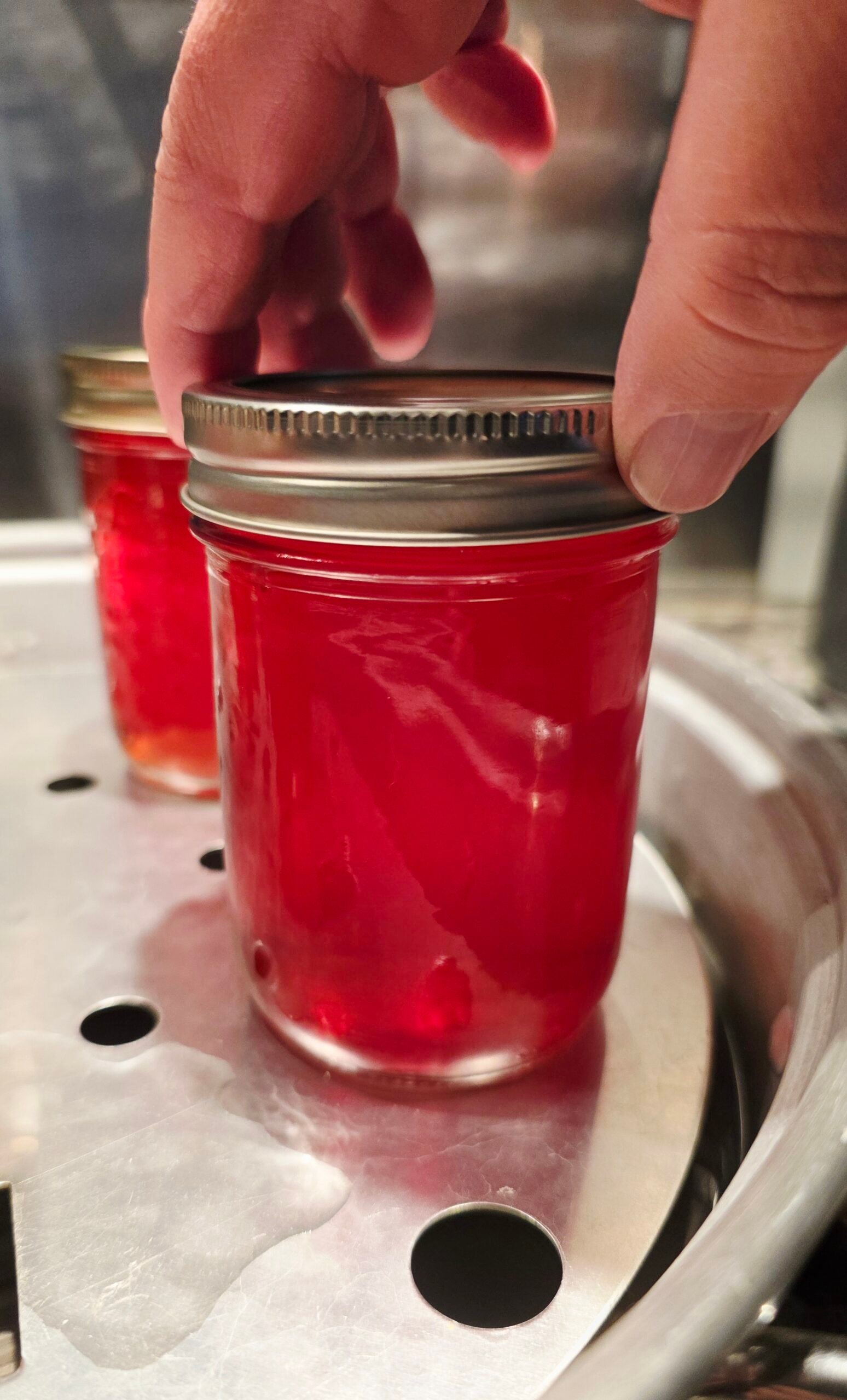
- Do not touch, adjust bands, or press lids for 12–24 hours.
- After cooling, check seals: press the center of each lid. If it doesn’t flex, the seal is good. Any jar that didn’t seal goes in the fridge → use within 3 weeks.
- Remove bands for storage (they trap moisture and can mask a broken seal over time). Label with contents and date.
- Store in a cool, dark place. Peak quality for 12–18 months.
Check your processing time/ canning pressure if you’re above 1,000 feet↗️
How to Make Crabapple Jelly – Step-by-Step Photo Gallery
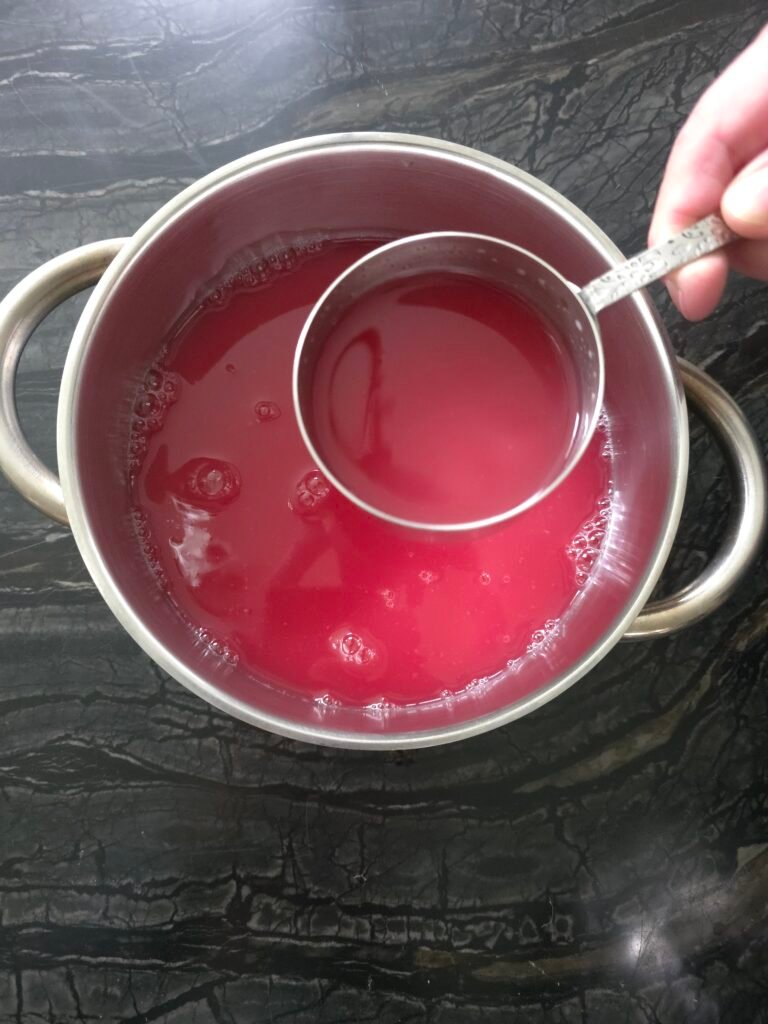
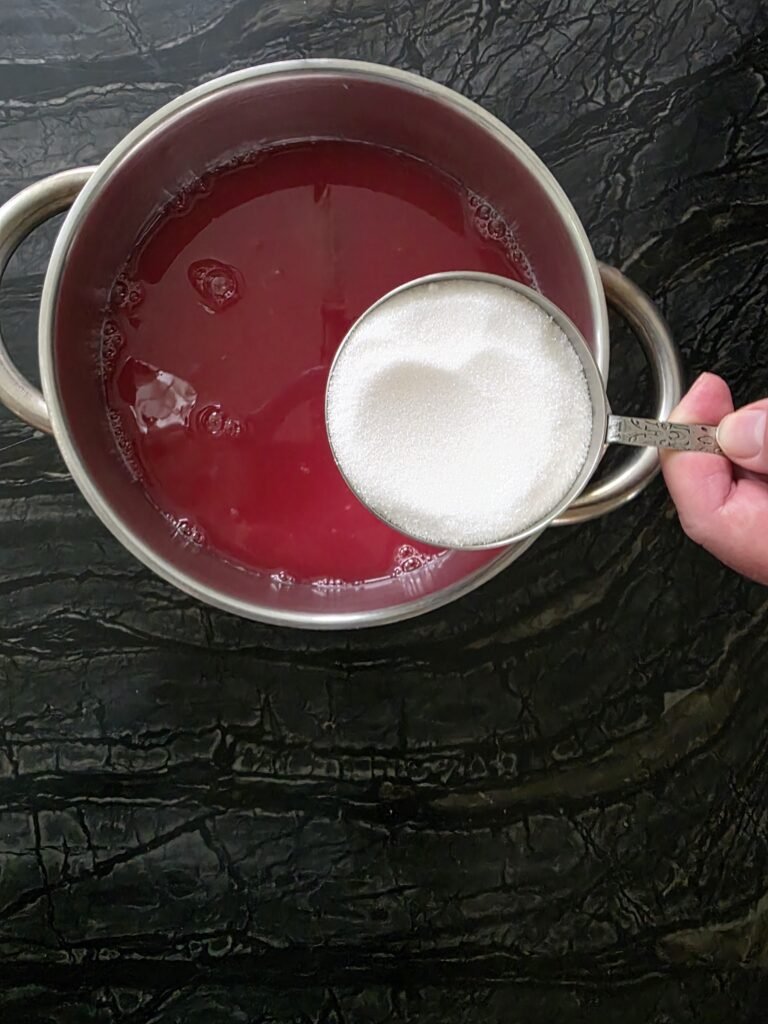
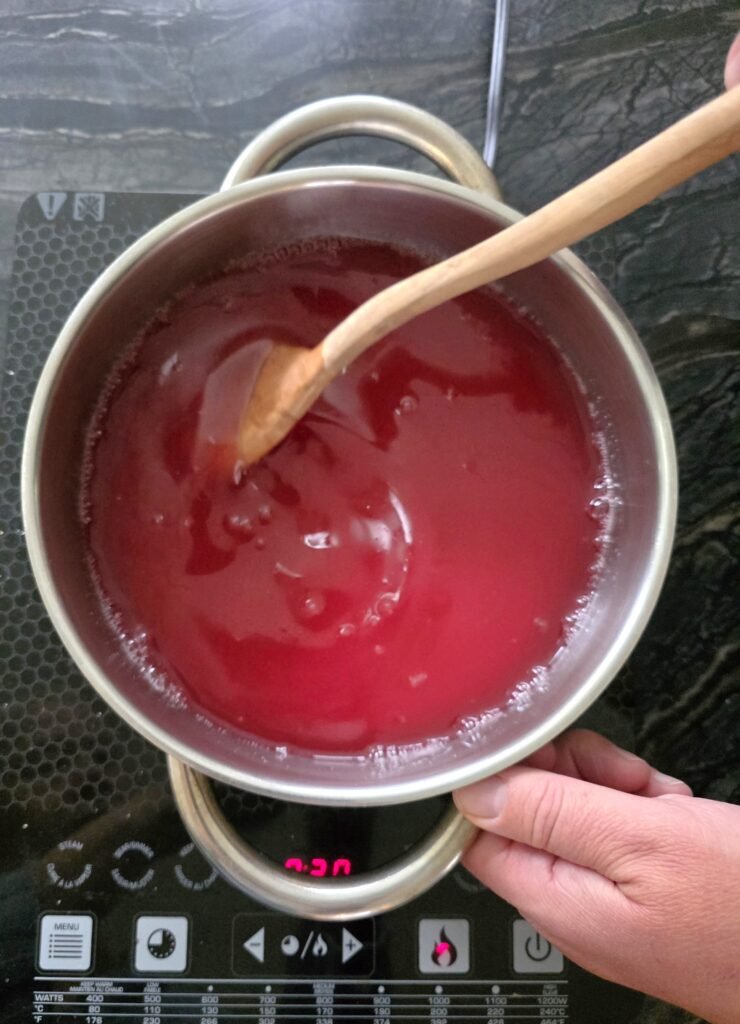
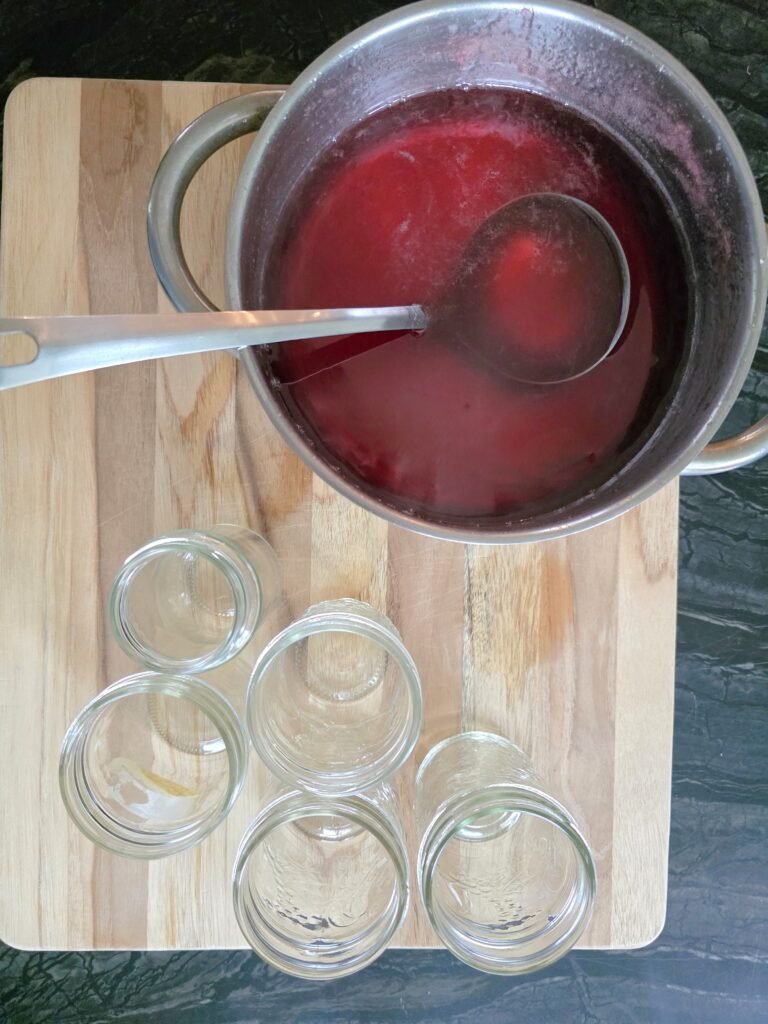
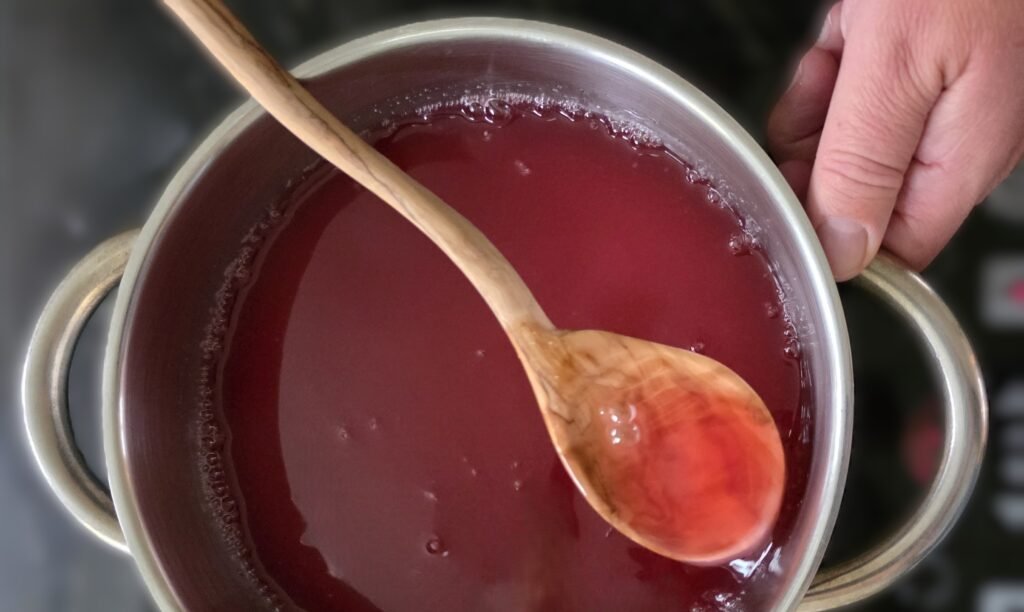
Pot of hot crab apple jelly ready for canning jars
How to Use Crab Apple Jelly
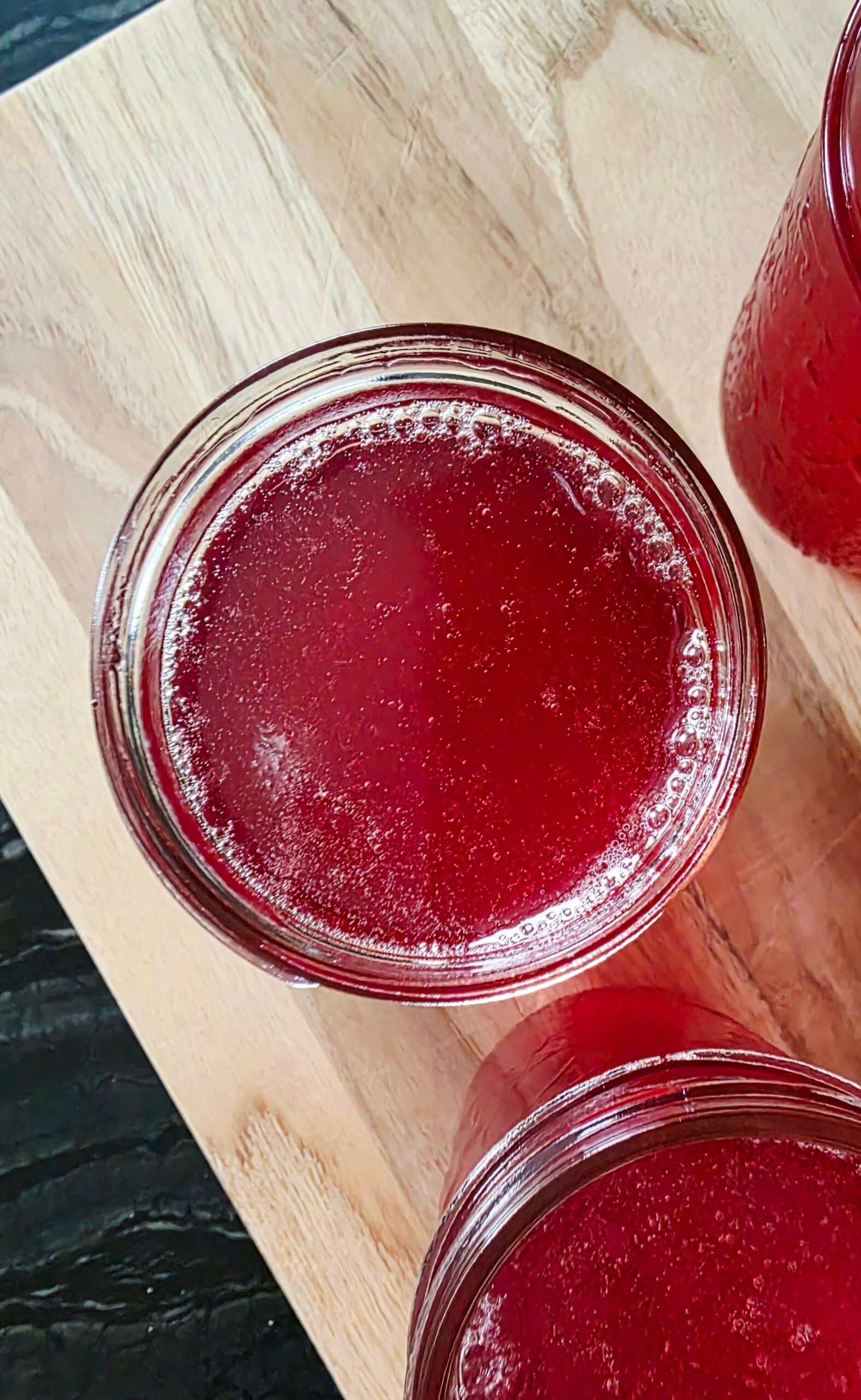
Our full-sugar crab apple jelly is very sweet, almost candy-like, while the reduced-sugar version has just a little tartness. Here’s how to use both:
- On toast or scones: Spread it straight from the jar.
- With cream cheese and crackers: Serve the jelly alongside cream cheese as a simple appetizer.
- As a meat glaze: Warm the jelly until melted, then mix with Dijon mustard and apple cider vinegar before brushing over pork or chicken.
- In gravy or pan sauce: Stir in a small spoonful, taste, and adjust the seasoning.
FAQ: Crabapple Jelly Recipe
You can double this recipe, provided you have a pot large enough to hold the ingredients with plenty of room for the mixture to boil without bubbling over. We don’t recommend tripling the recipe. A much larger batch is way harder to manage to the setting point. If you have a large harvest of crab apples, it’s better to make separate batches than to triple the ingredients in one pot.
━━━━━━━━━━━━━━━━━━━━━
One thing you absolutely should not do is peel or core crab apples! The skins and cores contribute natural pectin, which helps the classic full-sugar jelly set. You’ll strain out the solids before making the jelly. Simply wash the fruit, trim away any damaged or questionable spots, and quarter the apples before cooking.
━━━━━━━━━━━━━━━━━━━━━
Crab apple jelly can become cloudy if fruit pulp passes through the straining cloth. We strain our cooked crab apples through two layers of cheesecloth over a fine-mesh strainer. Yes, we do gently squeeze the cloth to recover more juice, but our jelly has remained clear. If you prefer, let the juice drain without squeezing, but expect to collect less.
━━━━━━━━━━━━━━━━━━━━━
If your crab apple didn’t set, usually it is because the jelly mixture wasn’t cooked long enough, the fruit had less pectin than average, or it hadn’t finished firming. Test on a chilled plate, and give jars a day or two before judging. For the low-sugar version, check that you measured the pectin exactly and mixed it with sugar first. If it still hasn’t set, follow the remaking instructions published by the NCHFP (classic) or Pomona’s (low-sugar).
━━━━━━━━━━━━━━━━━━━━━
Yes. Dolgo is a crab apple variety that works for jelly. As with any variety, colour, tartness and natural pectin vary with growing conditions and how ripe the fruit is, so check the set with a cold-plate test instead of relying on cooking time alone.
━━━━━━━━━━━━━━━━━━━━━
Yes. Crab apples are naturally acidic enough for water-bath canning, and sugar isn’t what makes them safe to can. However, reducing the sugar in a traditional crab apple jelly recipe can affect how well it sets. If you want less sugar, use our reduced-sugar crab apple jelly recipe made with Pomona’s Universal Pectin rather than simply cutting the sugar in the classic recipe.
━━━━━━━━━━━━━━━━━━━━━
In our experience, graininess depends on how you use Pomona’s Universal Pectin. When we combine it with sugar in our reduced-sugar crab apple jelly, without adding calcium water, the jelly doesn’t turn grainy. However, when we use sugar substitutes together with calcium water, graininess can occur.
━━━━━━━━━━━━━━━━━━━━━
While Pomona’s instructions include a calcium packet for making calcium water, we choose to leave it out of our reduced-sugar jelly recipes. For starters, we prefer the texture without it. Additionally, the calcium water has a very bitter taste that can leave an aftertaste, even when used in small quantities. We’ve tested this approach in countless batches of jams and jellies and found that Pomona’s Universal Pectin works in our reduced-sugar recipes without added calcium water. For our crab apple jelly, we recommend following the recipe as written here rather than adding calcium water from the packet.
━━━━━━━━━━━━━━━━━━━━━
Yes, you can make a reduced-sugar version using Pomona’s Universal Pectin, which allows jelly to set with considerably less sugar. Pomona’s also provides guidance for using certain alternative sweeteners, including suitable sugar substitutes. Follow a recipe designed for that sweetener rather than swapping it into the classic full-sugar version. Reduced-sugar or sugar-free jelly is not automatically suitable for everyone with diabetes; check the nutrition information of crab apples and choose ingredients that fit the person’s dietary needs.
━━━━━━━━━━━━━━━━━━━━━
Related Recipes

Join the pantry
Fresh recipes when the season calls for them. Preservation guides you can trust – every method, traditional to modern. Ideas for turning your pantry into weeknight dinners. Seasonal alerts that help you preserve more for less. Honest reviews of the tools that matter.
Tried this preserve? We’d love to hear how it turned out!