

Yellowfoot And Golden Chanterelle Mushroom Soup Made Easy
Views: 333
A friend shared a curious Finnish tradition: some people steep winter chanterelles, also known as yellowfoot, in coffee, creating a “mushroom coffee.” Is it true? Who knows. What we do know is that these wild mushrooms make an excellent chanterelle soup that lasts for many lunches and can even be preserved for later. So, next time you are tempted to put chanterelles into brewed coffee, consider making this wild mushroom soup instead.
Feel free to head straight to the recipe, or linger a little for a few helpful tips and flavor ideas to make this soup truly special. No long stories — just good, comforting food.
We had been thinking of going on a foraging trip for weeks, but for a lot of reasons, we couldn’t make the October dates. “So, what’s the point now?” we asked one experienced mushroom forager. “Are there even any mushrooms left?” The answer surprised us: there were still plenty of golden chanterelles, and the yellowfoot, also known as winter chanterelles, were just beginning to become plentiful.
And so we hit the road, hoping to pick enough mushrooms for a small pasta sauce. Yet, when we returned home and surveyed our haul, it was clear – we had enough chanterelles for a soup that would carry us through many, many lunches.
But what if wild mushroom foraging is not your “thing”, but tasty wild mushroom soup is? If that reads like you, you are in luck.
And no, we don’t mean Whole Foods, which often stocks chanterelles this time of the year. We mean the place where locals buy – Facebook Marketplace and local farmers’ markets. This is where we often see foragers unload yellowfoot and golden chanterelles at fair prices. Buy more than two pounds and you’ll usually score a discount, which is your cue to go big and make an oversized batch of this soup. Better yet, why not preserve it for the cold or rainy months ahead… when the forests are bare, the mushrooms are long gone, and you’re enjoying a bowl of chanterelle soup by the fireplace, the TV, or anywhere else you choose to savor this earthy, mushroomy goodness.
How to Clean Winter and Golden Chanterelles
Since you’re here, we’ll assume you already know why chanterelles are considered a choice edible wild mushroom. Their earthy, apricot-like, buttery flavor speaks for itself. However, if you don’t handle wild mushrooms regularly, you may feel overwhelmed at the prospect of cleaning them, especially with the internet full of conflicting advice. This is how we do it:


- Brush off loose dirt first: Use a soft wet brush or slightly wet paper towel to remove soil, moss, or other forest debris. This helps to protect the delicate caps.
- Rinse carefully if needed: We don’t buy into the “never wash mushrooms” camp. Winter chanterelles are sturdy enough to take a quick dunk in a bowl of water. Golden chanterelles are more delicate. We like to rinse them briefly under running water instead. Always dry mushrooms before cooking. If you’re short on time, don’t wash, brush with a wet brush instead.
- Dry thoroughly: If you only brushed your chanterelles with a wet brush, pat them with a clean towel. If you rinsed chanterelles, place them on a baking sheet lined with double layers of paper towels, then cover on top with another paper towel. Lingering moisture affects texture when cooking.
- No trimming needed: Both yellowfoot and golden chanterelle stems are tender and don’t need trimming.
- Watch for trapped debris in winter chanterelle funnels: Winter chanterelles (yellowfoot) have a characteristic funnel shape with hollow stems, which can trap dirt, pine needles, or even an occasional bug. Slice them in half and use a paring knife to remove anything stuck inside. This is not a problem with golden chanterelles.
How to Make Winter and Golden Chanterelle Soup – Step by Step
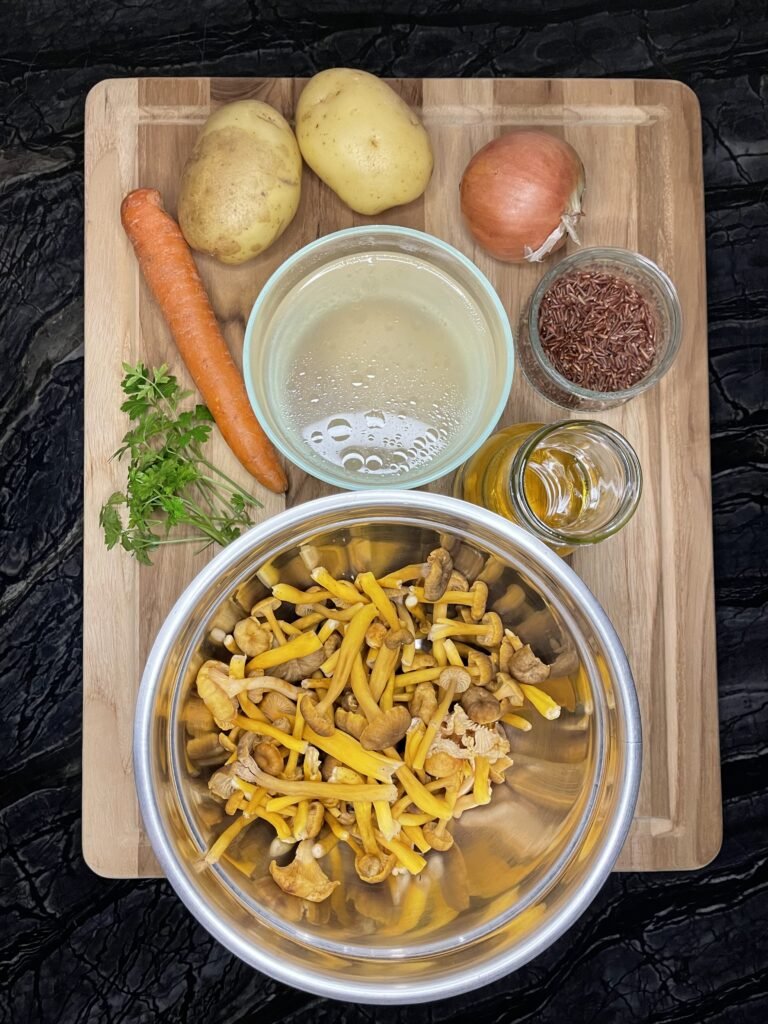
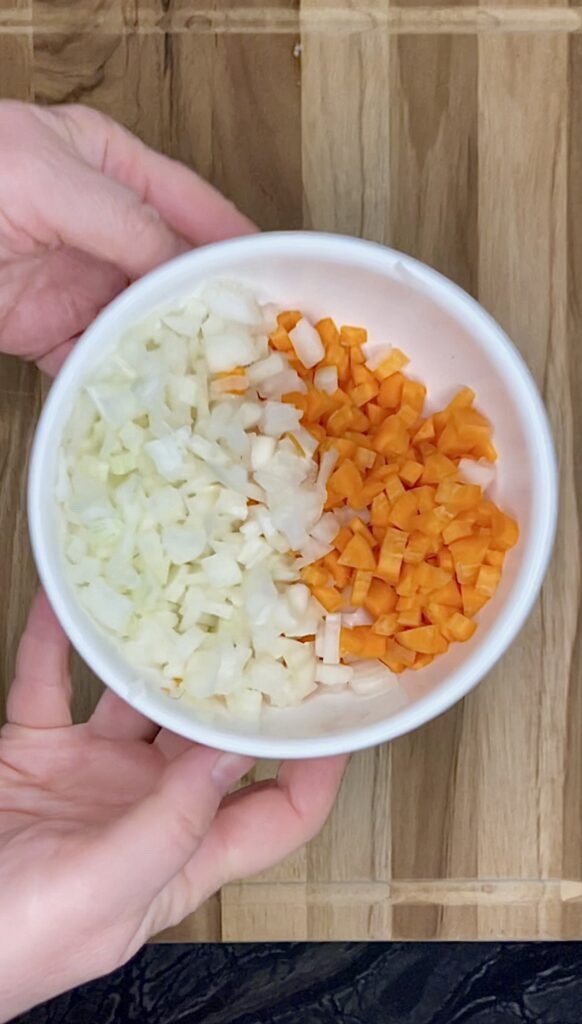
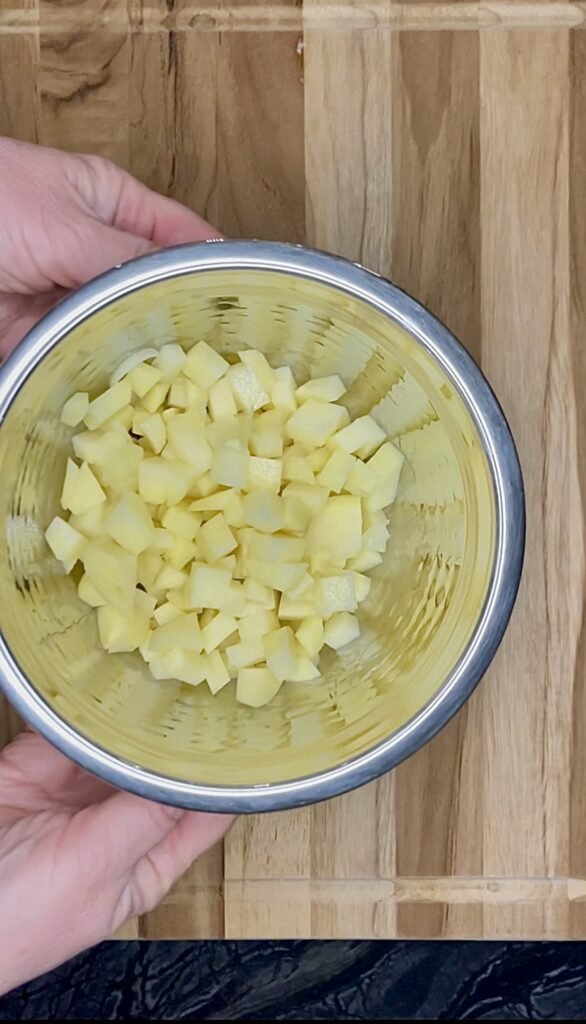
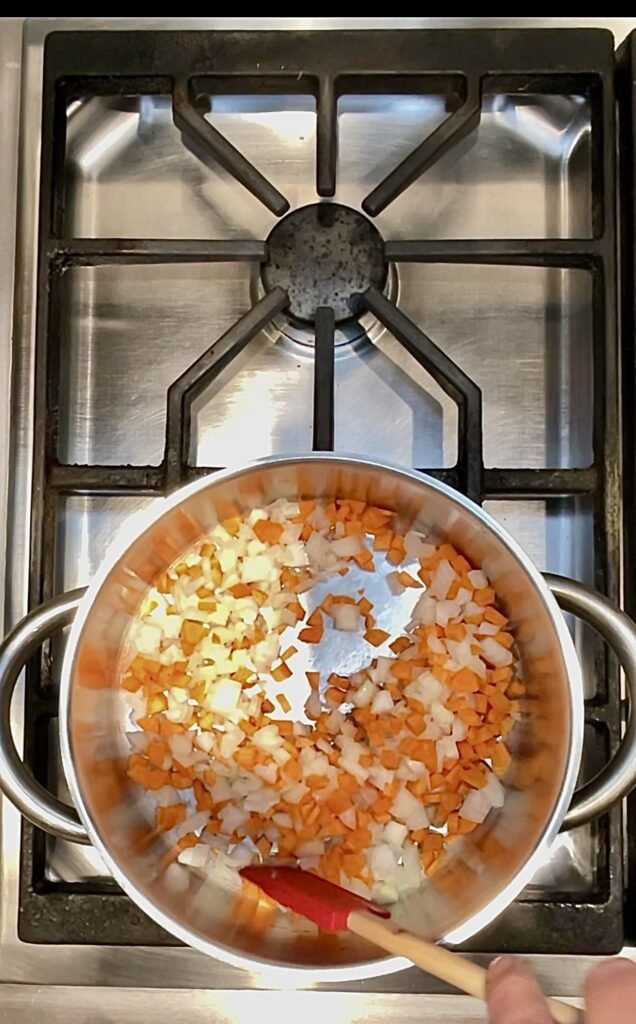
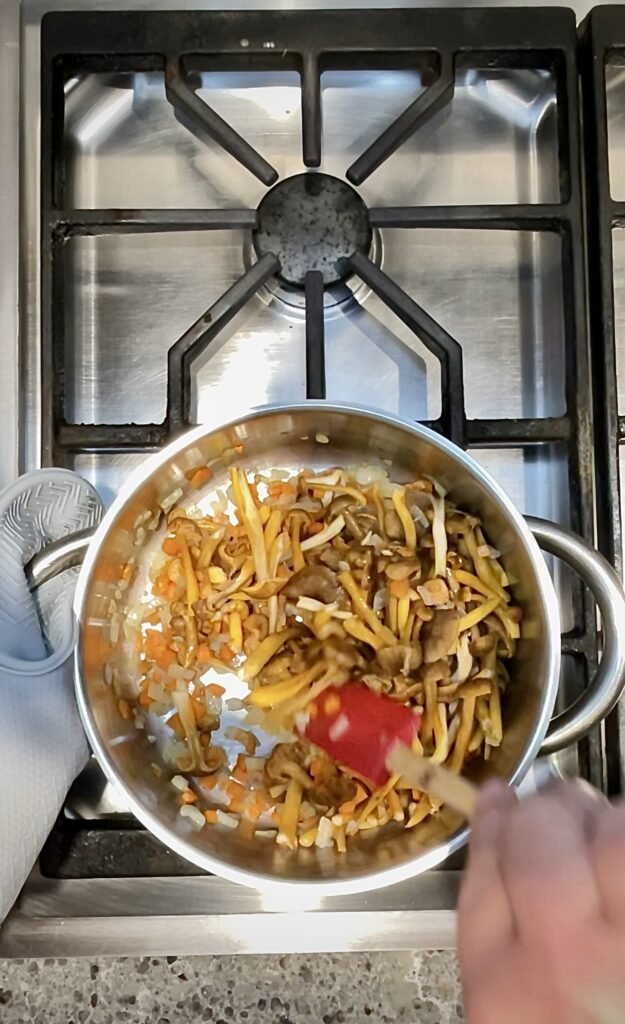
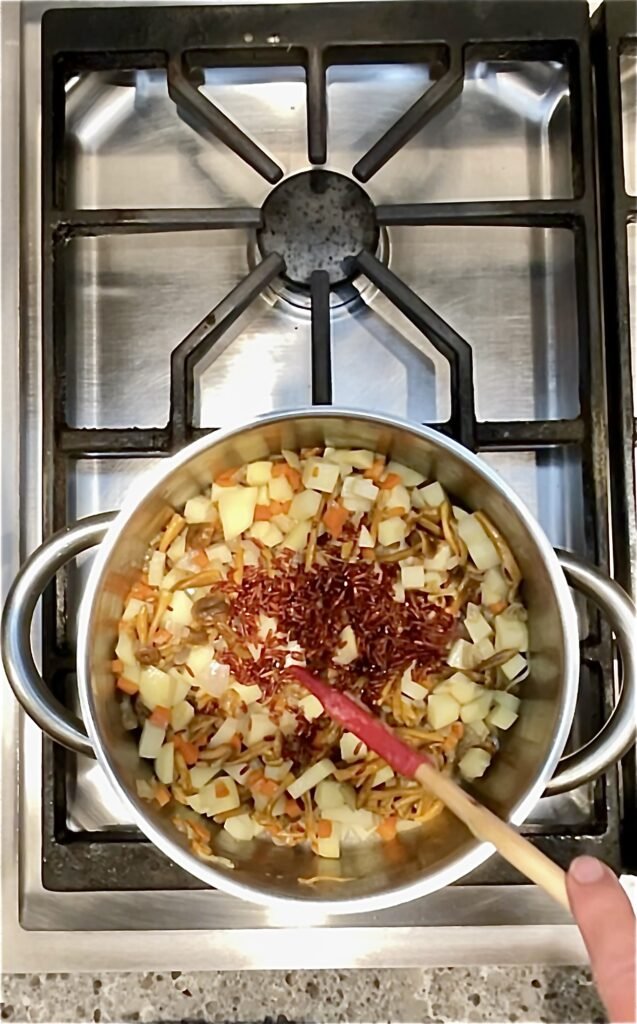
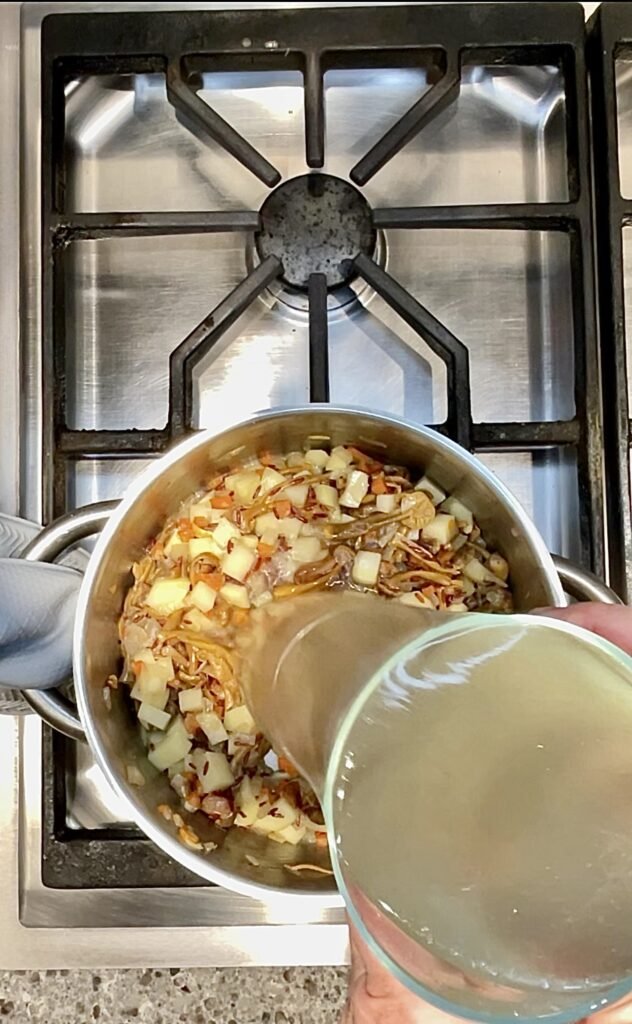
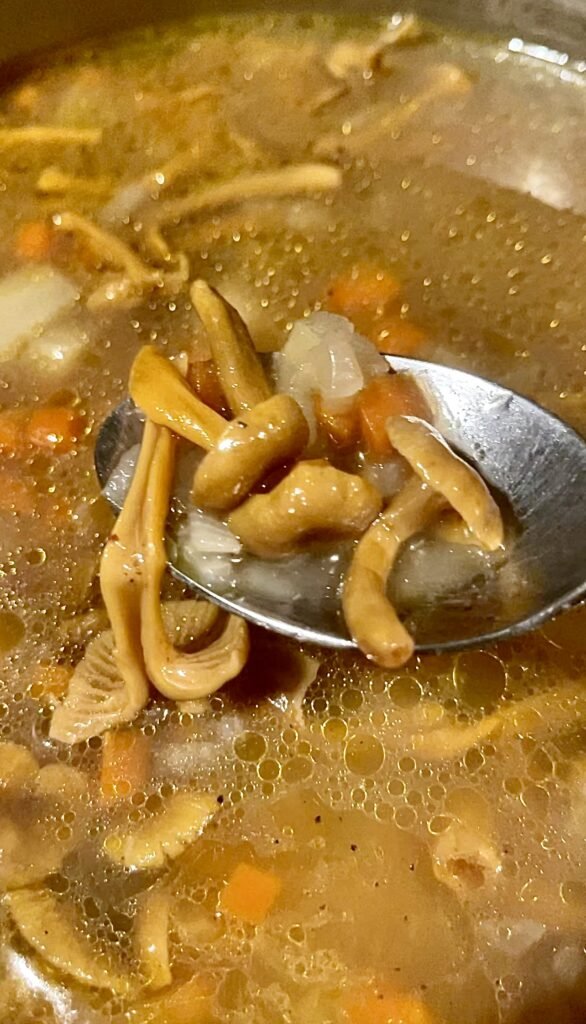
Winter and Golden Chanterelle soup made easy
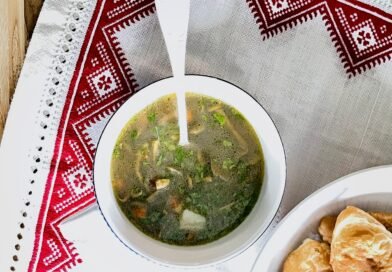
Ingredients
- 6 cups Chanterelles - lightly packed (300 g / ~0.66 lb) – whole or cut in half
- 2 Potatoes - medium size (400 g / ~0.88 lb) – chopped into small pieces
- 1 Carrot - large (150 g / ~0.33 lb) – diced
- ½ Onion - small (50 g / ~0.11 lb) – diced
- 3 tbsp Thai Red Rice - required if eating fresh; optional for freezing; omit for canning; add when reheating canned or frozen.
- 6 cups Chicken Stock - or vegetable stock (~1 ½ L)
- 1 tbsp Oil
- 1 tbsp Fresh Parsley – chopped
- Salt and Pepper - to taste
Instructions
Prep the vegetables:
- Clean the mushrooms. Peel potatoes, carrot and onion.
- Dice carrot and onions finely. Chop potatoes into small pieces – this is especially important if you plan to freeze this soup.
Sauté base flavors:
- Heat oil in a pot over medium heat.
- Add onions and carrots; cook until softened and translucent, about 5 minutes
Cook the mushrooms:
- Add mushrooms and sauté 2–3 minutes until fragrant, but don’t over-brown.
- Add liquids and potatoes:
- Pour in stock or water (use water to make the soup vegan).
- Add potatoes.
IMPORTANT – Rice handling:
- Fresh eating (when you’re serving the soup right after cooking): Add the Thai red rice at the same time as the potatoes.
- Canning: DO NOT add rice. Read the canning section in the post for instructions on adding rice after opening.
- Freezing: Rice is optional. Read the freezing section for guidance on adding rice once the soup is defrosted.
Cooking and finishing the soup:
- Bring to boil and cook for 30 minutes or until the rice is cooked to your liking.
- Stir in parsley, salt, and pepper.
- Serve immediately if eating fresh, or follow the freezing or canning sections of this post to preserve.
Make a batch! Then come back and tell us how this soup recipe worked out for you. Leave us a comment below, write us, like us on X, Facebook, Pinterest, Instagram and Blue Sky. And remember, sharing is caring!
Preserving Chanterelle Soup (When Rice Is Involved)
And now that we’ve covered cleaning mushrooms, let’s talk about what everyone eventually asks us abou: Can you preserve the soup if it contains rice? The answer is not that straightforward.
Why Freezing Soup With Rice Is Tricky:
Before you ladle soup into containers and shove them into the freezer, it’s worth understanding what rice actually does once it’s cold. Rice, and especially the usual pantry staples like white, jasmine, basmati, or Arborio, continues to absorb liquid even after cooking. In the freezer, this means:
- The grains keep soaking up broth.
- They swell, break, and turn into a soggy, porridge-like sludge.
- The texture after thawing is… let’s call it “a culinary heartbreak.”
However, Thai red rice we are using for this soup does not behave like regular rice. We specifically use Thai red rice in this recipe because it stays firm long after cooking. It has:
- A sturdy outer bran layer that prevents the grains from exploding in the freezer
- An earthy, nutty flavor that pairs seamlessly with winter chanterelles
- A chewy texture that survives cooking, chilling, and freezing
This rice doesn’t dissolve, doesn’t go mushy, and doesn’t sabotage your soup after thawing. It’s the perfect companion for winter chanterelles, especially when you need a soup that can stretch across multiple lunches.
Thai Red Rice Substitutes: What Works and What to Avoid
If your store is out of Thai red rice (or you are simply looking for ways to use up your existing stack of rice), you have options.
 These are the rice types/grains that go well with chanterelles and will freeze well too:
- Wild rice (technically not rice, but freezes like a dream)
- Black rice / forbidden rice
- Long-cooking brown rice
These rice and grains keep their shape, don’t burst, and complement earthy mushrooms.
 However, there are rice types that you don’ want in this soup, even if your pantry is overflowing with any of them. Avoid these at all costs:
- White rice (all types)
- Jasmine
- Basmati
- Sushi rice
- Arborio
- Calrose
- Parboiled or instant rice
All of these turn mushy, gritty, or fall apart after freezing.
Why Rice Should Never Be Included When Canning
This soup is not suitable for water-bath canning. If you’re planning to pressure can your soup, rice becomes more than a texture issue, it becomes a safety concern. Here’s why:
- Rice thickens the soup during canning, making it harder for heat to penetrate evenly. This creates unsafe cold spots inside the jar.
- Tested canning recipes strictly forbid adding rice, pasta, flour, or other starches.
- Even if it were safe (it is NOT), rice would still disintegrate into paste during the long canning cycle.
So the rule is absolute – if you are pressure canning your chanterelle soup, leave the rice out. Add it later when reheating your soup.
Best Practices for Using Rice in Soup
To make sure your soup stores well, here are the practices we follow:
If you plan to freeze your soup:
- Use sturdy grains (Thai red rice, black rice, wild rice).
- Cook the rice to about 75–80% doneness before freezing.
- Let the soup cool fully before freezing to prevent the rice from over-softening.
For pressure canning:
- Never include rice. Add it after opening, when serving.
- Follow tested soup-canning guidelines carefully.
For eating fresh:
- Cook the rice directly in the soup. Or, if you prefer firmer grains, cook it separately and add it to individual bowls.
Freezing Chanterelle Mushroom Soup
Freezing is by far the best preservation method for this soup, especially if you want to maintain the delicate aroma of winter chanterelles.
Steps for Freezing:
- Cook rice to 88–90% doneness or omit entirely
- Omit parsley
- Cool soup completely
- Portion into containers with 1-inch headspace
- Freeze up to 3 months
Soup Cooking Tips:
- Slightly undercooked rice will finish cooking when you reheat the soup. Alternatively, you can cook rice separately and add it to your soup when serving.
- Add fresh parsley after thawing your soup. This will help enhance flavor. Additionally, herbs do not freeze well, especially when submerged in a liquid like soup.
Canning and Water Bath Limitations
Important: This soup cannot be safely water-bath canned. Mushrooms, potatoes, and low-acid vegetables pose a botulism risk.
Pressure Canning:
Soup with rice is not suitable for pressure canning. If you decide to can this soup, we recommend omitting rice from the recipe completely. You can cook rice separately and add it to your soup when serving.
Use pints or quarts, maintain 1-inch headspace, and follow your canner’s instructions carefully.
Since there’s no tested recipe specifically for chanterelle soup, use the USDA’s general pressure canning guideline for mixed vegetable/ mushroom soup bases*:
| Jar Size | Process Time (Minutes) | Weighted Gauge Pressure (0-1000 ft) | Dial Gauge Pressure (0-2000 ft) |
|---|---|---|---|
| Pints | 60 | 10 lbs | 11 lbs |
| Quarts | 75 | 10 lbs | 11 lbs |
*Retrieved Nov 2025
- Our yellowfoot chanterelle mushroom soup uses USDA’s guidelines specifically designed for canning mixed vegetable/mushroom soups. 60 minutes for pints, 75 for quarts, as long as the soup stays thin and starch-free. We recommend the same times because this chanterelle soup fits the same composition profile but only if rice is left out and the broth remains thin.
- Altitude Adjustments: Consult the National Center for Home Food Preservation or a local extension office to determine the correct pressure for your specific altitude and canner type (dial vs. weighted gauge). Always refer to the most recent USDA Guide to Home Canning edition, for updated times and safety details.
Essential Guidelines
Mushroom Foraging Safety
- Only pick mushrooms you can identify with absolute certainty — some wild mushrooms are toxic or can cause gastrointestinal upset.
- Forage safely: learn the features, habitats, and look-alikes of edible species.
- Consider taking a foraging class, asking experienced foragers, or joining communities like the Mushroom Identification group on Facebook.
- Carry a trusted field guide such as All That the Rain Promises and More: A Hip Pocket Guide to Western Mushrooms.
- Golden rule: If you’re not sure, don’t pick!
Canning Safety
- Always use tested canning times, pressures, and ratios.
- Follow National Center for Home Food Preservation guidelines for soup processing — mushroom soups must follow soup standards, not standalone mushroom instructions.
- Any changes to ingredients, thickness, or ratios can affect safety.
- Keep the soup hot for hot-pack processing and follow all steps exactly.
- If your recipe differs from tested versions, freezing is the safer option.
- Refer to the trusted resources such as National Center for Home Food Preservation – Canning Soups; Mushrooms: Whole or Sliced, and Penn State Extension – Canning Vegetable and Mushroom Soups
FAQs
What if I only have golden chanterelles?
Lucky you! The soup will be brighter and slightly sweeter. But if your basket is full of winter chanterelles – no need to worry. Yellowfoot chanterelles make an equally fantastic, earthier, deeper-tasting soup.
Can I use dried chanterelles?
While it is possible to use dried chanterelles, you will have soup with a very different flavor. Make sure to rehydrate dried chanterelles in a freshly boiled water for 20 minutes and use the soaking liquid as part of your broth for a richer taste.
 Got questions? Don’t be shy – leave us a comment or send us a message without ever leaving the blog! [Contact us here.]
 Curious about reusable jars? Want to save money and be eco-smart? We’ve got just the article for you!
 Not sure how to sterilize canning jars? Find the answer about “dos and don’ts” of canning jars sterilization.
You May also like:
-

Not So Classic Italian Tomato Soup: Freezer and Canning Friendly, Make-Ahead Recipe
We start simple: onions, garlic, tomatoes. Classic Italian tomato soup, nothing fancy. Then…surprise! – turmeric goes in. Suddenly it’s not just tomato soup, it’s a flavor explosion. Strain it smooth,… read more
-
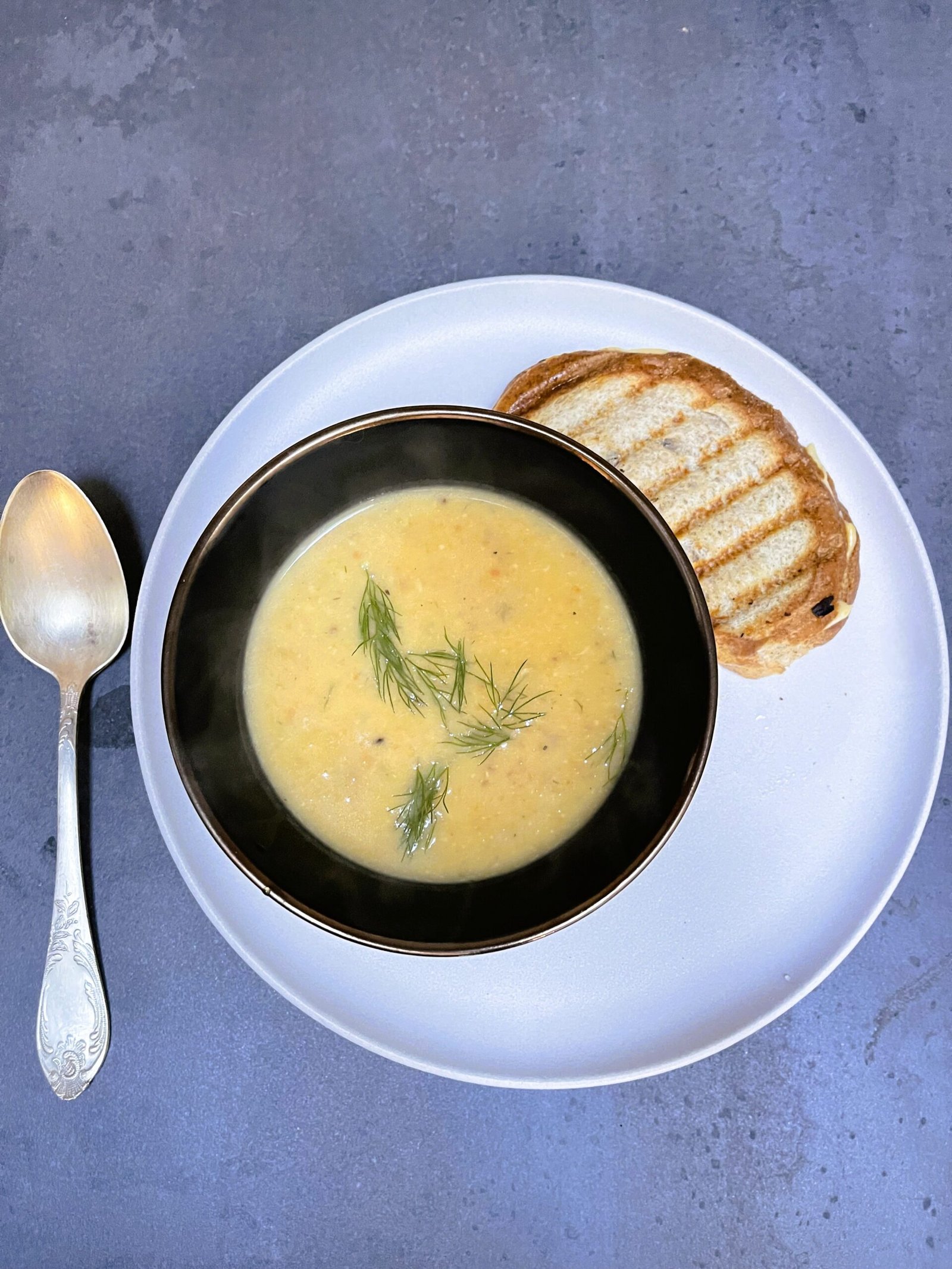
Creamy Potato Leek and Bacon Soup (Suitable for Pressure Canning and Freezing)
There are soups you make to impress, and then there are soups you make because you’re craving comfort, not applause. This potato leek and bacon soup is the food version… read more
-
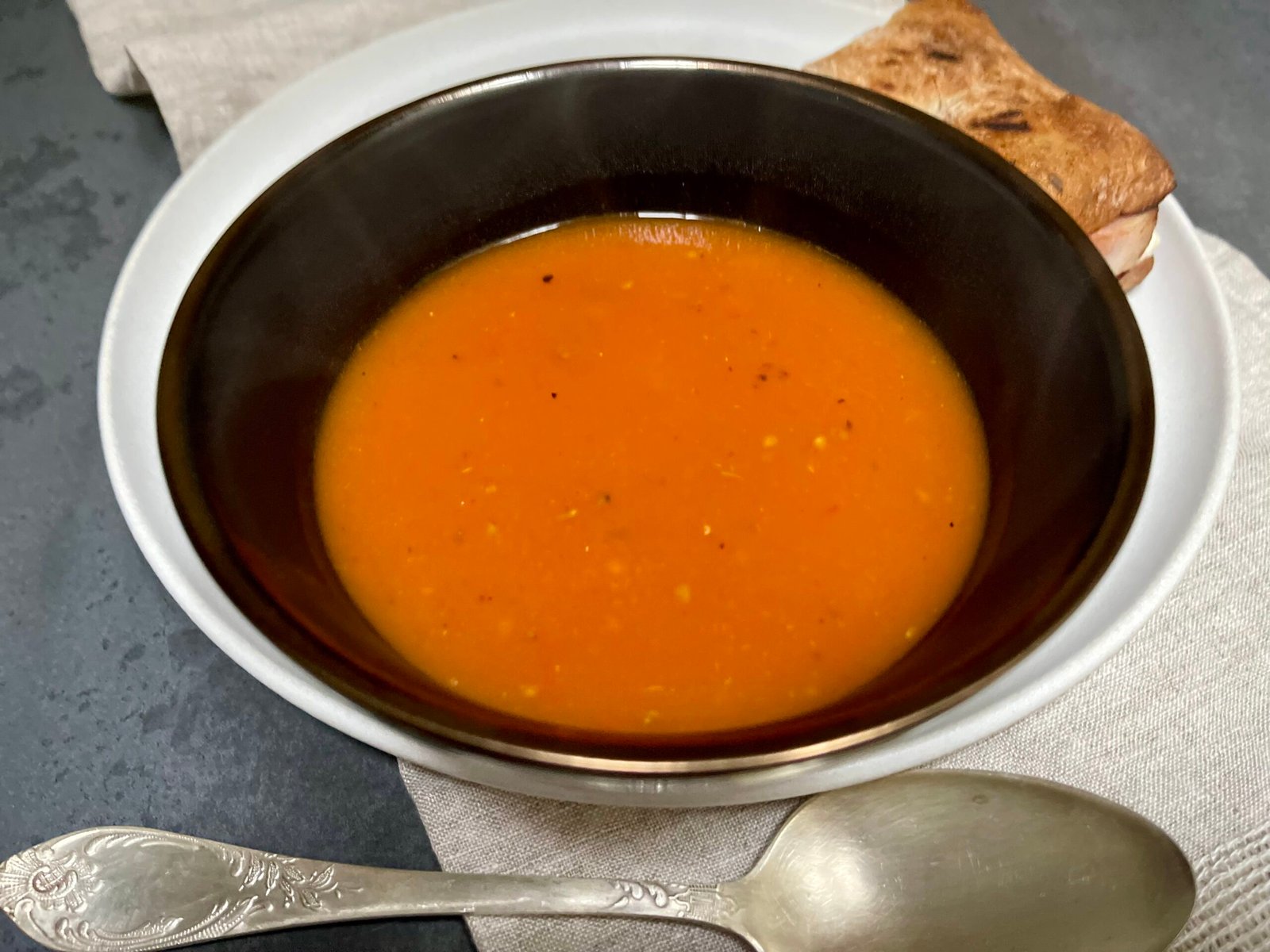
Roasted Red Pepper And Tomato Soup For Smart Meal Prep
Why pay for a meal kit or overpriced store-bought roasted red pepper and tomato soup? Make it yourself: cheaper, smoother, freezer-ready, and even pressure-canning safe! No subscriptions or mystery ingredients!… read more
-

Yellowfoot And Golden Chanterelle Mushroom Soup Made Easy
Did the forest or farmers’ market hand you golden or yellowfoot chanterelles? Did you grab them without thinking what comes next? Stop doom-scrolling, and ignore anyone claiming you should brew… read more
-
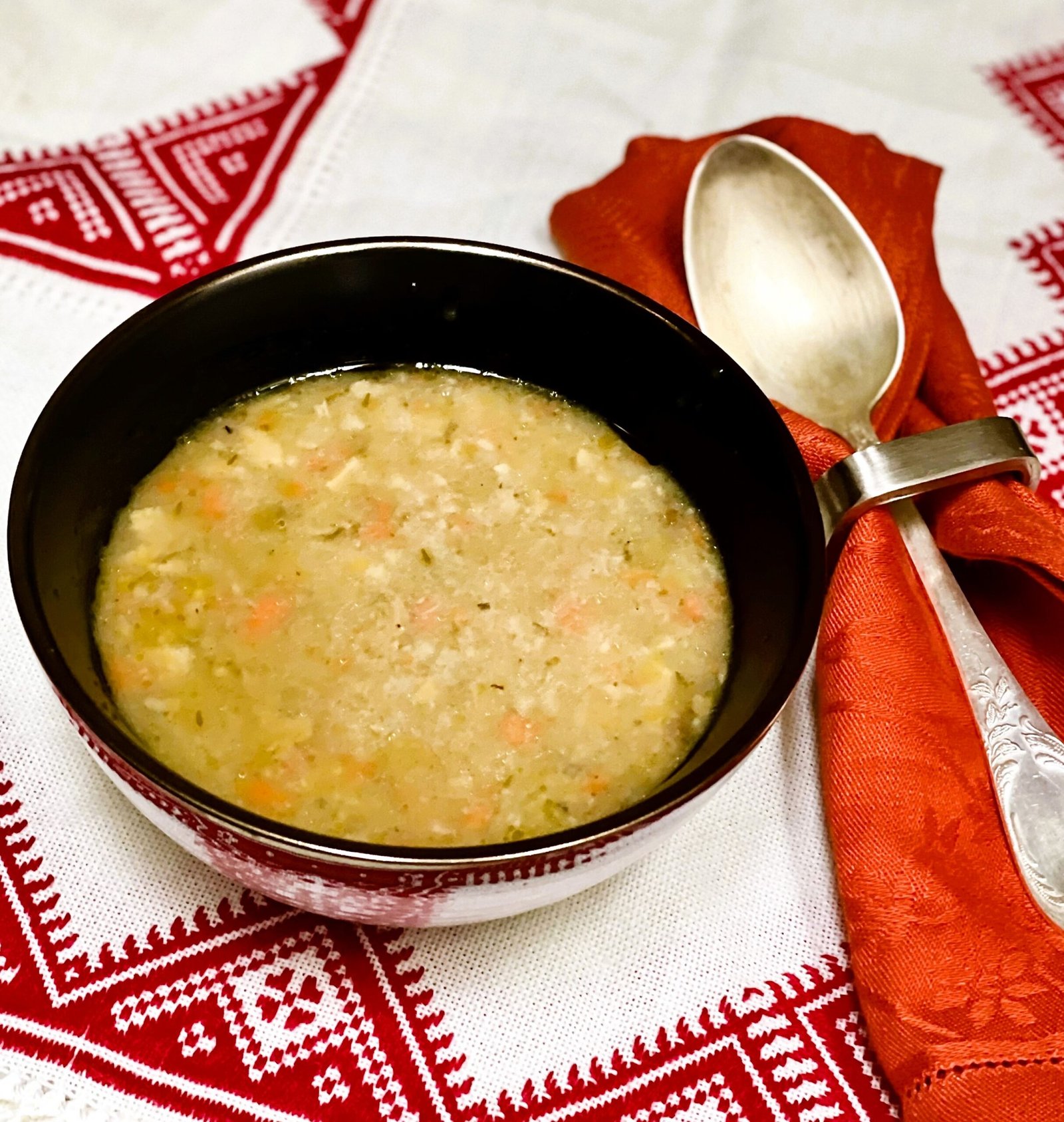
Dried Porcini Mushroom Soup: Rich, Earthy, And Freezer-Friendly
This dried porcini mushroom soup is the perfect intersection of simple cooking and mindful preservation. It’s rich without being heavy, earthy without being overpowering, and endlessly satisfying. It is also… read more
-
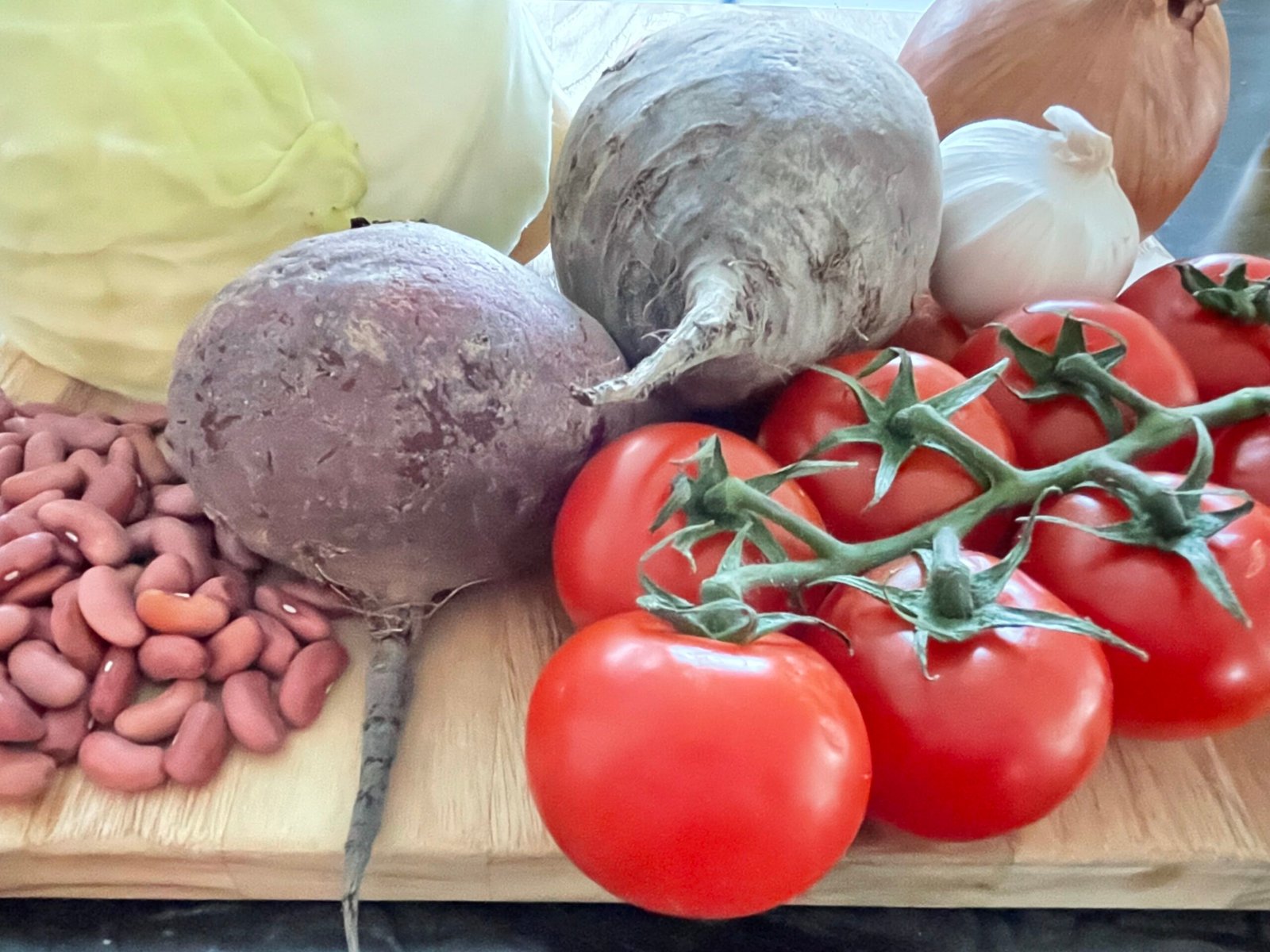
Modern Ukrainian Borscht: A Healthier Take On the Classic Dish
This borscht is a gift to your future self. It’s easy to make, feeds you for days, and freezes well for when you need it most. Whether you grew up… read more
-
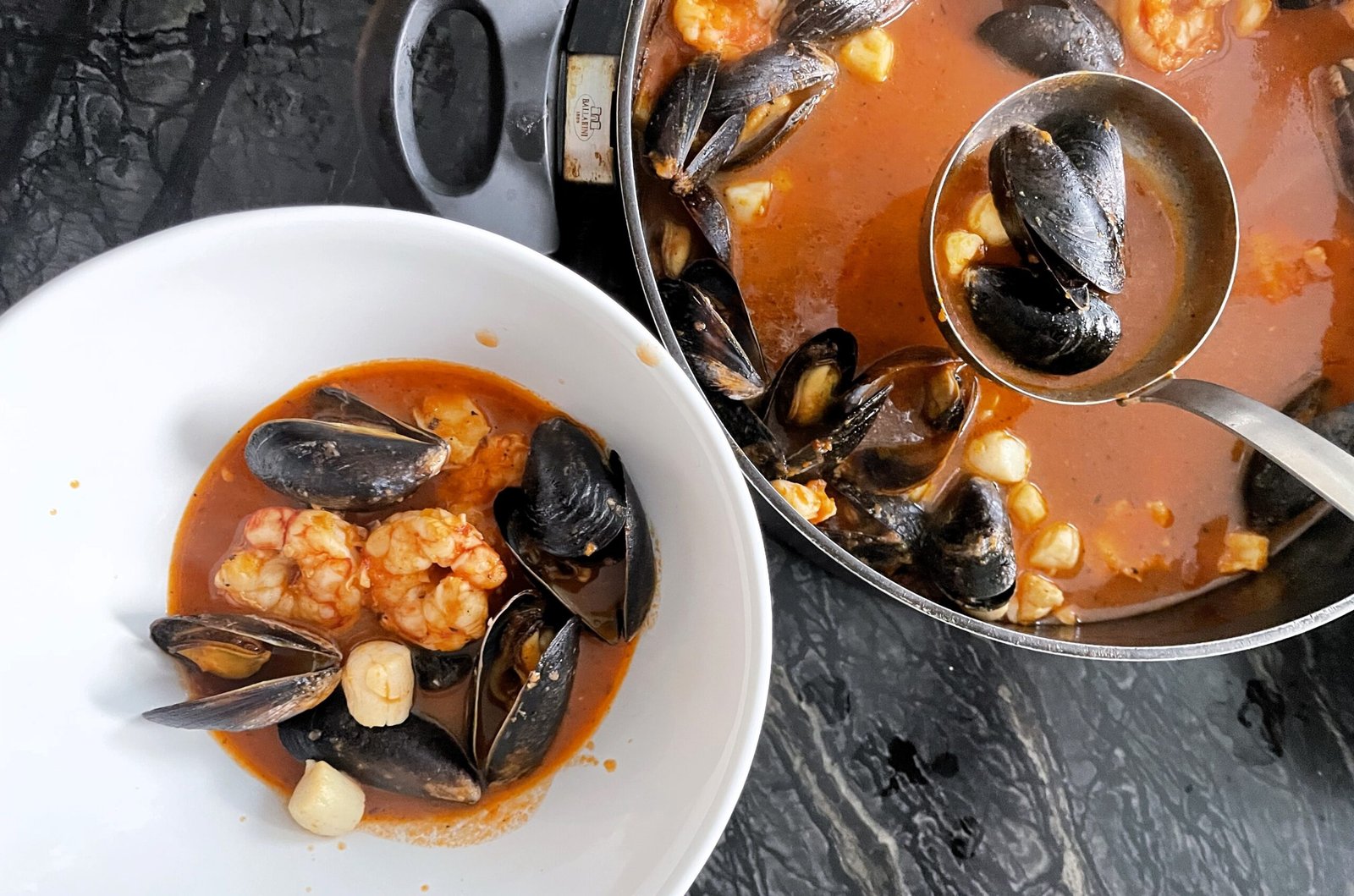
Cioppino Soup Base: Your Simple Solution For Fancy Quick Meals
Let us tell you something we never thought we’d say: Cioppino is weeknight food now. This classic dish from San Francisco, once reserved for splashy dinners with linen napkins, is… read more
-
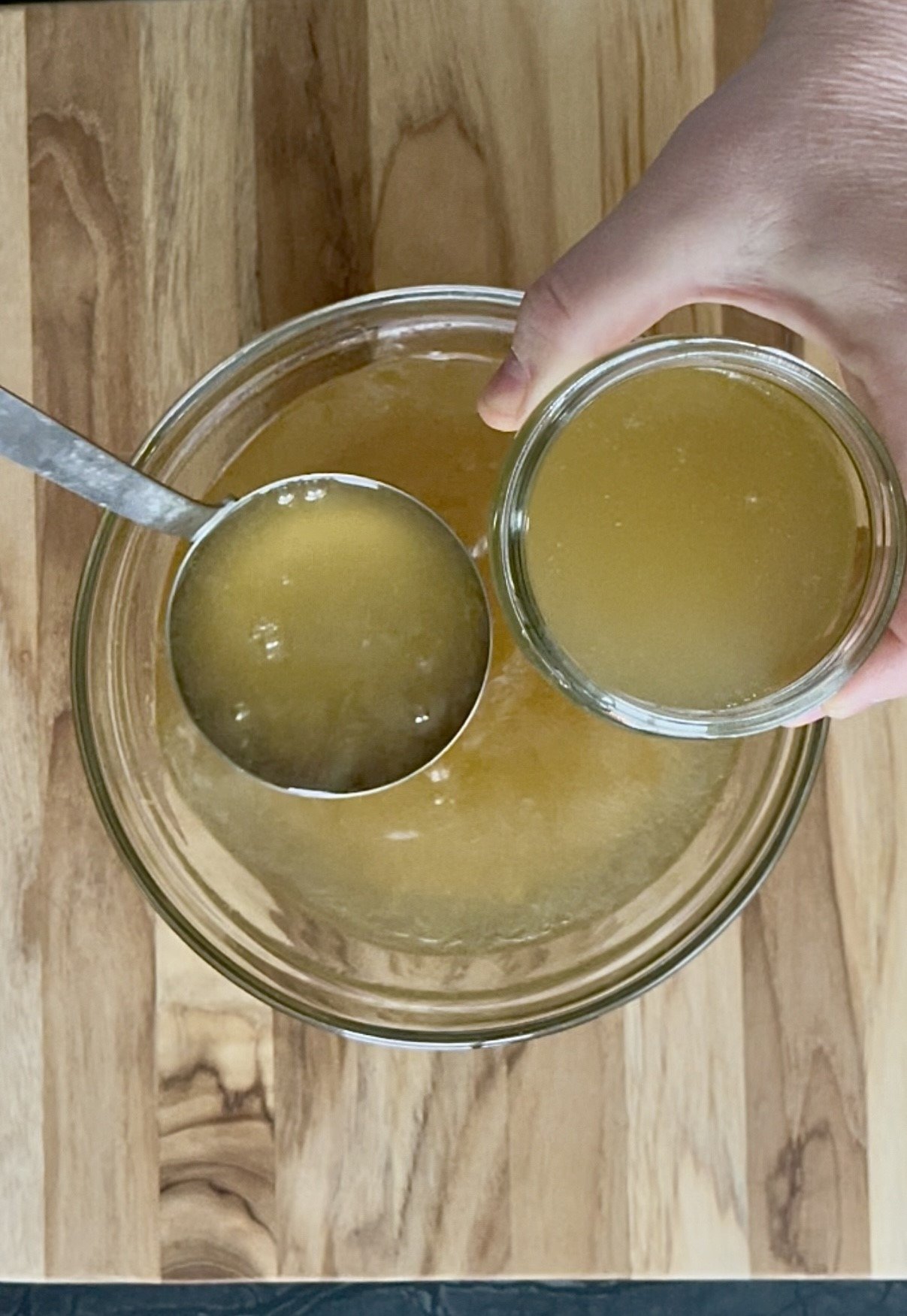
Smoked Bone Broth Chicken Broth – Your Kitchen’s Secret Weapon
Made with smoked turkey wings and chicken carcasses, this homemade bone broth chicken broth is best for soups, sauces, and sick days! It is also an ultimate make-ahead kitchen staple.… read more
-
How To Make And Preserve Vegan Roasted Tomato Soup
Still reaching for that can of tomato soup? It’s about time you upgraded to something fresh and delicious! Our roasted tomato soup is packed with fennel, garlic, onion and two… read more
-
Fish Stock Recipe: Make Now, Freeze For Future Meals
Fish stock is the workhorse of seafood dishes, adding rich flavor and depth. It’s simple to make, and a brilliant way to reduce kitchen waste. Next time you’re prepping fish,… read more

Leave a Reply