
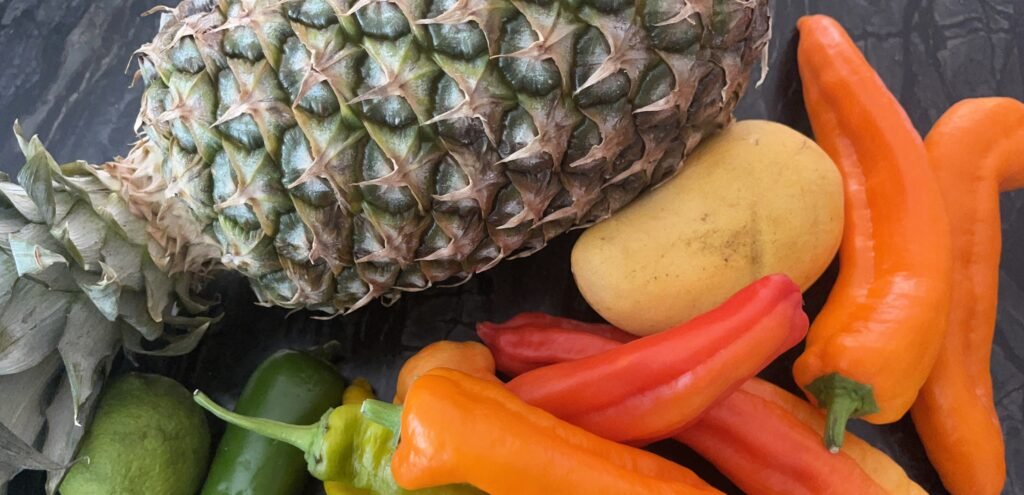
Pineapple Mango Pepper Jam Without Pectin
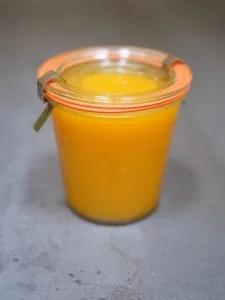
Pineapple mango pepper jam. Ready in about 1 hour. This hot pepper jam is made for canning, sets without pectin and has many uses.
🔪Prep: 30 min
🫕Cook time: 1 hr
🫙5 half-pint jars
💰Cost: ~$3 CAD per jar
Our pineapple mango pepper jam recipe is made with pineapple, mango, and mixed peppers. This hot pepper jam has balanced heat and a clean set without pectin. It is designed for safe water bath canning using vinegar and fruit acidity – no guesswork, no specialty ingredients. The result is a savory jam that holds up beyond toast: use it as a glaze, a condiment, or something you’ll actually reach for when cooking.
Why You’ll Love This Hot Pepper Jam:
- Naturally sets without pectin – fruit, sugar, and acid do the work
- Built for real meals, not just crackers – use it as a glaze, condiment, or finishing sauce
- Balanced sweet heat – pineapple lifts, mango smooths, jalapeño carries gentle warmth
- One batch = 5 jars – about an hour of work for months of use
- Costs about $3 – $5 per jar – replaces $10 – $14 artisan preserves
- Atmospheric steam canner/ Water bath canning friendly – straightforward, simple process
It started with a basic red pepper jam.
Bell peppers, sugar, vinegar – simple, reliable, and always the first jar to go. We made it the same way for a year. The next canning season we started wondering what would happen if we changed the pepper variety. Or added fruit. Or pulled the pepper back and let something else carry the sweetness.
This pineapple mango pepper jam is somewhere in the middle of that exploration.
It is fruitier than our original hot pepper jam. Sweeter than our pineapple pepper jam. The smoked paprika and cumin give it a warmth you don’t expect from a pepper jam.
Getting the pepper-to-fruit ratio right was the thing we fussed over most. Too little pepper and it tastes like exotic fruit jam. Too much and you lose what makes this pineapple mango pepper jam interesting.
We skipped pectin, planned for forty minutes, and cooked for sixty to get it set. We haven’t changed it much since.
As for whether it’s our favorite depends on the day and what’s on the plate. That’s the thing about these pepper jams. They shift completely depending on what goes in the pot. If you want to see how far it can go in other directions, we’ve covered most of them.
Key Ingredients in Pineapple Mango Pepper Jam

Mango – fresh or frozen?
Fresh is always best. If you have it, use it. We use Trader Joe’s frozen mango chunks when fresh isn’t worth the price. It’s the right quantity for this recipe and the quality is consistent. Just know that frozen mango has a softer, flatter taste that you’ll notice if you’re eating the jam straight from the jar. Either way, do not use canned mango or mango in syrup. It has already been processed! The jam will never set right if either of these are used
Peppers
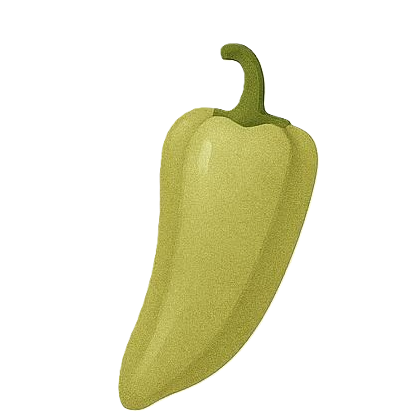
This is where this recipe lives or dies. Too little pepper and you’ve made fruit jam. Too much and you’ve lost the balance that makes this pineapple mango pepper jam worth making twice. We use cubanelle or Italian frying peppers. These are the long, tapered, pale to orange peppers you can find in your grocery store or farmers market.
Substitution: Green bell peppers are the closest substitute. For more heat, add a second jalapeño and leave the seeds in. Taking the seeds out is how you make it taste milder, not by changing the pepper.

Pineapple – why fresh matters here
Don’t try canned. Do not process the already processed fruit. Use fresh whole pineapple only and to save money – peel it yourself. You’ll get more flesh than pre-cut. Plus, you’ll get the acidity that makes this recipe work.
Apple cider vinegar – the acid source
This is what makes this pineapple mango pepper jam safe for water bath canning. This recipe is made without pectin, so the vinegar and the long cook time do the work together. Do not substitute with another vinegar and do not reduce the quantity. If you want less tang, adjust the sugar but not the vinegar.
What this hot pepper jam costs to make
The trick with this jam is buying your pineapple at the right time.
Whole pineapples drop to $1.99–$2.49 at most grocery stores from April through June. That’s when we stock up and make a big batch of this jam. For mango, Trader Joe’s frozen mango chunks ($2.99 USD / 16 oz) are the smartest buy: right quantity, consistent quality, zero prep waste.
Canadian readers won’t find Trader Joe’s, but a comparable frozen mango bag from any mainstream grocer runs around $4.50 CAD.
| Ingredient | USD $ | CAD $ |
| Mango, frozen – Trader Joe’s 16 oz (454 g) | 2.99 | 4.50* |
| Pineapple, 1 whole (~980 g peeled & cored) | 2.49 | 3.40 |
| Long, tapered frying peppers / cubanelles (750 g / 1.65 lb) | 3.90 | 5.25 |
| Jalapeños (2, ~40 g) | 0.45 | 0.60 |
| Granulated sugar (790 g / 4 cups) | 1.10 | 1.50 |
| Apple cider vinegar (540 mL / 2¼ cups) | 1.00 | 1.35 |
| Lime juice (2 limes / 60 mL) | 0.65 | 0.90 |
| Spices (smoked paprika, cumin, coriander) | 0.45 | 0.60 |
| Total batch cost (5 x 250 mL jars): | 13.03 | 18.10 |
Cost per jar: $2.60 USD / $3.62 CAD
A jar like this runs $14 to $18 at Whole Foods or a farmers market. You’re making five jars for what one of those costs.
Common pineapple mango pepper jam mistakes (and how to fix them)
❌Not draining frozen mango properly
- Thawed mango is wetter than it looks. That extra liquid goes straight into your pot and fights your set the entire way through. Drain it first, then measure. What goes into the recipe should be drained mango, not mango plus meltwater.
❌Skipping the juice yield check
- Pineapple and peppers’ juiciness vary a lot depending on how ripe they are. Before you add sugar and vinegar, check what you actually have. Got too much juice? Increase the sugar and vinegar proportionally to match. Got too little? Juice more of whichever ingredient came up short, or scale the sugar and vinegar down to what you actually have in the pot. Either way, measure first and adjust before you start cooking.
❌Using very ripe mangoes.
- Overripe mango cooks down sweet and soft. Slightly underripe mango holds its acidity better and keeps this hot pepper jam from becoming a sweet fruit preserve.
Pineapple Mango Pepper Jam – No Pectin Canning Recipe
Canning Method
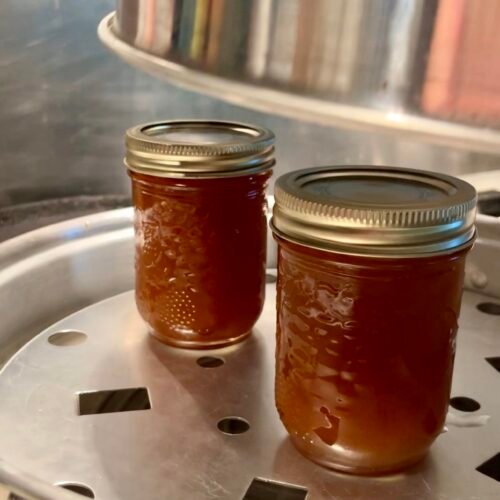
This is a high-acid, jelly style preserve. While the standard processing time for jellies is 5 – 10-15 minutes, we recommend the NCHFP’s optional 10-minute boiling water/ atmospheric steam canner process that is believed to provide a stronger vacuum in the jar for hot pepper jelly type preserves.
Both water bath canning and atmospheric steam canning use identical processing times for this recipe. We typically use an atmospheric steam canner for speed and lower water use, but a water bath canner works equally well and is the most widely used method in home preserving.
Processing table – Steam Canner & Water Bath
Jar size: Half-pint or Pint (8 oz / ~250 mL or 16 oz / ~500 mL)
Pack style: Hot
Applies to: Atmospheric steam canner AND water bath canner (same processing times)
| Altitude | Processing time |
| 0–1,000 ft | 10 min |
| 1,001–6,000 ft | 15 min |
| Above 6,000 ft | 20 min |
Not sure which elevation band is yours – our Canning Altitude Calculator will give you an answer in a couple of seconds.
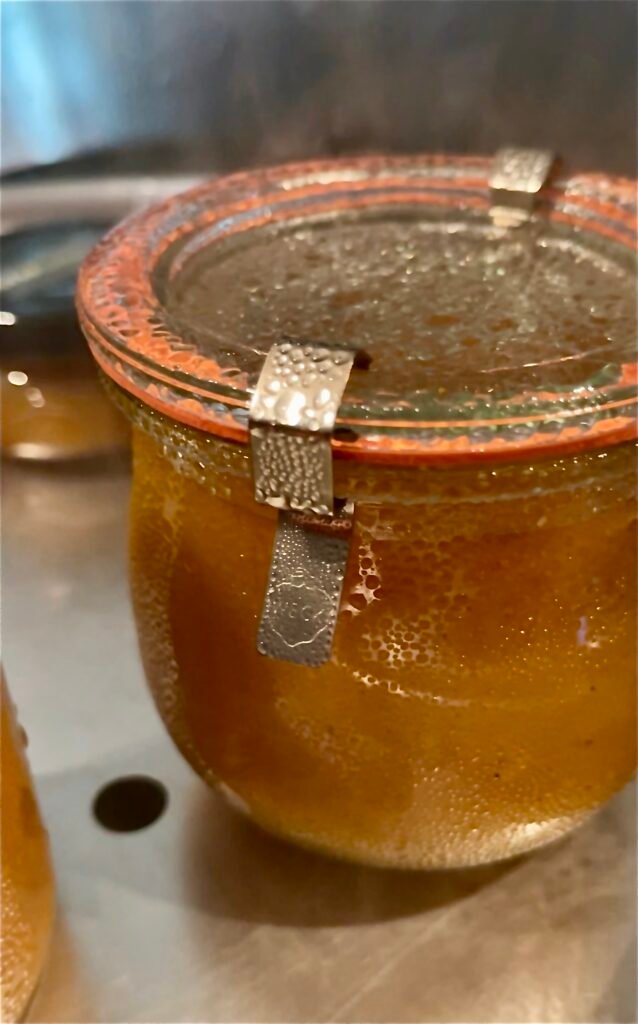
Atmospheric Steam Canning
Atmospheric team canning is newer to the home canning world. Nevertheless, it has been validated for high-acid preserves like this. It uses less water, heats up faster, and doesn’t require jars to be submerged.
- Prepare your atmospheric steam canner according to the manufacturer’s instructions. Typically, fill the base with the recommended amount of water and preheat until steam begins to vent.
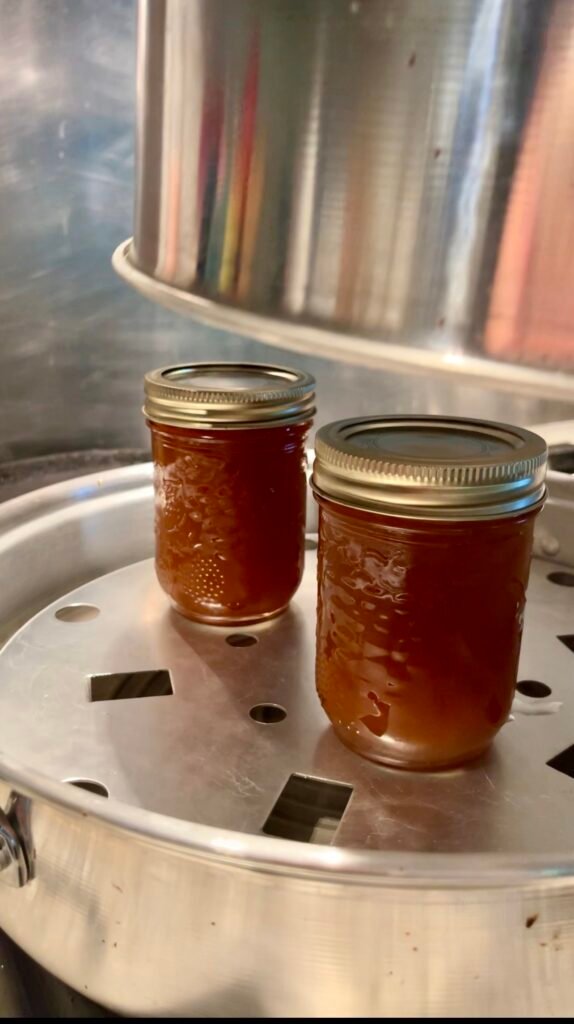
- Place filled jars on the canner rack. Cover with the dome lid.
- Start timing once a steady column of steam has been venting continuously.
- When processing time is complete, turn off heat.
- Remove jars straight up with a jar lifter. Most important, do not tilt. Place on a towel-lined counter or cutting board.
New to steam canning?
Ready to ditch water bath canners?
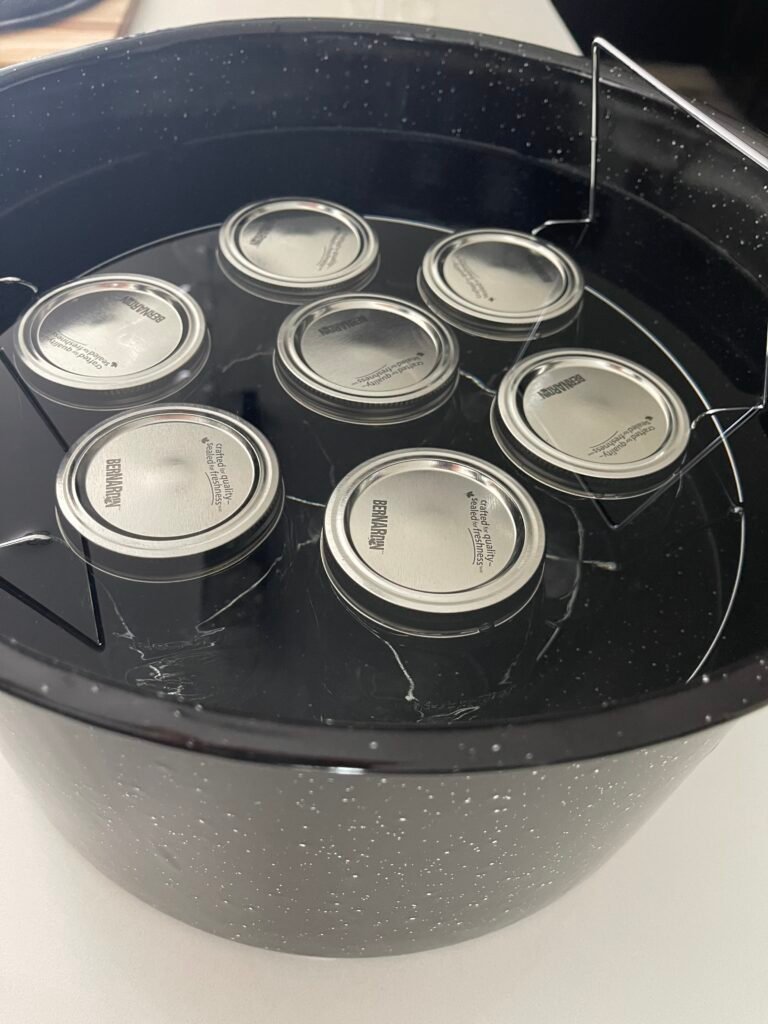
Water Bath Canning
Undeniably, water bath canning is the most widely used method for high-acid preserves and the one most canners learn first. If you already own a water bath canner, this is a perfectly sound way to process this jam.
- Place filled jars on the canner rack and lower it into boiling water. Always remember, water must cover the lids by at least 1 inch.
- Start timing once you reach a full rolling boil. Processing times are identical to the table above.
- When processing is complete, turn off heat and let jars rest in the water for 5 minutes before removing this. This step helps prevent siphoning.
- Lastly, remove jars straight up with a jar lifter.
Looking to understand how the two methods compare?

Prefer Open Kettle?
Open kettle canning is not a USDA-recommended method. For this recipe, we used atmospheric steam canning to get consistent, shelf-stable results. However, open kettle remains a long-established traditional method that some experienced canners still use for high-acid preserves.
We don’t dismiss traditional methods. For those who choose to use open kettle, we’ve put together a guide that explains how it is practiced, along with the key steps aimed at reducing common risks within that traditional approach.
After sealing (all methods)
- Do not touch, adjust bands, or press lids for 12–24 hours.
- After cooling, check seals: press the center of each lid. If it doesn’t flex, the seal is good. Any jar that didn’t seal goes in the fridge → use within 3 weeks.
- Remove bands for storage (they trap moisture and can mask a broken seal over time). Label with contents and date.
- Store in a cool, dark place. Peak quality for 12–18 months.
👩🍳 Pantry Master’s Note for Pineapple Mango Pepper Jam
- Pineapple, vinegar and lime juice provide much of the acidity that makes this pineapple mango pepper jam safe for water bath canning.
- Mangoes and peppers alone are not reliably acidic enough for shelf-stable canning, especially since sweetness and acidity vary significantly by variety and ripeness.
Do not reduce the vinegar, lime juice, or sugar in this recipe.
- These ingredients are not included only for flavor or texture.
- They are part of the preservation balance that allows this hot pepper jam to be safely processed in a water bath or atmospheric steam canner.
- The sugar also helps the jam reach a proper natural set without commercial pectin.
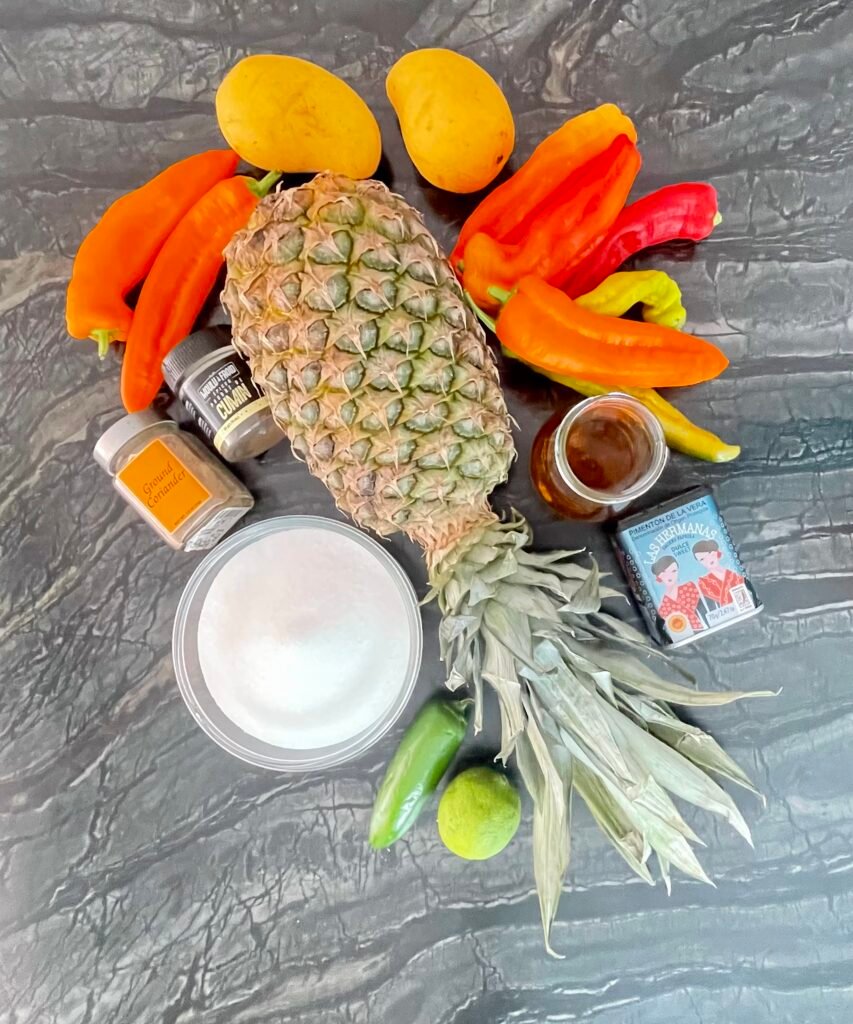
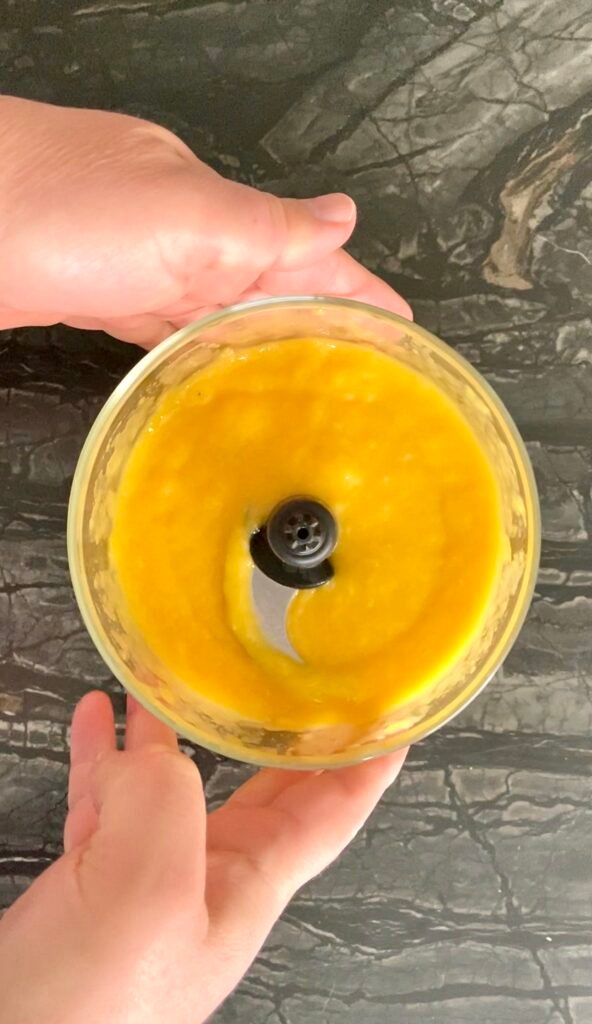
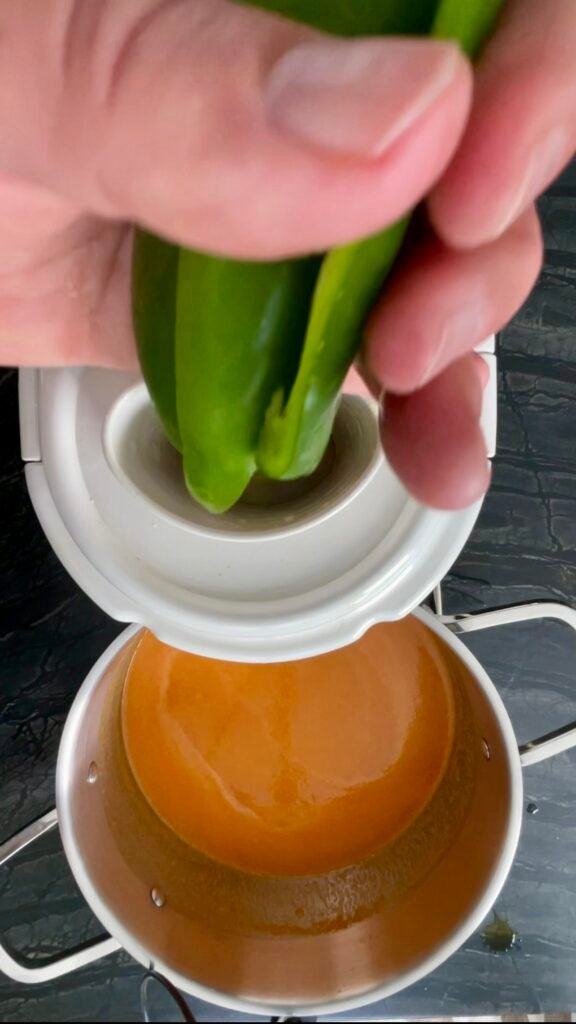
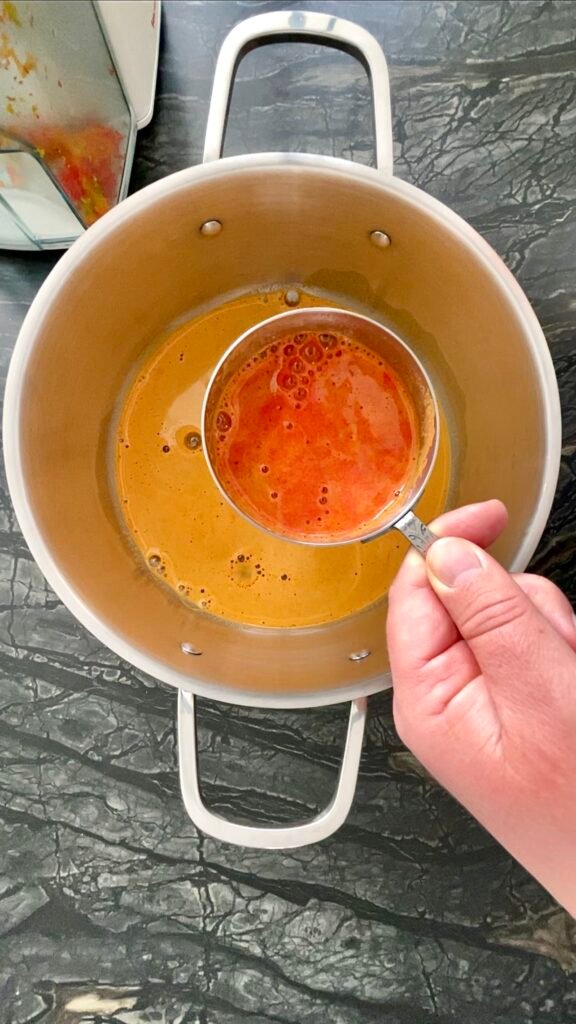
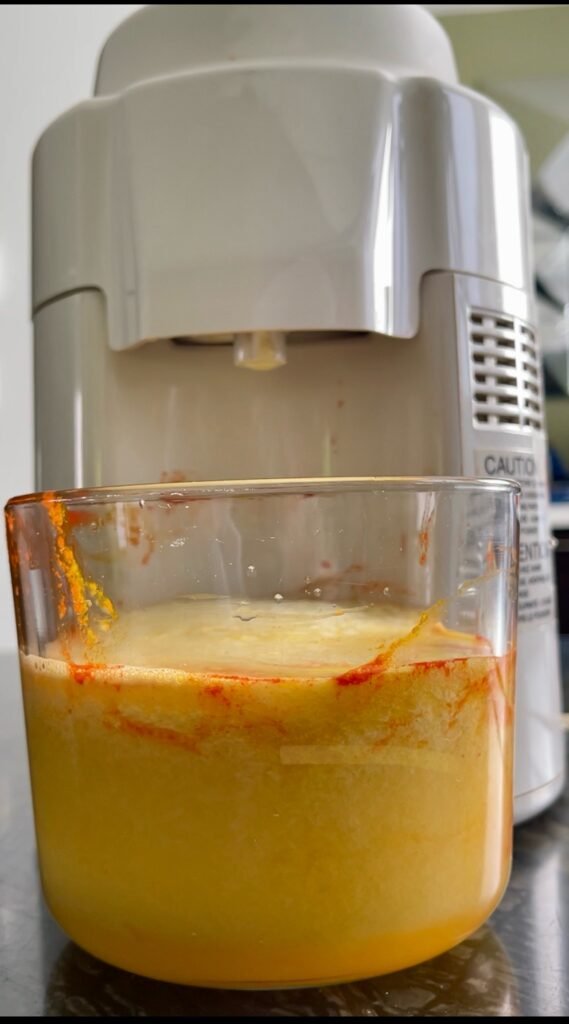
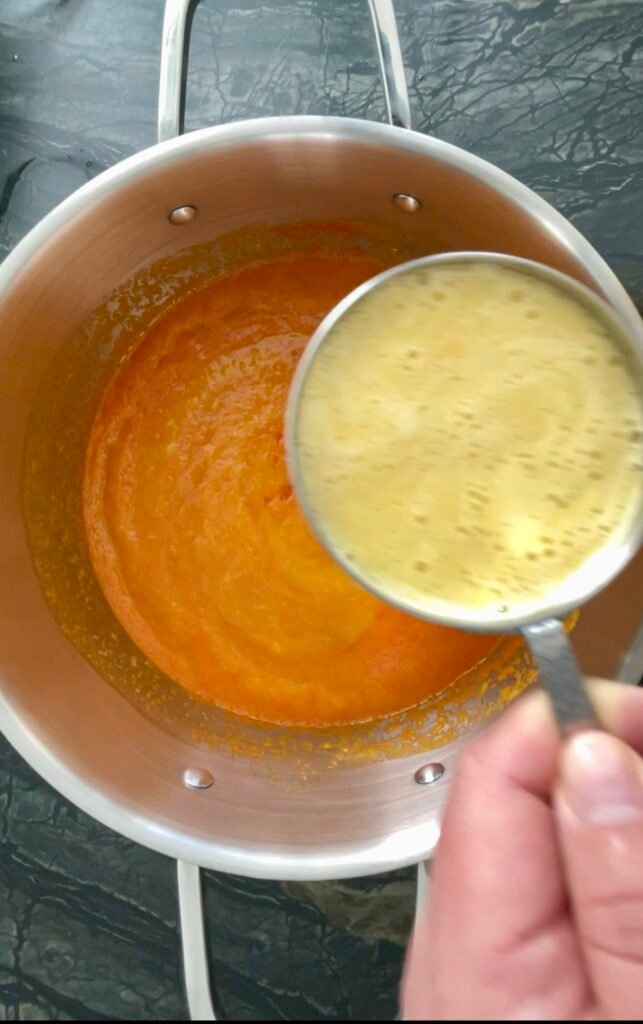
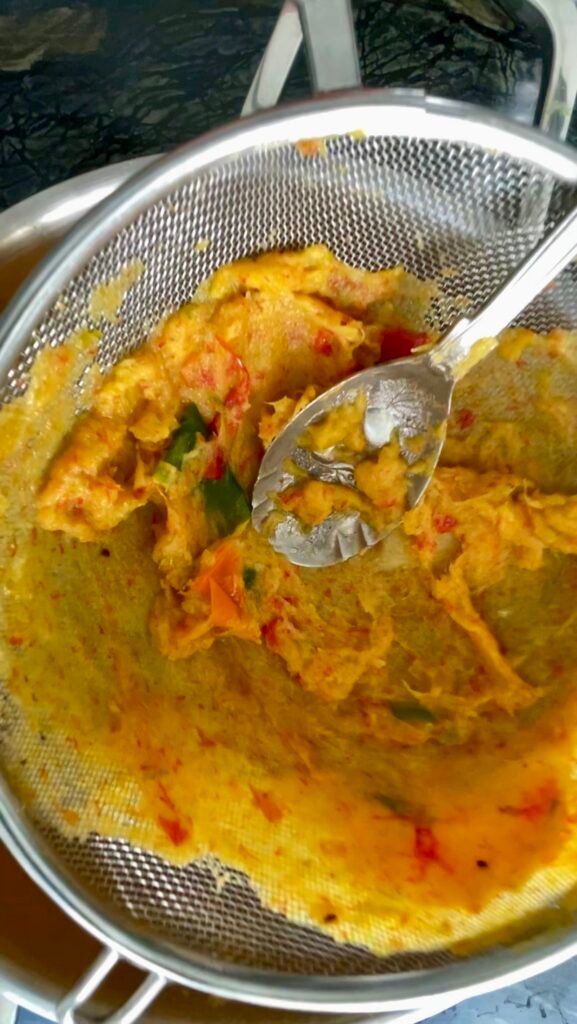
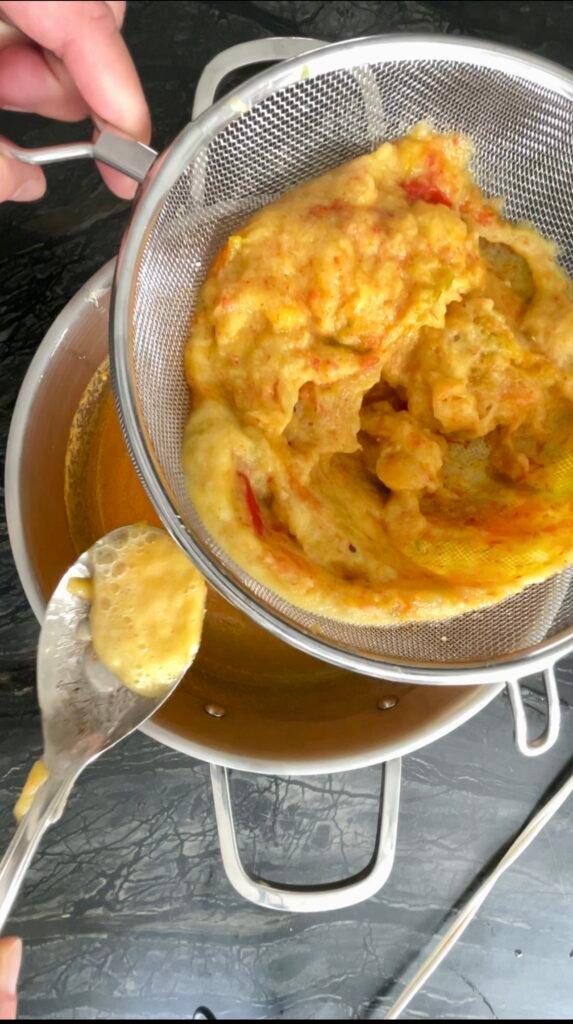
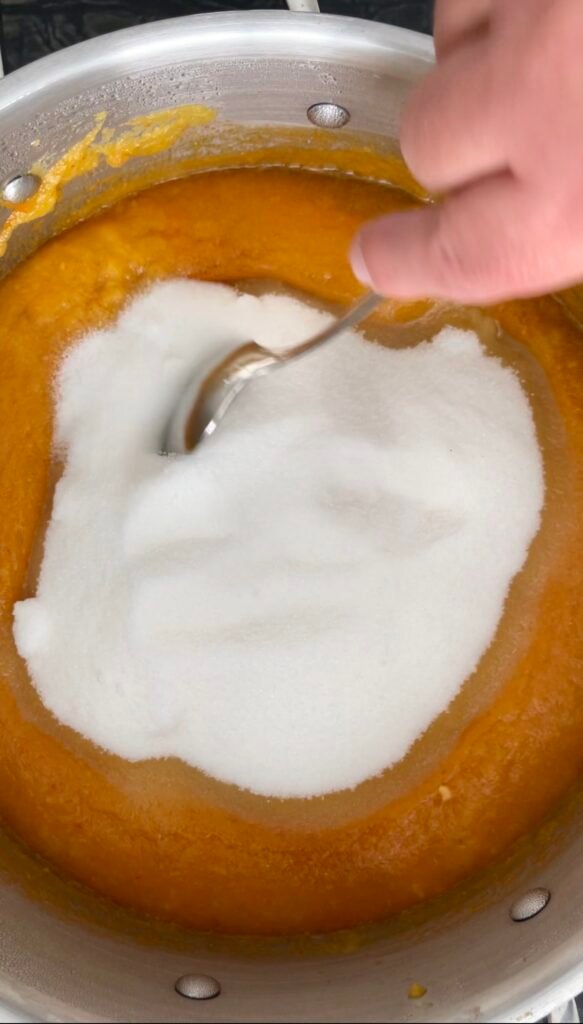
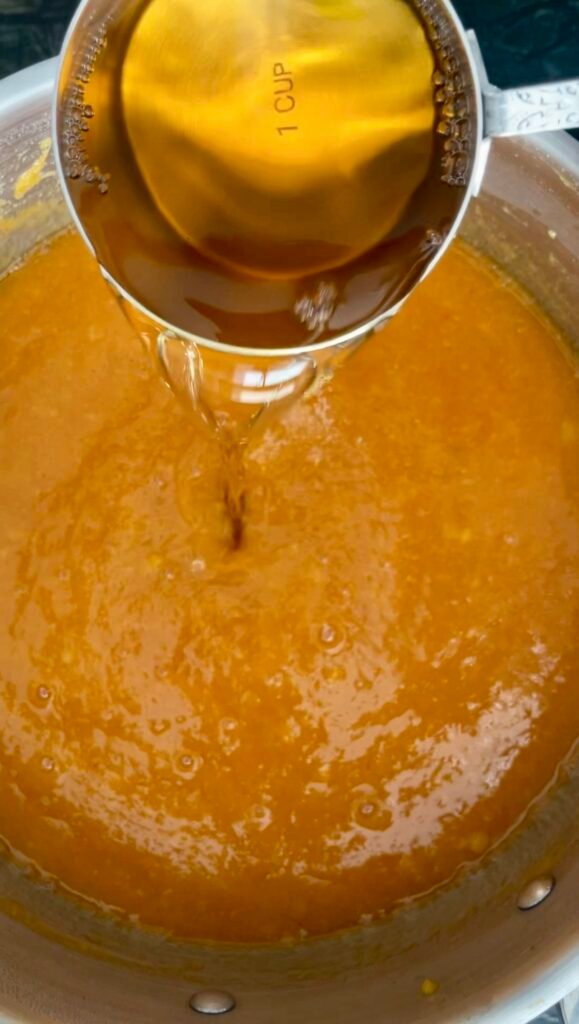
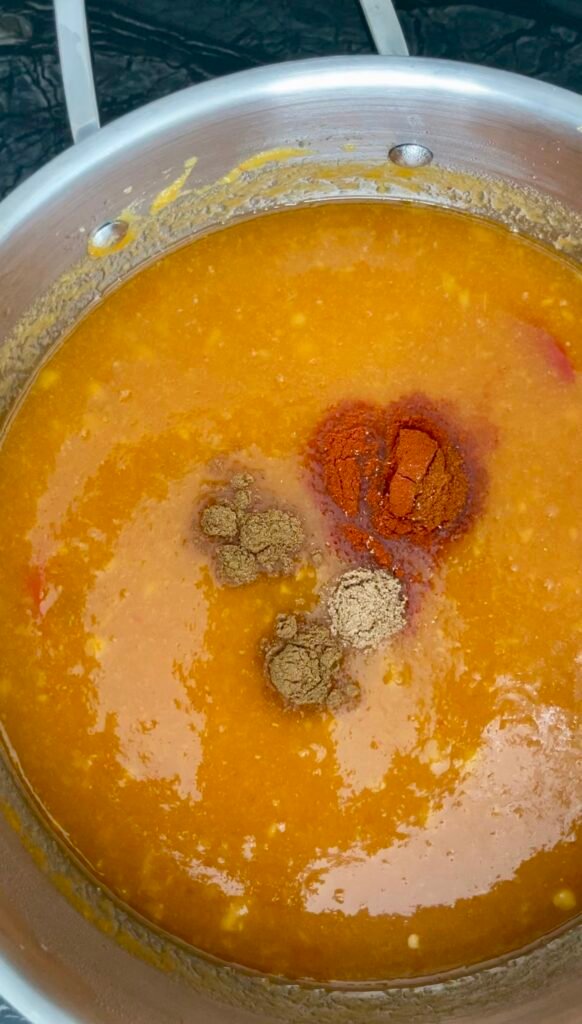
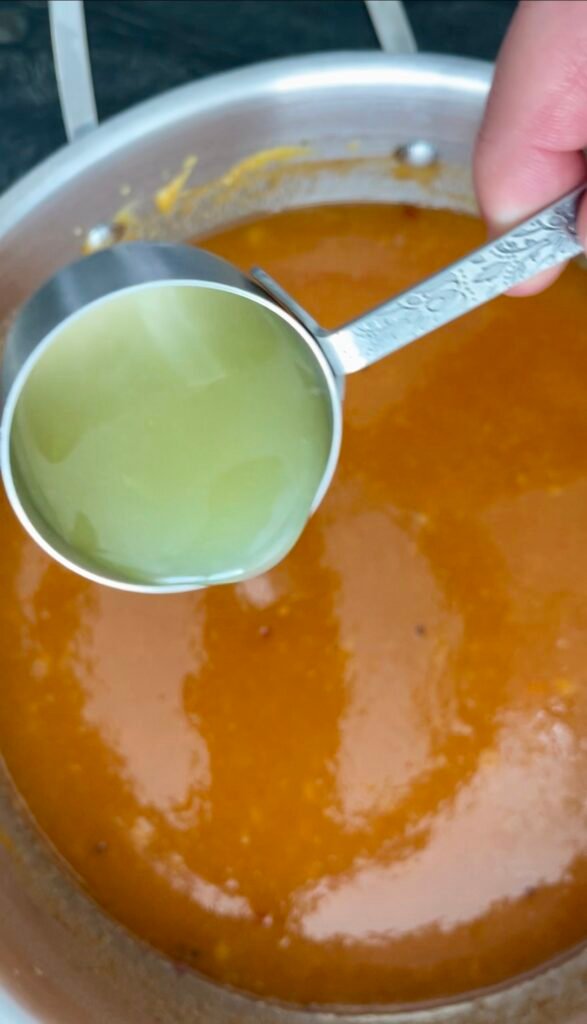
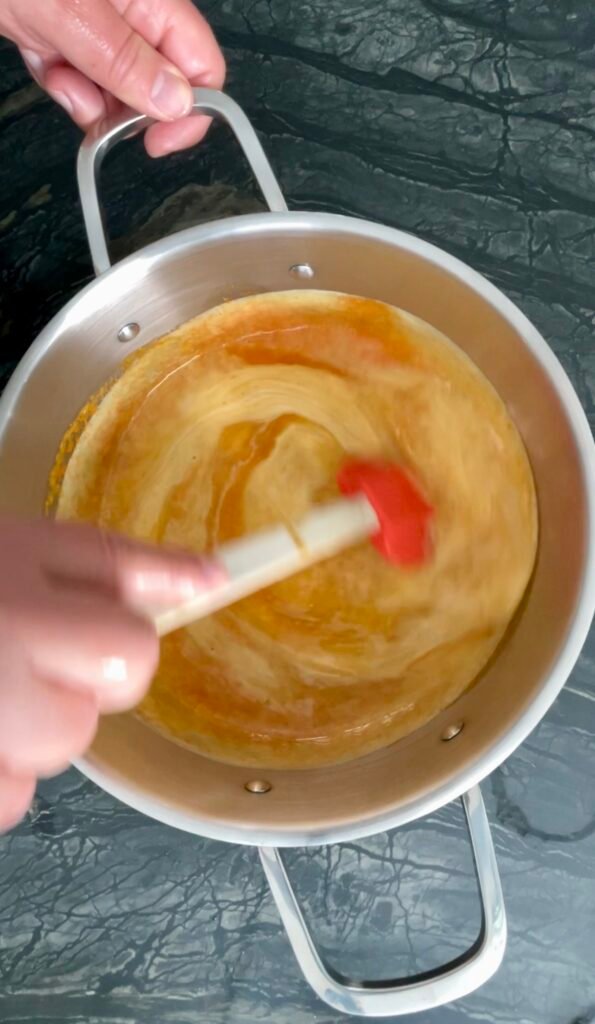
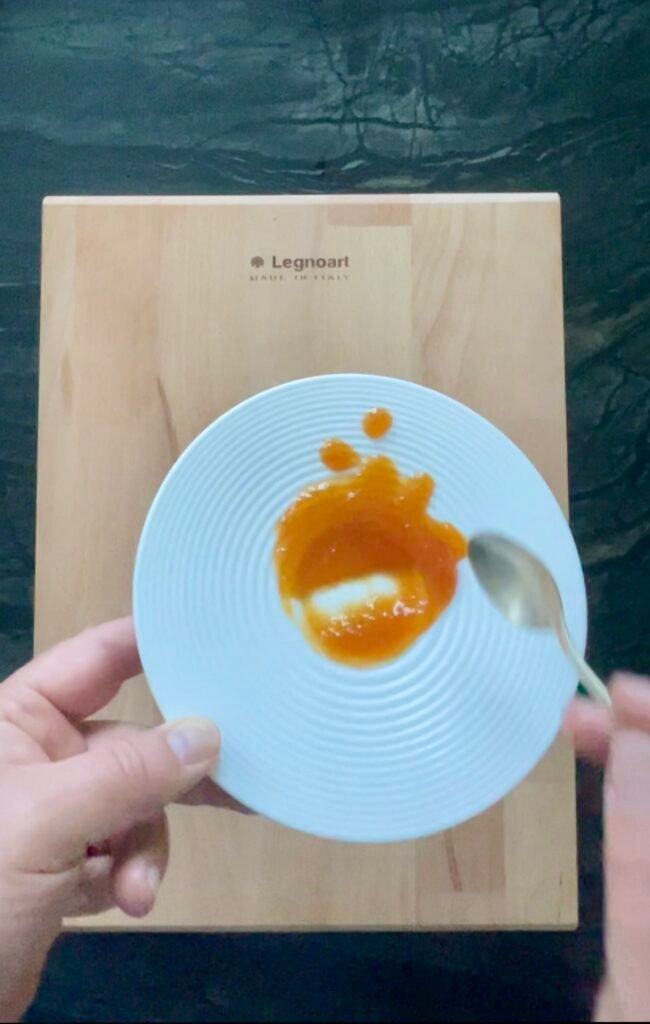
How to Make Pineapple Mango Pepper Jam – Step-by-Step Photo Gallery
Pineapple Mango Pepper Jam Serving Suggestions
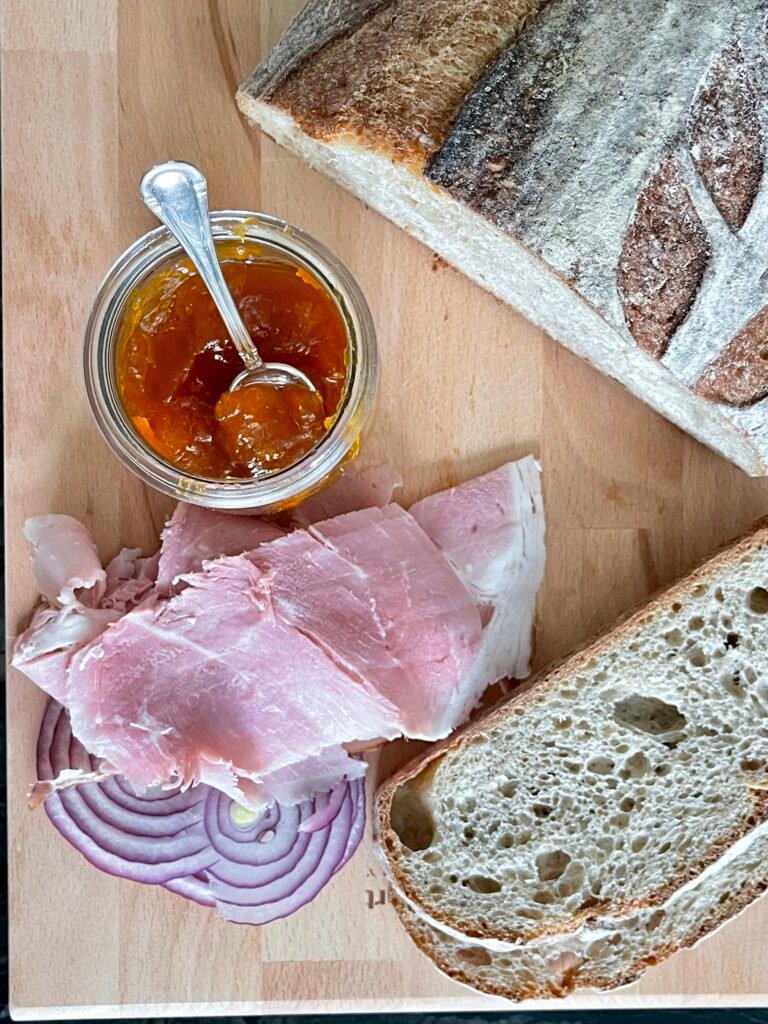
We keep a jar of this jam in the fridge once we finish the batch. We are always amazed at all the various uses we find for it. The smoked paprika and cumin take it past sweet, which means it works well on a cheese board. But it also works great on grilled meat, stirred into a pan sauce, or mixed into a salad dressing when you want something with more backbone than your usual honey mustard.
Try it with:
- Spooned over a wedge of aged white cheddar or a round of brie: the heat from the jalapeño and the fruit sweetness do what a chutney does, but you get a far more memorable taste.
- Brushed over salmon or chicken thighs in the last five minutes of grilling : the sugar caramelizes into a lacquered glaze that looks like you spent three times longer on dinner
- Stirred into a pan sauce after searing pork chops: deglaze with a splash of apple cider vinegar, spoon in two tablespoons of jam, reduce for two minutes. Done.
- Mixed into a vinaigrette: one tablespoon of jam, two tablespoons of olive oil, one tablespoon of apple cider vinegar, shake. Pour over arugula or grilled halloumi.
- On a cheese board alongside prosciutto and marcona almonds: this is the jar people ask about first . Then they ask for the recipe
FAQ
It’s sweeter than a straight hot pepper jam and fruitier than most pepper jellies. The cubanelles keep it from tasting like fruit preserves. The smoked paprika and cumin give it a nice warmth. The jalapeño heat is there, especially if you keep the seeds in. But, the fruit and sugar soften it much more than you’d expect during cooking.
The jalapeños are your dial. Remove the seeds, and most people won’t find it spicy at all. Leave the seeds in and you’ll step up the heat. Add a third jalapeño with seeds and you’re in real heat territory. We always make our first batch on the milder side and adjust from there.
We use 250 mL half-pint jars. Right size for gifting, right size for a cheese board, and easy to finish within a couple of months once opened. If you want a larger jar for your own shelf, 500 mL pints work – check your processing time/ canning pressure if you’re above 1,000 feet↗️
First, Wait! Reason being, no-pectin jams keep setting for 24 to 48 hours after they come out of the canner. However, if it’s still loose after two days, you’ll have to open the jars, pour everything back into the pot, bring it back to a steady boil, and cook until it passes the cold plate test. Re-jar with clean lids and process again. If it sealed but stayed thin, call it a glaze and put it on the grill. Nothing goes to waste.
Green bell peppers are the closest swap. You’ll get the same mild flavour, same body, won’t fight the fruit. Very important, don’t substitute them for a hot pepper variety. It changes the heat level and throws off the balance the recipe is built around.
No! And this is the question we get asked the most. Because this recipe has no pectin, the sugar does two jobs at once: it drives the set and it’s part of what makes the jam safe to store on the shelf. So, when you cut it back or swap it out, you end up with a jam that won’t set properly and may not keep. If you want a lower sugar version, you’ll need a different recipe built around low-sugar pectin, not a modification of this one.
No, this is not a USDA-tested recipe. The NCHFP does not test individual recipes of third parties. What the NCHFP provides is a methodology and processing framework for canning categories, along with tested reference recipes for specific preserves. This recipe is built on that framework. Our processing time for this recipe is set at the conservative end of the accepted range for similar pepper jam recipes. If you want a recipe with an approved stamp, the National Center for Home Food Preservation has published tested jam recipes. We use ours because the flavor profile is what we wanted.
The processing times in the table above follow USDA / NCHFP guidance for jams and jellies at the relevant altitude bands. Specifically, we followed the conservative canning table guidance for pepper jelly provided on NCHFP website. Do not reduce the vinegar – doing so does not simply change the flavor. It removes the safety margin for this hot pepper jam.
Related Recipes
Different supporting ingredients, same main ingredient – pepper
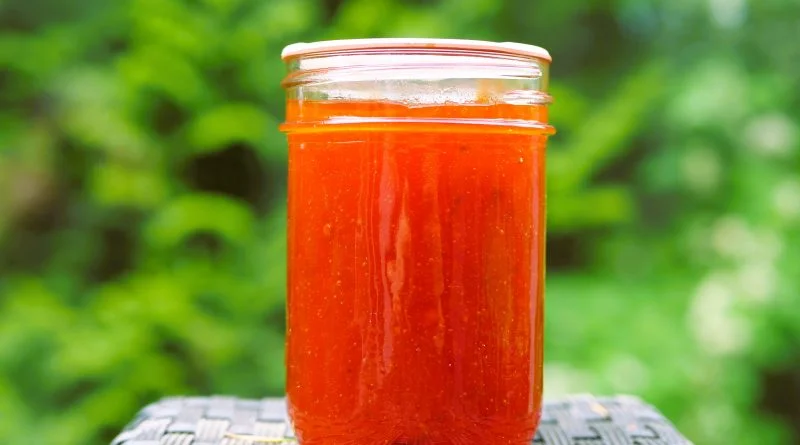
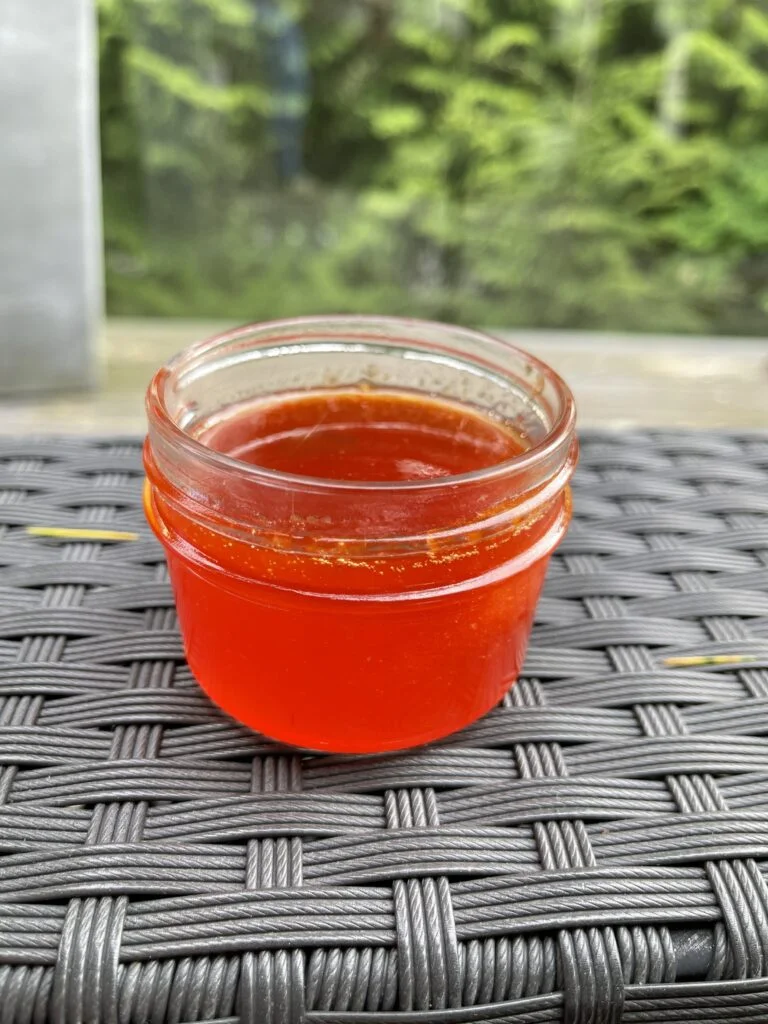
Use as a gourmet meat glaze, a bold sandwich spread, or the ultimate pairing for any cheese board.
Join the pantry
Fresh recipes when the season calls for them. Preservation guides you can trust – every method, traditional to modern. Ideas for turning your pantry into weeknight dinners. Seasonal alerts that help you preserve more for less. Honest reviews of the tools that matter.
Tried this preserve? We’d love to hear how it turned out!