
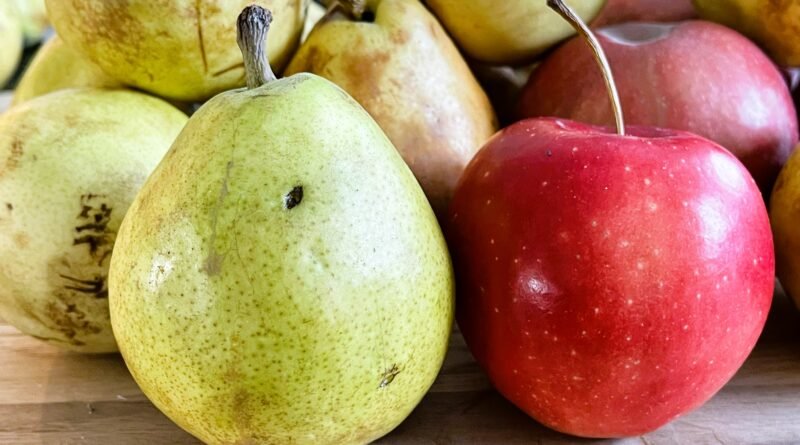
How to Make Classic Belgian Pear Syrup (Siroop de Liège)
Views: 604
Siroop de Liège to Belgium is what apple butter is to North America. Just as many Europeans raise an eyebrow at the words “apple butter,” many North Americans do the same when they hear “pear syrup.” When North America was falling hard for apple butter, Belgium was quietly perfecting pear syrup. And, unlike North American waffle syrup made with shortcuts and chemistry, real Belgian pear syrup allows no extracts, no tricks – just real fruit, slow cooking, and serious patience.
Feel free to jump straight to the recipe, or stick around for a few quick tips and flavor ideas that will make this preserve truly shine. No long stories – just practical tricks to help you get the best results.
This recipe is based on the classic Siroop de Liège recipe by À la Mère de Famille. Before our pear syrup ever turned out right, it failed more than once. We tried recipes that reduced the whole fruit into oblivion. We tried sugar-free versions that promised magic. Each time, we ended up with something burnt, bitter, or just plain wrong. It was frustrating enough to almost quit. Then we found the book from À la Mère de Famille, one of the oldest confectioneries in Paris, and everything changed. Their method was clear, traditional, and refreshingly no-nonsense. We followed their technique, adjusted the proportions slightly to suit our kitchen and North American produce, and finally, success! If you want a no-nonsense, practical book of European sweets and preserves, we truly recommend it .
.
What is Siroop de Liège?
The first time most North Americans hear the words Belgian pear syrup, there’s confusion. Syrup? Made from pears? Isn’t syrup supposed to come from trees?
And yet, across Belgium, Siroop de Liège is as common as jam, honey, or butter. It’s spooned onto bread, paired with sharp cheese, brushed onto roasted meats, and yes, drizzled over waffles and pancakes. But make no mistake: this isn’t breakfast syrup. This is a true fruit reduction, built from pears, apples, sugar, and patience.
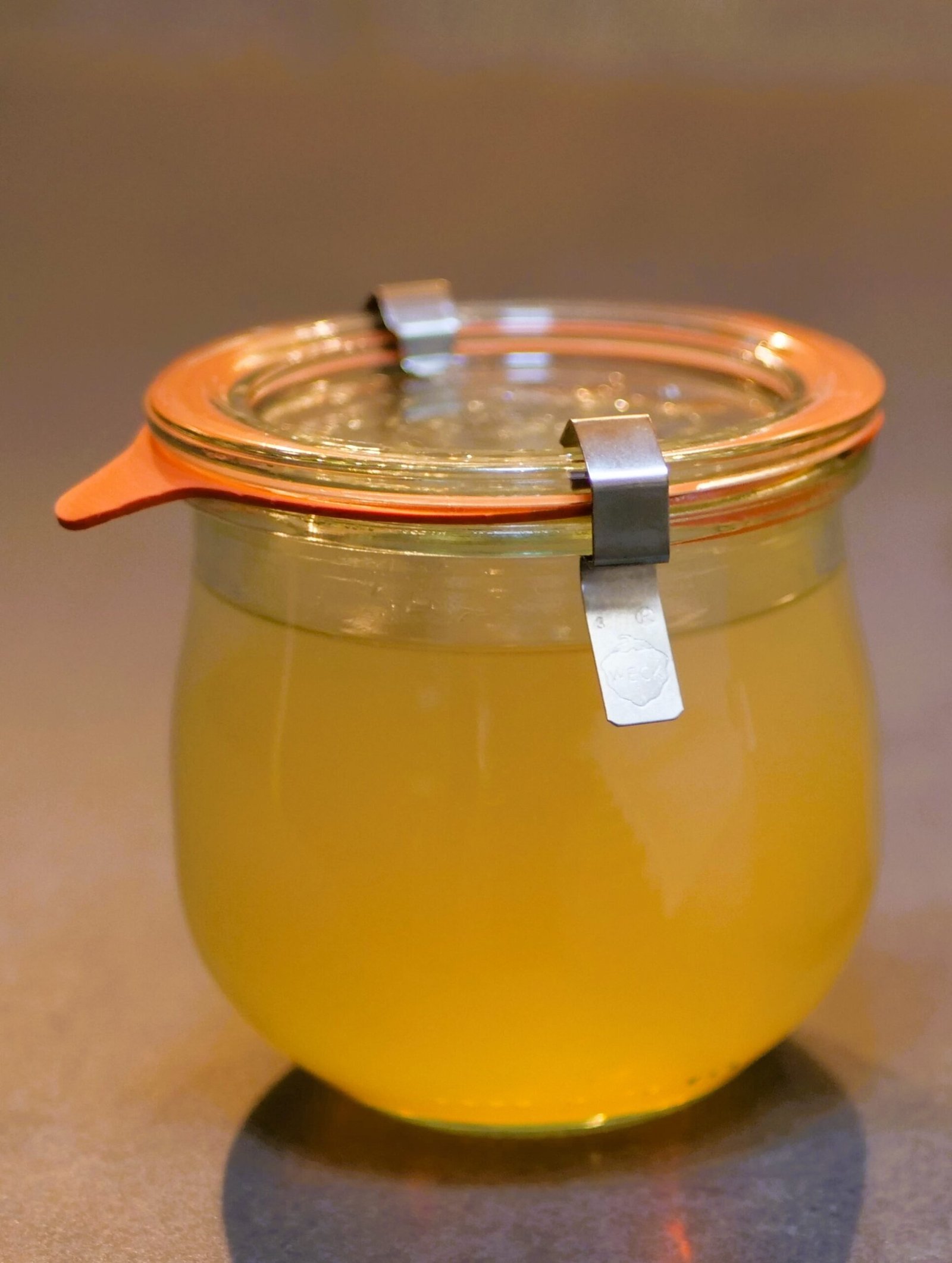
Siroop de Liège (Belgian pear syrup) is a thick, dark syrup made by slowly cooking down pears and apples until they are soft. The fruit is strained, the juice is reduced for hours, and what remains is something between syrup, molasses, and fruit spread.
Unlike jam:
- There is no gel structure
- No pectin of any kind
- No sugar – to very little sugar
Trying to describe Belgian pear syrup with one word is impossible. It’s:
- Sweet, but not candy-sweet
- Fruity, but not fresh-fruity
- Deep, dark, and slightly bittersweet
- Mildly tangy from the apples
- Almost molasses-like, without the bitterness
Think:
- Burnt caramel
- Christmas fruitcake
- Slow-roasted pears
- Dark honey
- Baked apples at the edge of caramelization
Tips & Tricks to Make Your Belgian Pear Syrup a Success
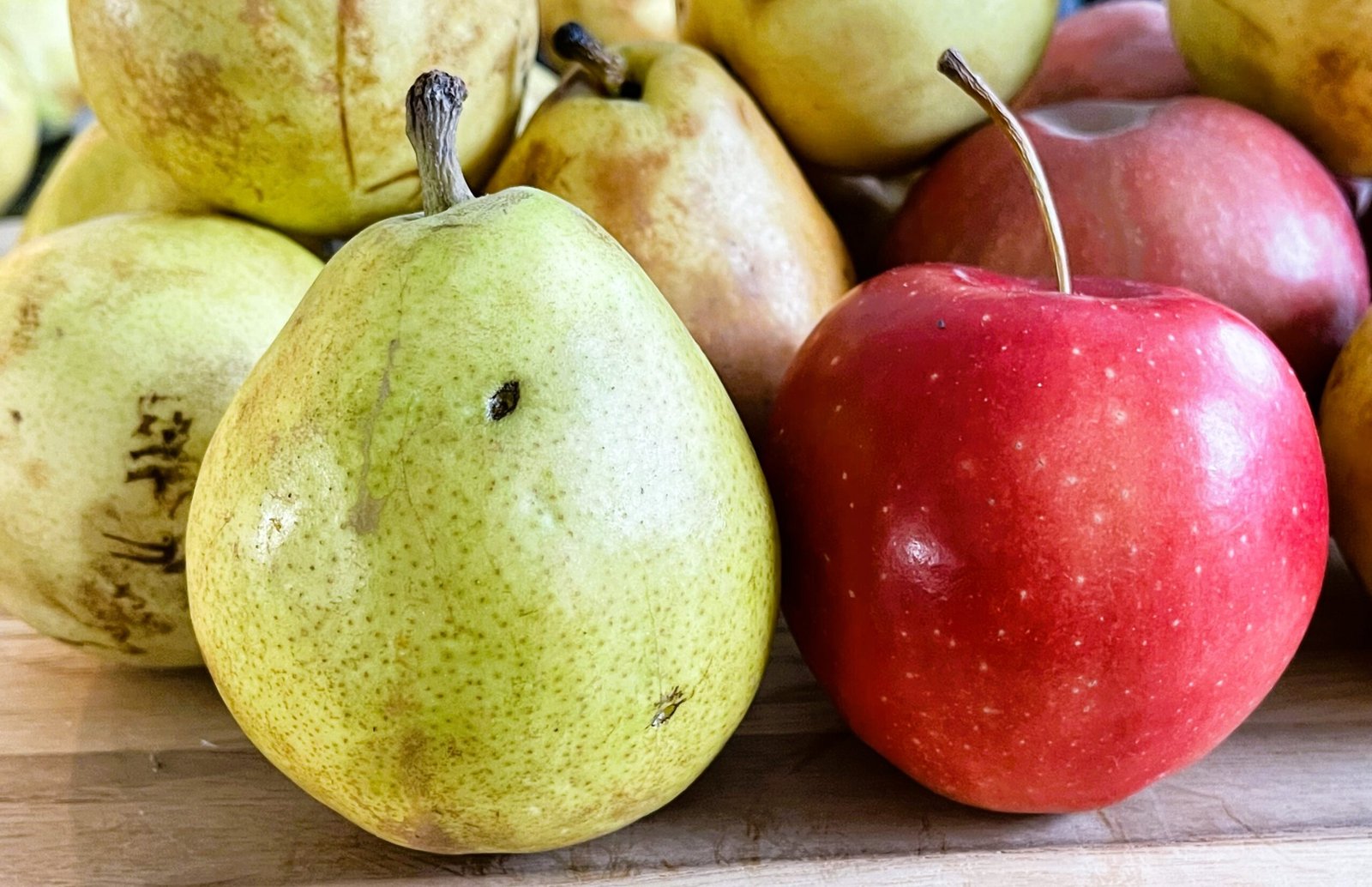
 Use very ripe fruit. The riper your pears and apples, the deeper and sweeter your final Belgian pear syrup will taste.
Don’t rush the cooking. Slow simmering is where the magic happens. High heat will scorch the fruit instead of building flavor.
Use a heavy-bottomed pot. This helps prevent burning during the long reduction stage.
Strain without squeezing. Let gravity do the work. Pressing the pulp can make the syrup cloudy.
Be patient with thickness. The syrup thickens more as it cools. Stop cooking when it looks slightly thinner than your final goal.
Texture: When Is Siroop de Liège Done?
Important to note, Liege syrup is not a pourable syrup.
Finished Belgian pear syrup should:
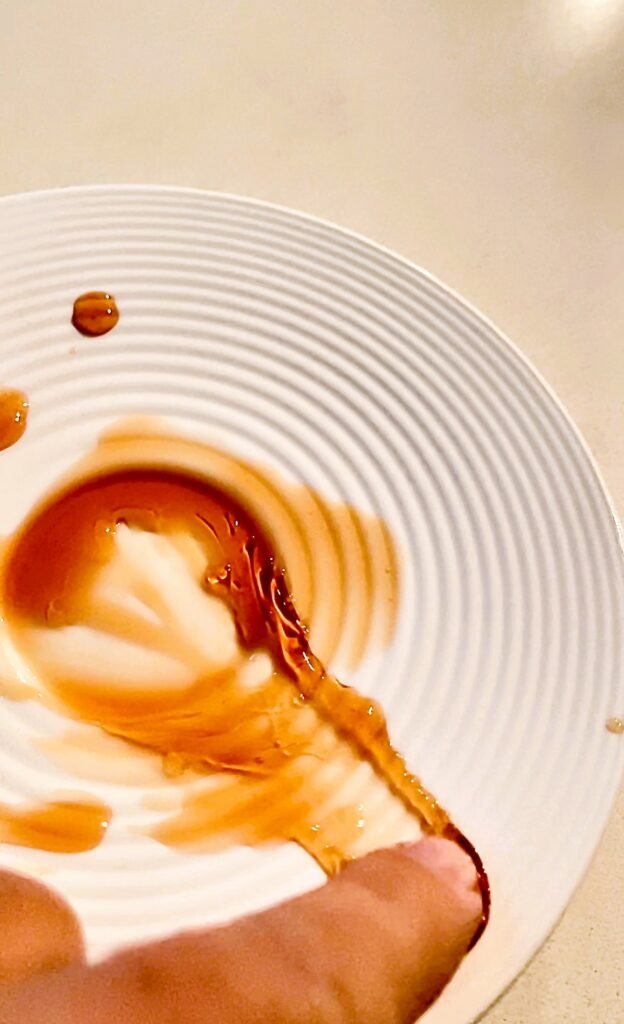
- Slowly ribbon off a spoon
- Pool thickly
- Hold shape when spread
- Look glossy and dark
Troubleshooting Belgian Pear Syrup: Common Problems
- My syrup is too thin: This simply means it needs more time. Keep simmering it uncovered over low heat and check again every 10–15 minutes. Remember, it will also thicken more as it cools.
- It tastes too sweet: Because this is a fruit reduction, sweetness can vary by fruit. To rebalance, add a small splash of lemon juice and stir well.
- My syrup tastes bitter: This usually means it cooked too fast or scorched. Keep heat low and stir more near the end to prevent burning.
- My syrup is cloudy: This often happens if you press the pulp while straining. Next time, let gravity do the work for a clearer, glossier syrup.
How to Use This Pear Syrup?
In Belgium, Siroop de Liège is not locked into the “sweet-only” category. It is used in:
- Cheese boards, especially with maturity and hard cheeses.
- Charcuterie boards
- Glazes for duck, ham and rabbit
- Vinaigrettes
- Sauces, such as sauces for meatballs
- Dark bread spreads
- And yes, waffles
This wide flexibility is what makes Belgian pear syrup feel so modern, even though it’s centuries old.
Step by Step Instructions

Recipe Card: Print, Save, Share
Pear-Apple Syrup – Homemade Siroop de Liège Recipe
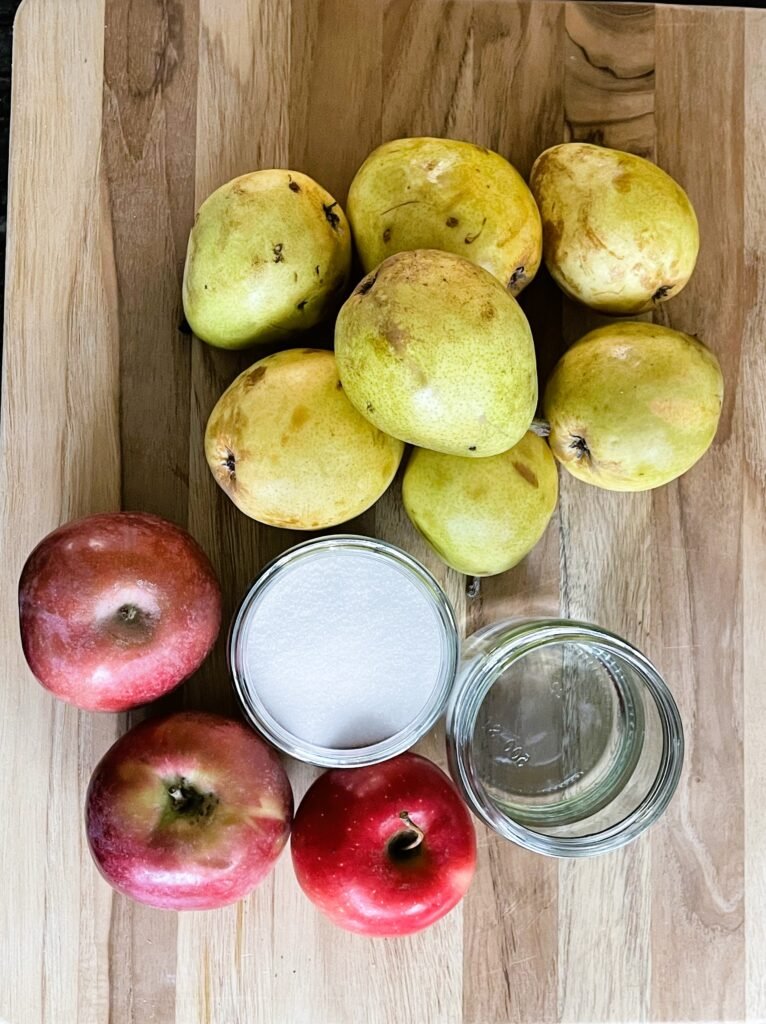
Ingredients
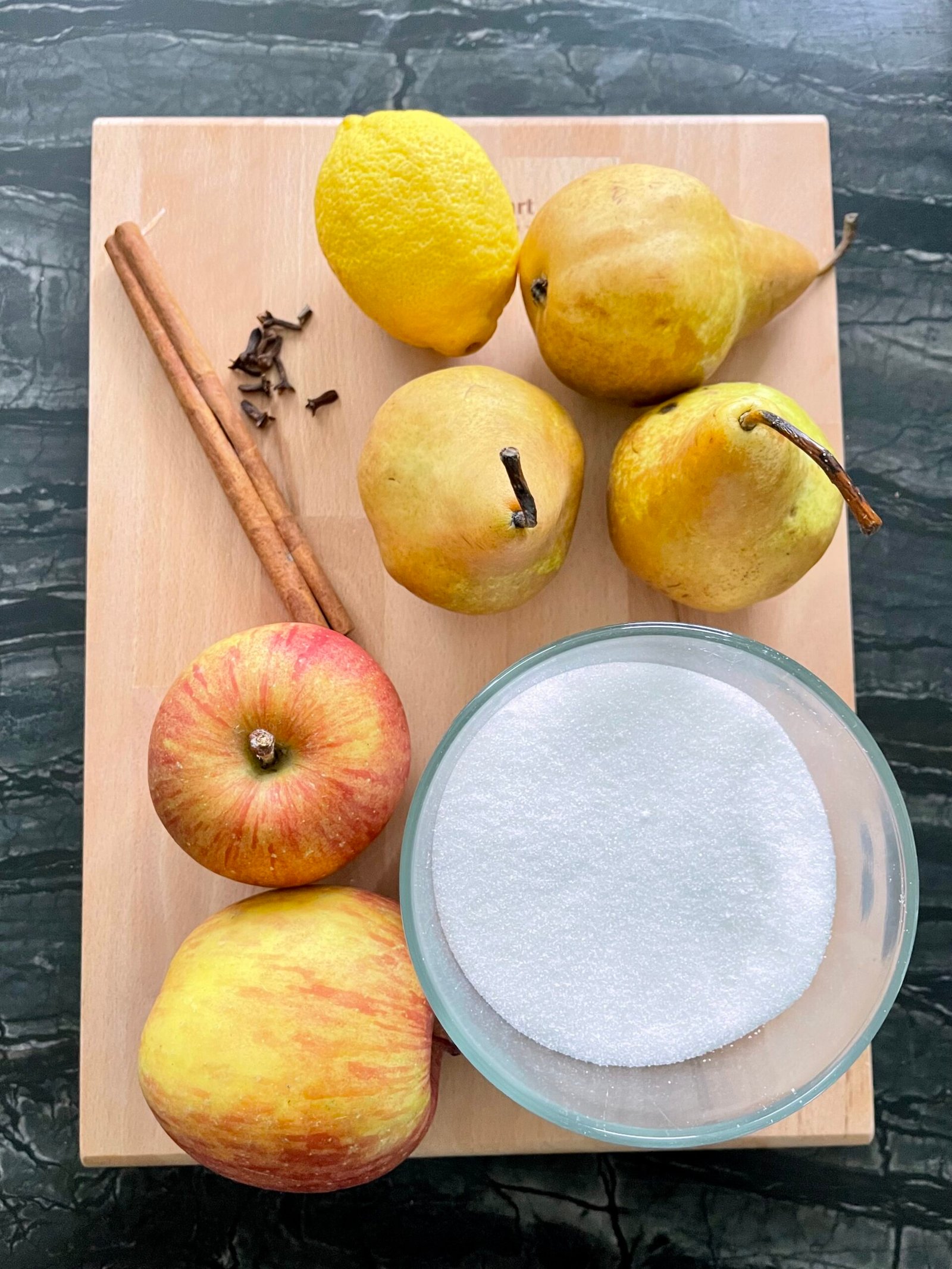
- 13 extra-large pears about 5 pounds or 2.3 kg
- 6 medium-to-large apples about 2.5 pounds or 1.1 kg
- 2 cups granulated sugar about 400 grams or 0.88 lbs
- 1 liter water about 4.2 cups or 1.1 quarts
Instructions
Prepare the Fruit:
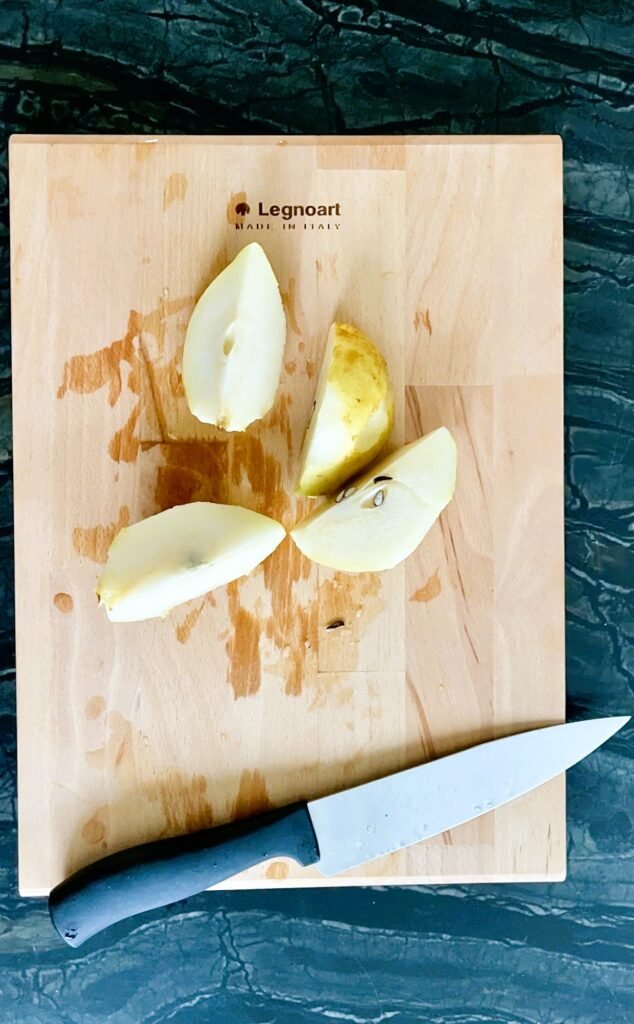
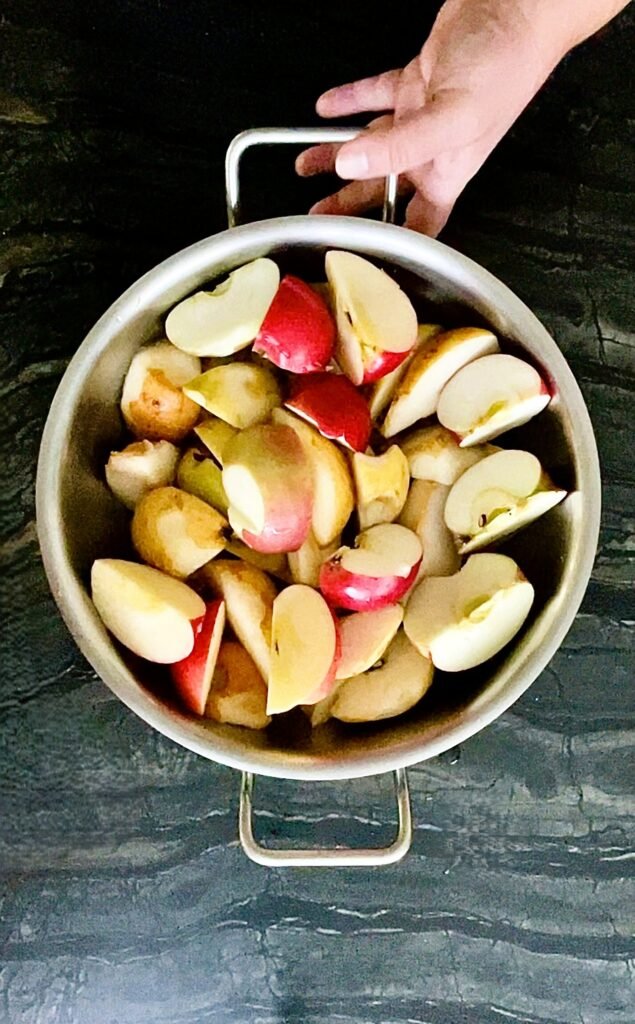
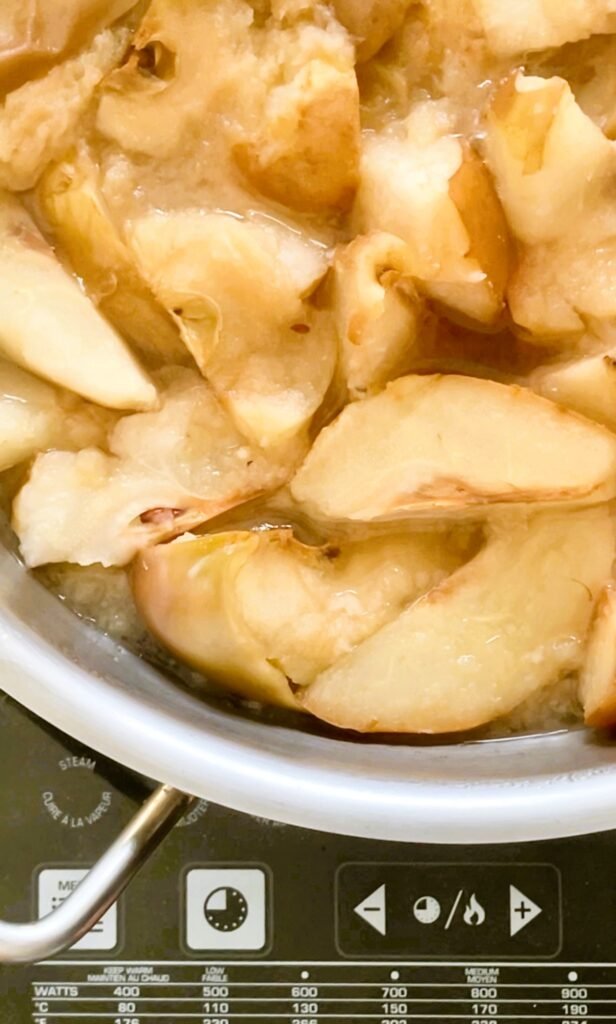
- Wash and quarter pears and apples. No need to peel or core them! Place the chopped pears and apples into a large pot.
Cook the Fruit:
- Use a pot with a lid for this recipe. Add the water to the pot with the pears and apples.
- Bring the mixture to a boil over medium-high heat, then lower the heat to low. Cover with the lid and let it simmer for about 1 hour, or until the fruit is soft and starting to break down.
Strain:
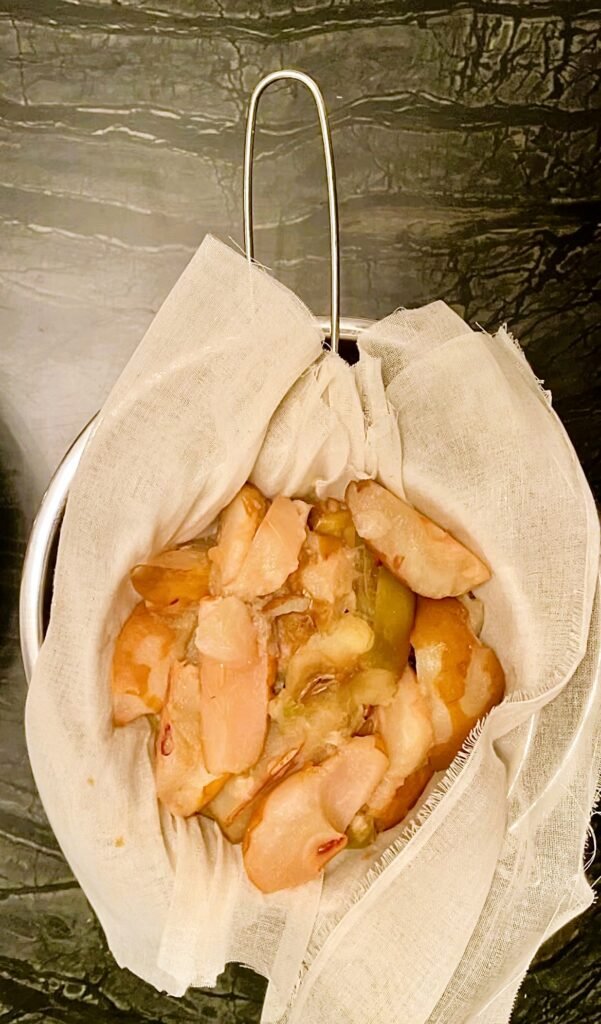
- Once the fruit is soft, place a fine-mesh strainer lined with two layers of cheesecloth over a bowl or pot. Pour the fruit mixture into the strainer and let it sit. The liquid will slowly drip through. This may take up to 2.5 hours, and you might need to do it in batches.
- When done, the liquid should be smooth and ready for syrup-making. Discard the pulp.
Sweeten and Simmer:
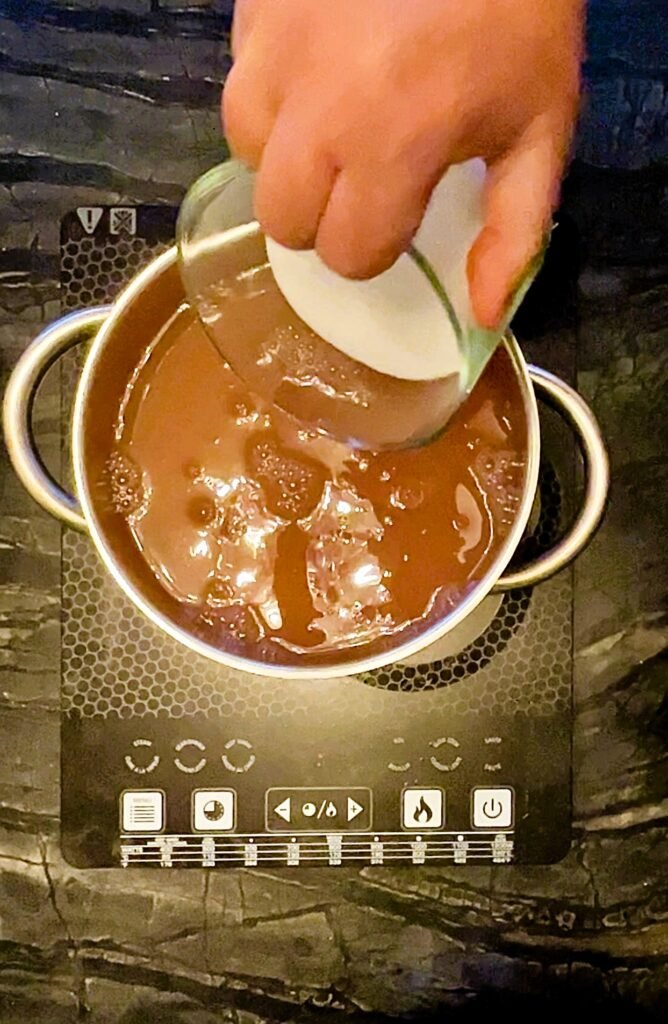
- Pour the strained fruit liquid back into the pot and add the sugar. Stir until the sugar dissolves.
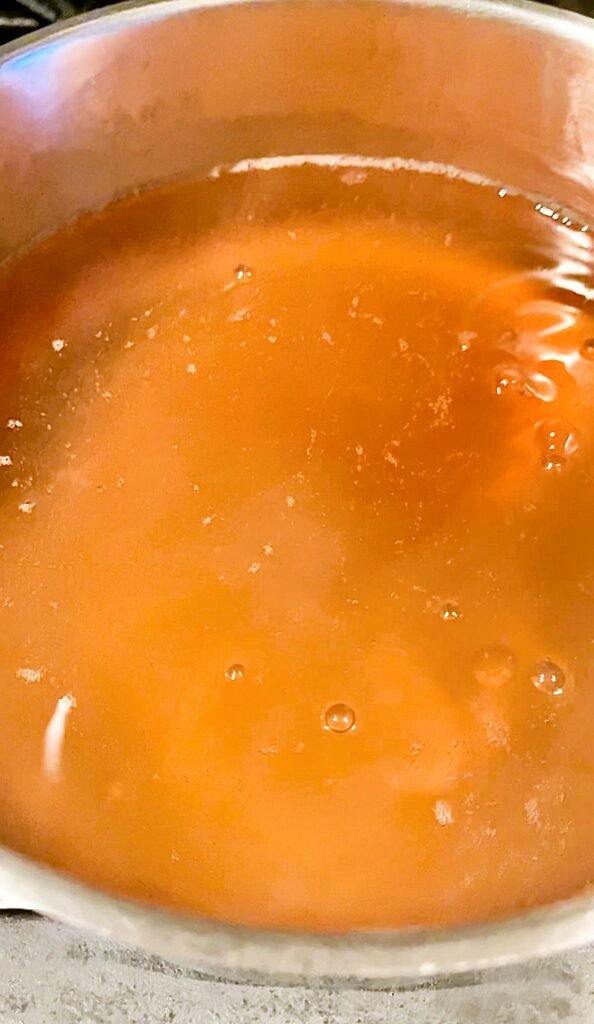
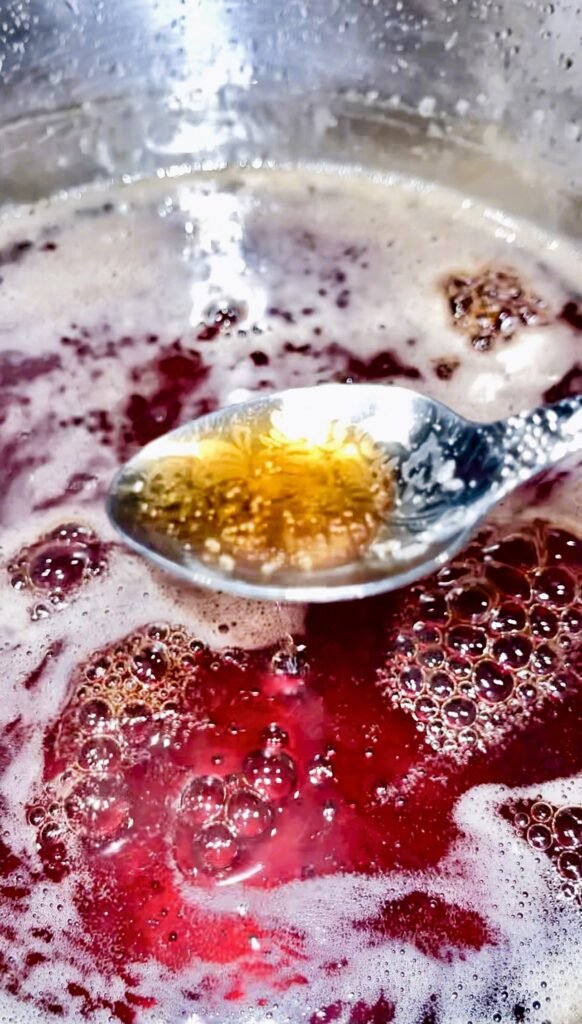
- Bring the mixture to a simmer over low heat, uncovered. Let it simmer for 2 to 3 hours, stirring occasionally, until the liquid thickens into a syrup.
Test the Consistency:
- To test the syrup, spoon a little onto a cold plate. Let it sit for a moment, and if it forms a thick, syrupy layer, it’s done. If it’s still too thin, continue simmering for an additional 20-30 minutes.
Cool and Store:
- Make sure you have hot sterilized jars before this step.
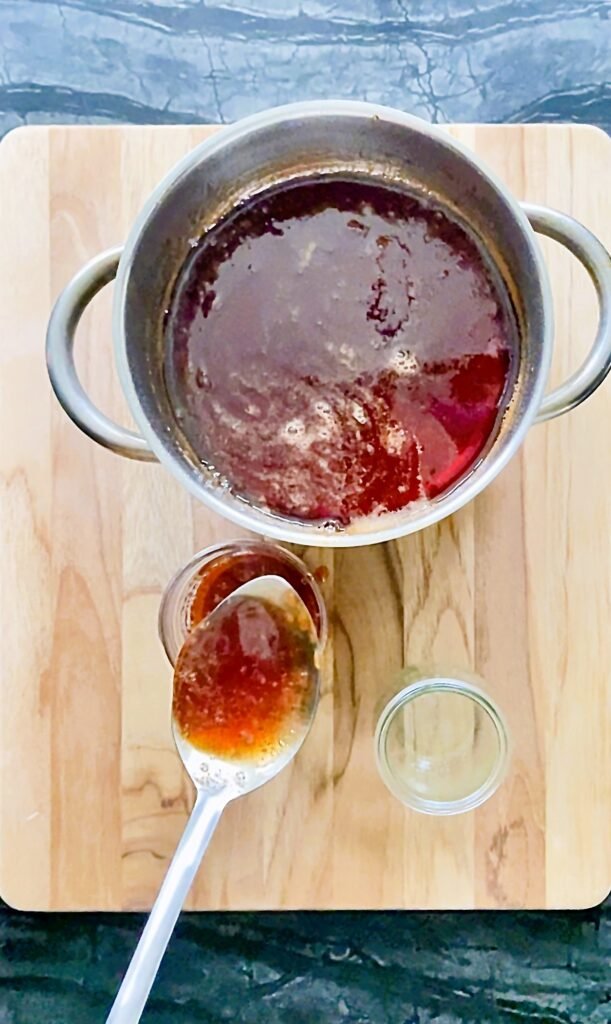
- Once thickened to your liking, remove the syrup from heat. Pour the syrup into sterilized bottles or jars. This syrup can be stored in the fridge for up to 2 month or can it for long term storage – refer to the canning table below for the processing times in your favorite atmospheric steam canner or water bath canner.
Make a batch! Then come back and tell us how this recipe worked out for you. Leave us a comment below, write us, like us on X, Facebook, Pinterest, Instagram and Blue Sky. And remember, sharing is caring!
FAQ
Got more questions? Don’t be shy. Leave us a comment!
I’ve heard you don’t have to can Belgian Pear Syrup. Is It True?
Yes, and this surprises a lot of people. Because Belgian pear syrup is a fruit reduction, it has a high sugar and high acidity content and it keeps exceptionally well on its own. In other words, the very things that make it rich and concentrated also help preserve it naturally.
So, if you are making a small batch and plan to use it within 1 to 4 months, you do not need to can it. Instead, you can simply store it in a clean, airtight jar in the refrigerator.
However, if you want to store it long-term at room temperature, then proper canning is still the safest option.
Do I have to peel the pears?
Traditionally, no. The skins contribute to the deep color and flavor. If you prefer a lighter syrup, you may peel them, but you will lose some intensity.
Why are there apples in Belgian pear syrup? It says pear syrup after all.
The short answer, for structure, not flavor. Apples are added because they are naturally high in pectin and acid, which help the syrup thicken properly and give it that spoon-coating texture. Historically, this was a practical, traditional trick to ensure a stable, well-set syrup without relying on added thickeners and added pectin.
 Got questions? Don’t be shy – leave us a comment or send us a message without ever leaving the blog! [Contact us here.]
 Curious about reusable jars? Want to save money and be eco-smart? We’ve got just the article for you!
 Not sure how to sterilize canning jars? Find the answer about “dos and don’ts” of canning jars sterilization.
You May also like:
-
Apple Pear Cider: Enjoy Now, Can for Later (Juicer Required)
This apple pear cider came from necessity: a box of soft pears too cheap to ignore and McIntosh apples begging to be used. Juiced, spiced, and left to mellow, it… read more
-
How to Make Classic Belgian Pear Syrup (Siroop de Liège)
Why make Belgian pear syrup when waffle syrup is a dollar a bottle? Maybe because you don’t want your breakfast to sound like a page from a high school science… read more
-
Homemade Spiced Raspberry Syrup: Natural Ingredients, Better Than Smucker’s and Starbucks
Miss those sweet, store-bought berry syrups? So did we, until we read the labels. Our raspberry syrup flips the script: real raspberries, vanilla, sugar and cinnamon. No corn syrup, no… read more
-
Why And How To Make Pear Juice At Home
If you have ever stared at a pile of ripe pears and thought, “What am I going to do with all these?” We have a suggestion for you. Why not… read more
-
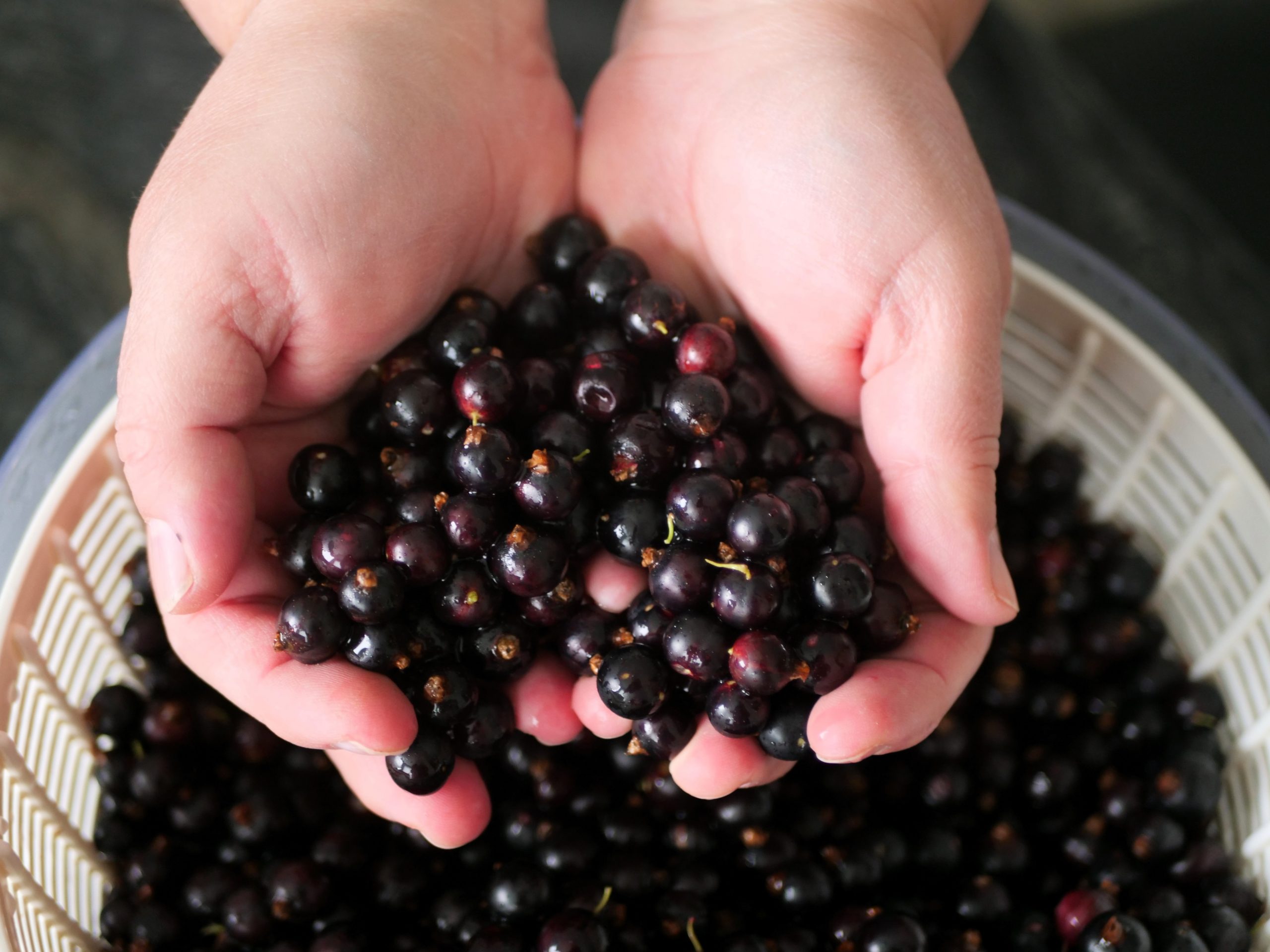
How To Make And Preserve Blackcurrant Syrup At Home
Forget Ribena’s branded blackcurrant syrup. With just blackcurrants and sugar, you can easily make the best blackcurrant syrup right in your kitchen. Our simple, homemade recipe will give you a… read more
-
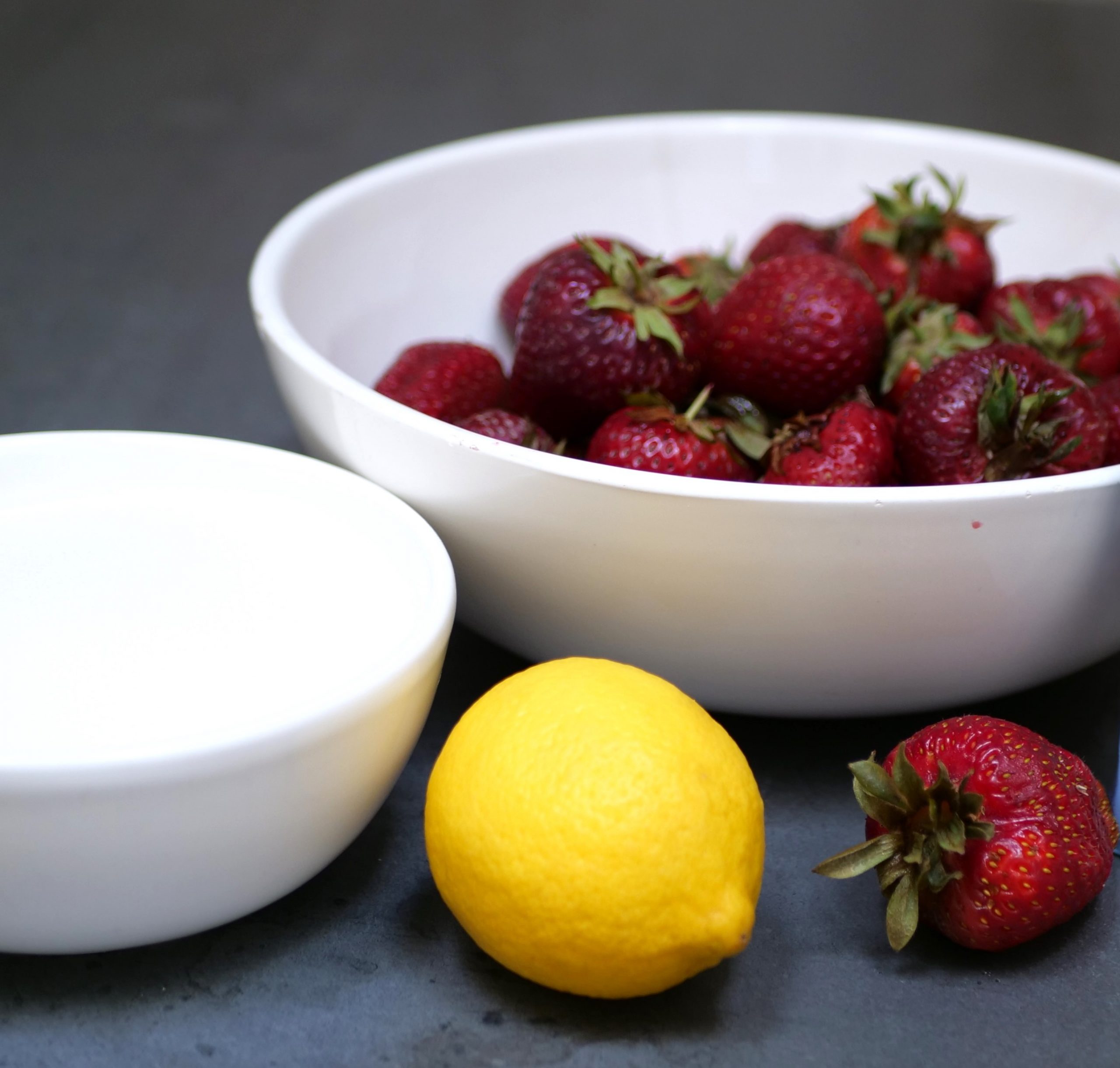
Simple Strawberry Syrup Recipe For Drinks, Pancakes And More
Love the sweet taste of strawberry syrup? How about skipping the store-bought varieties and making your own! Our simple strawberry syrup recipe guarantees you’ll be muttering, “Heh, that was easy!”… read more
-
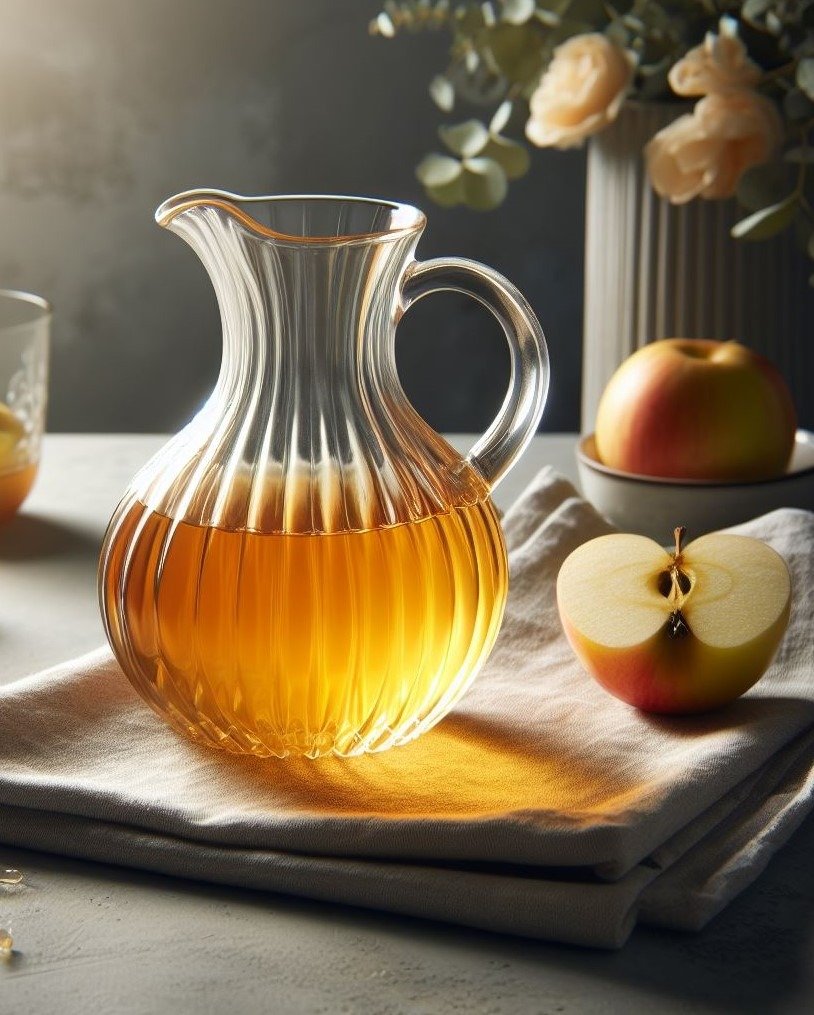
How To Make The Best Apple Juice At Home
Do you like apple juice? If you’re uncertain about the answer because the ones you’ve tried always taste different, we worked hard to figure out what makes the best one.… read more
-
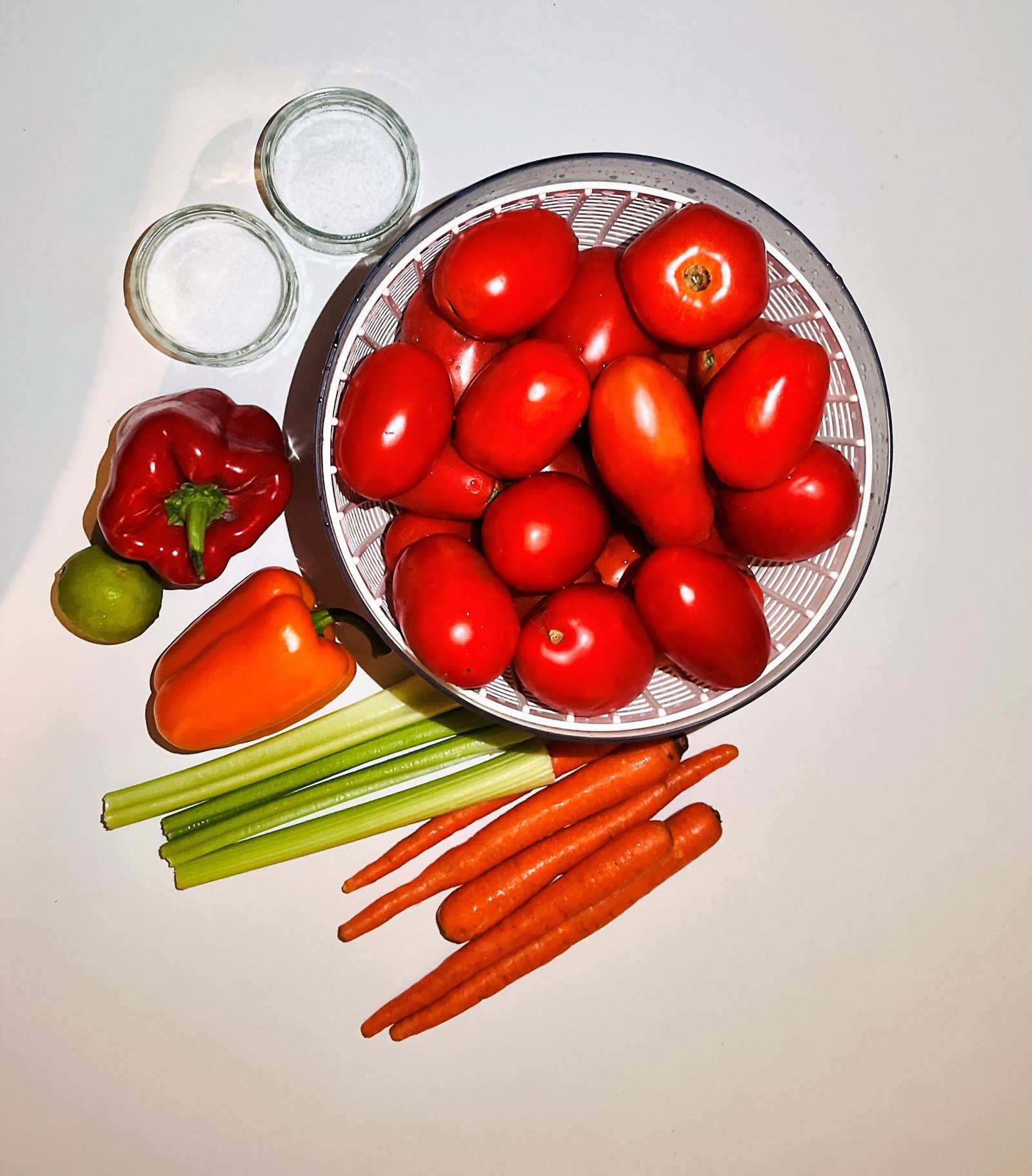
Easy Tomato Vegetable Juice With A Touch Of Lime
Forget store-bought V8 and tomato juices! Make your own tomato vegetable juice instead! Our tomato juice recipe gives you a full control over the ingredients. It allows you to cater… read more
-
Homemade Spicy Tomato Juice Canning Recipe
Canning spicy tomato juice is easy with this simple canning recipe. No lemon juice or artificial preservatives needed! Our spicy tomato juice canning recipe is virtually foolproof, even if you’re… read more
-
Homemade Tomato Juice Canning Recipe That Uses Only Three Ingredients
Are you searching for a homemade tomato juice canning recipe that skips artificial preservatives and lemon juice? Look no further! With only three ingredients – tomatoes, sugar, and salt, this… read more

Leave a Reply