
About Us
The high cost of living shouldn’t cost you your food security. Grocery prices climb. Supply chains wobble. And somewhere between shrinkflation and sell-by dates, families are quietly losing ground on one of the most basic things in life: eating well.
At Canned Experience, we believe food preservation is the most practical answer to that problem.
Not as a trend. Not as a hobby. But as a system – one that helps your household spend less time and money, waste less food, and eat well at home, every day of the week.
We also believe that traditional preservation techniques – the methods your grandmother used, the recipes passed down through generations – deserve more than dismissal. Where modern food-safety guidance and traditional practice diverge, we don’t pretend the divergence isn’t there. We name it, explain what’s known and unknown about each method, and respect your right to make informed choices for your own kitchen.
Whether you follow USDA-tested recipes to the letter or preserve the way your family has for generations, you belong here.
How We Think
Every technique we teach or recipe we publish – whether that be canning your own pickles, rendering cooking fats or fermenting vegetables – gets evaluated through three questions before we publish it:
1️⃣Is it worth making at home?
Store-bought is sometimes cheaper. But often, cheaper doesn’t mean better. That $3 jar of jam is mostly corn syrup and artificial colour. That cranberry sauce is a gelatinous blob of mystery ingredients. That “tomato sauce” is water, paste, and sugar. When you make it at home, you control exactly what goes in. The cost comparison isn’t always jar vs. jar – it’s real food vs. what the grocery industry passes off as food.
2️⃣Is it safe, and do you understand why it’s safe?
We don’t just give you processing times. We explain the logic behind these so you can make your own decisions, not just follow instructions on faith. For a heritage method, we’re explicit about what tradition has taught us and what laboratory testing has not.
3️⃣Can a real family actually do this?
A technique that requires six hours and specialized equipment on a Tuesday night isn’t a solution. It’s a fantasy. We design our recipe steps for busy kitchens , and we tell you up front when a recipe earns its complexity and when it doesn’t.
How We Are Different
Olga is a retired General Practitioner. She trained and practiced medicine in Ukraine for many years, before moving and retiring in Canada. Her medical background informs how the household thinks about food – paying attention to evidence, paying attention to what’s actually known versus assumed, treating safety as a topic rather than a slogan. It does not make her, or the site, a clinical food-safety authority. For specific safety decisions about your specific kitchen, the canonical authorities (NCHFP, USDA, Bernardin, So Easy to Preserve, your local extension service) are the operative sources.
When it comes to traditional methods like open kettle canning, methods USDA and NCHFP no longer endorse, but that many families still practice, we don’t pretend they don’t exist. And we don’t shame anyone for using them.
We discuss open kettle canning on this site as a traditional method with explicit safety considerations because some readers will use it regardless. For the reason of harm prevention, we have chosen to support those readers with honest information rather than silence. The laboratory-validated alternative is water-bath or pressure canning at NCHFP-tested times and pressures.
This isn’t about replacing traditional methods with USDA-tested ones. It’s about giving you the scientific context to practice any method with a clear understanding of what’s known, what isn’t, and where the line between them sits – whether that’s USDA-approved water bath canning or a family pickle recipe that’s older than the USDA itself.
You won’t find fear-mongering here. You’ll find recipes, science, and a kitchen that takes both heritage and evidence seriously.
Heritage
This isn’t theoretical for us. Both of us gew up in Ukraine, where preserving food wasn’t a lifestyle choice. It was how families survived the winter. Every August, our mothers’ kitchens became a canning operation. No fancy gadgets. No USDA pamphlets. Just generations of knowledge, and jars that lasted for years.
When the pandemic hit and store shelves went bare, those old skills suddenly felt urgent again.
Our first batch of pickles in 2020 reminded us why our mother always said they wanted to know exactly what went into their jars.
We’ve been building on that foundation ever since.
Beautiful, Wholesome Food That Doesn’t Cost You Arm and Leg
Preserved food should be beautiful, and it should taste genuinely good, not just “good for homemade,” but something you’d reach for even if you had other options. Some of the recipes we love most:
- Pink Grapefruit Jam with Brandy and Juniper
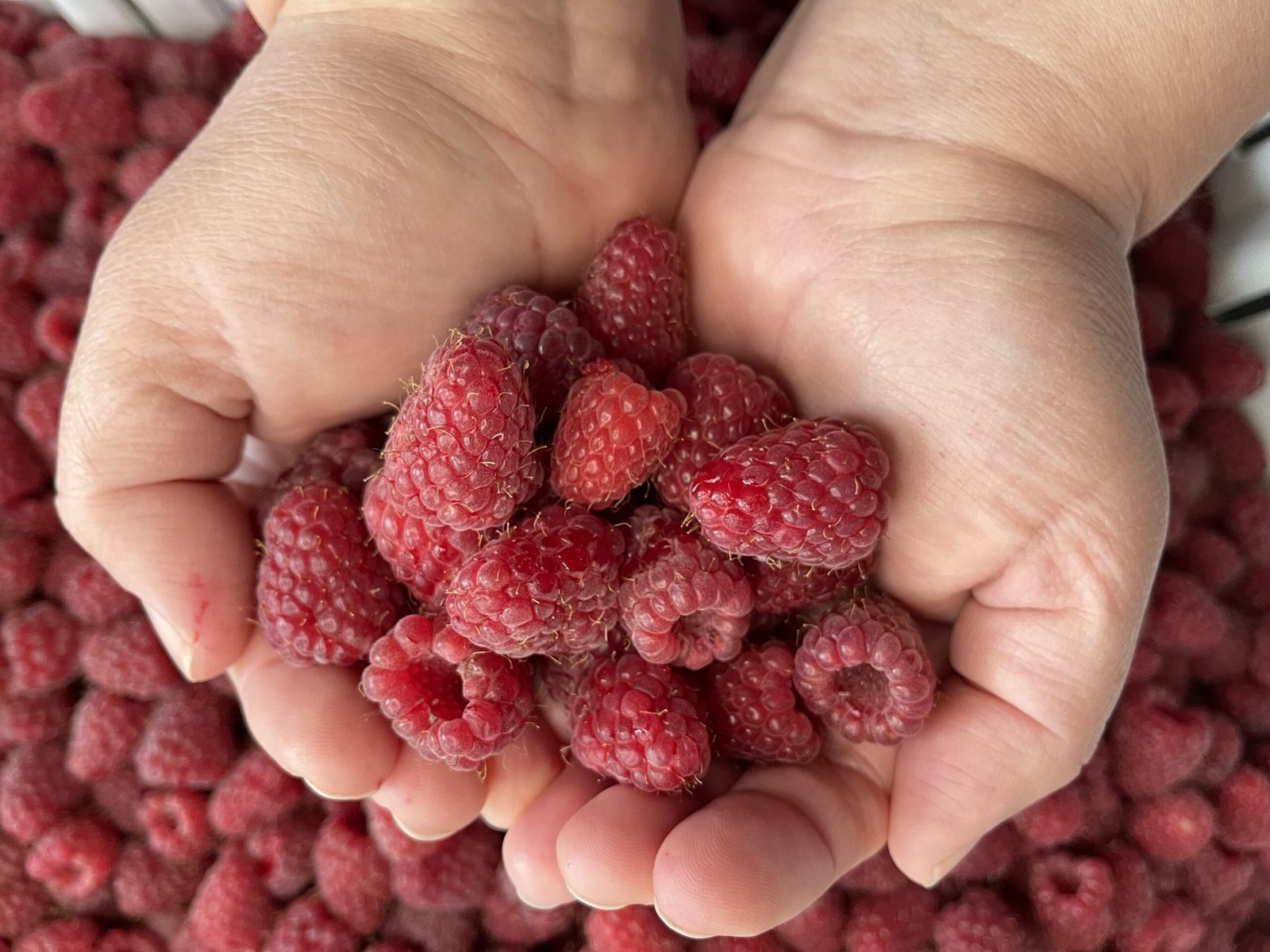
- Raspberry Wild Rose Petal Jam made specifically for cheese boards
- Belgian Pear Syrup from a centuries-old tradition
- Hungarian Pickles, a European classic of the 20th century
We make these preserves for our own pantry first, and for the friends and neighbours who have come to know what’s in season at our kitchen. We care as much about how things taste as what goes into the jar, and how it looks on your shelf.
How We Can Help
If you’re new, we’ll help you understand how to start your first canning or preserving project. If you’re ready to cook, our Recipes are searchable by ingredient. And if you’re unsure about a much-hyped kitchen tool, our reviews will help you decide whether it has a place in your kitchen.
Welcome to your own canned experience. Let’s start making good food.
With Love, Olga and Oksana